Hlane Royal National Park
"I was thirty meters from a rhino on foot and the loudest thing was my own breathing."
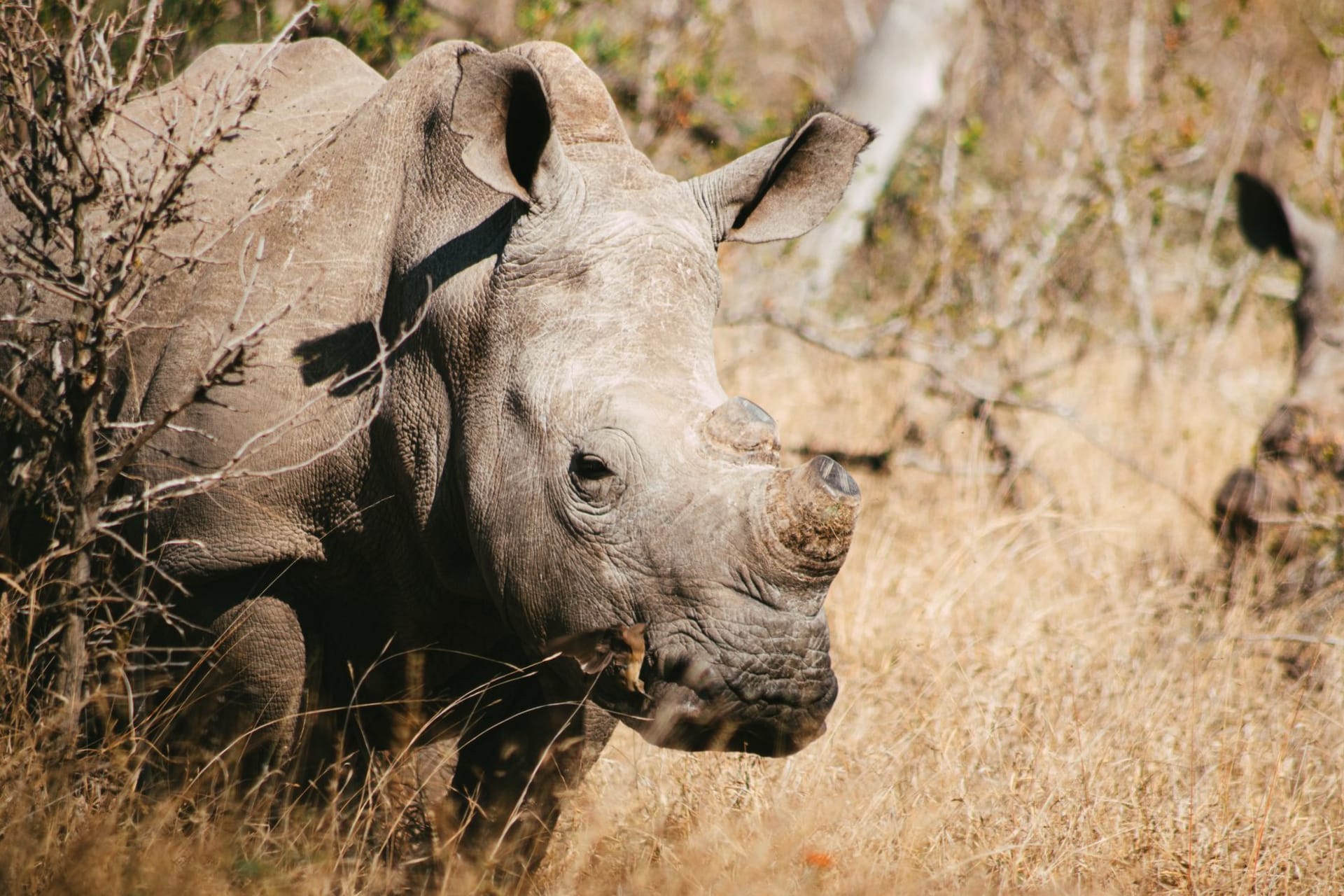
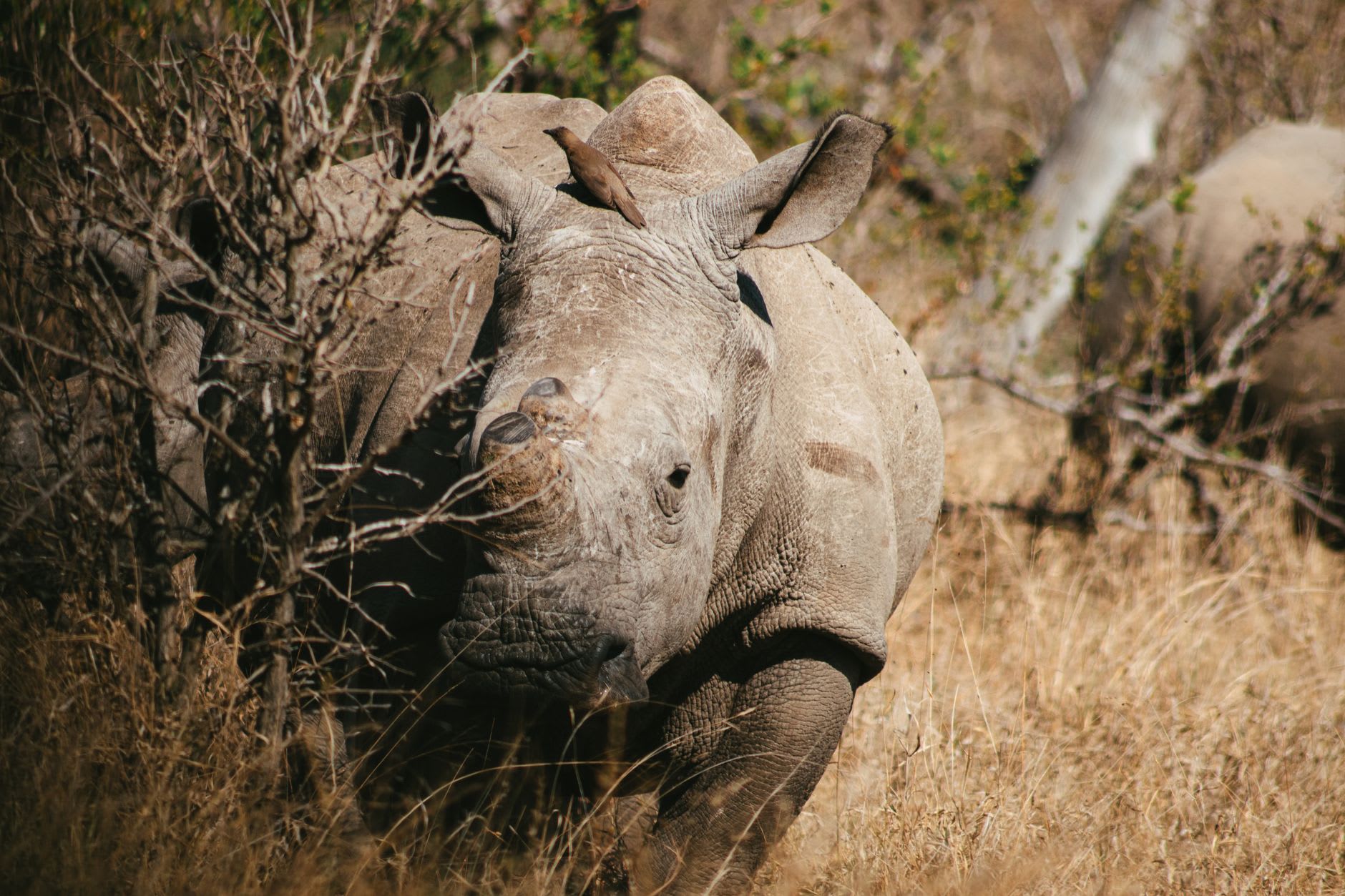
I walked into Hlane without a vehicle. That sentence still sounds unlikely to me — in most of southern Africa, the protocol around large wildlife is structured around glass and metal and a guide with a rifle in a steel roll bar. But Hlane operates on different logic, and the rhino were simply there: three of them, heavyset and prehistoric-looking in the late afternoon light, moving through the low mopane scrub with the unhurried authority of animals that have forgotten what it feels like to be afraid. The ranger with me spoke barely above a whisper. We stood still. Nothing happened except an enormous amount of being present.
Hlane is the largest protected area in Eswatini, and it sits in the Lowveld — the flat, hot, semi-arid eastern section of the country where the altitude drops and the vegetation goes dry and thorny. The drive from Mbabane takes you through the whole terrain shift in under two hours: cool Highveld pine plantations giving way to open savanna, the light flattening and going amber, the air acquiring a particular warmth that settles on your skin the moment you step out of the car. By the time you reach the park gates you are in a different Eswatini entirely.
The camp at Ndlovu — the area accessible on foot — is basic in the way that only enhances the experience. Rondavel huts, a communal braai area, no WiFi, no reception. In the evenings, elephants occasionally wander through, and the camp staff speak of this with the casual matter-of-factness that tells you how thoroughly the wildlife belongs here and how thoroughly the visitors do not. I ate pap with a nyama stew cooked over open coals while a hyena called from somewhere out in the dark, and felt a kind of alertness I rarely feel inside four walls.
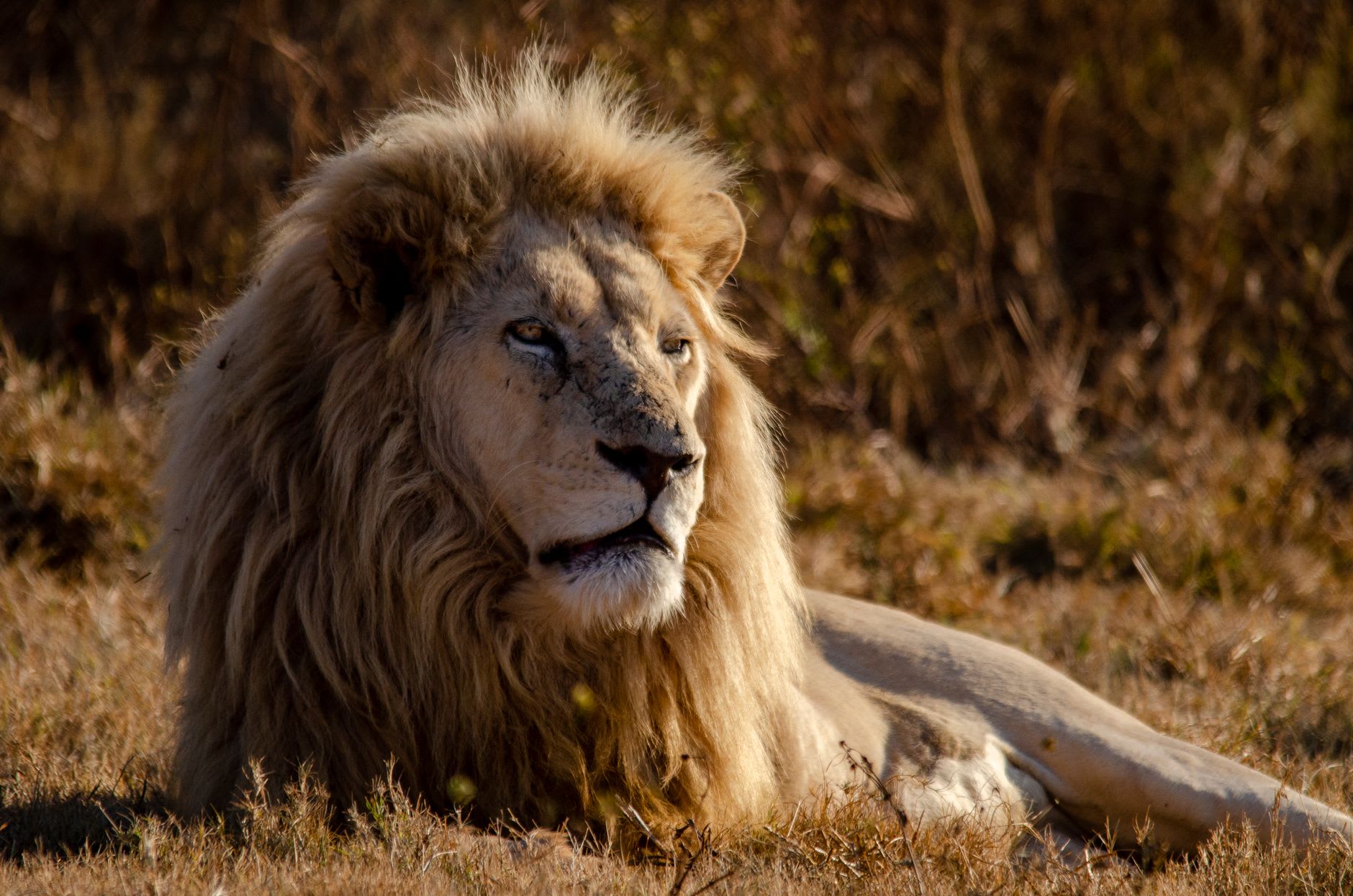
Lions are held in a separate fenced zone accessible only by vehicle, but even that section carries none of the production of the big Kruger-adjacent reserves to the west. You do not queue behind seventeen other 4x4s for a lion sighting here. You either find them or you don’t, and there is something honest in that.
The night sky inside the park is absurd. Hlane is far enough from any significant light source that the Milky Way shows up as a physical presence — not just visible but structural, a smear of actual texture across the darkness. I sat outside my rondavel until well past midnight on my first night and thought about how rarely I stay still long enough to let a sky be what it is.
When to go: June through August is the dry season ideal — cooler temperatures, animals concentrate around water sources, and vegetation is low enough to spot wildlife easily. Avoid the December–February rainy season if you want reliable sightings, though the park’s landscape turns dramatic and green.