
Tazumal
"I had Tazumal's pyramid almost entirely to myself on a Tuesday morning, which felt like both a gift and a small injustice."
El Salvador's most excavated Maya site, a stepped pyramid rising out of the town of Chalchuapa that most travelers on the Central American trail never think to visit.
Chalchuapa is not a town anyone puts on a Central American itinerary, which is exactly why I liked arriving there. The bus dropped me a few blocks from the plaza, and I walked past hardware stores and a busy market to a modest gate that, without much fanfare, opens onto Tazumal — the most extensively excavated archaeological site in the whole country, and one I had, for a solid forty minutes on a Tuesday morning, entirely to myself except for a groundskeeper trimming grass near the base of the main structure.
A pyramid that outlasted an empire
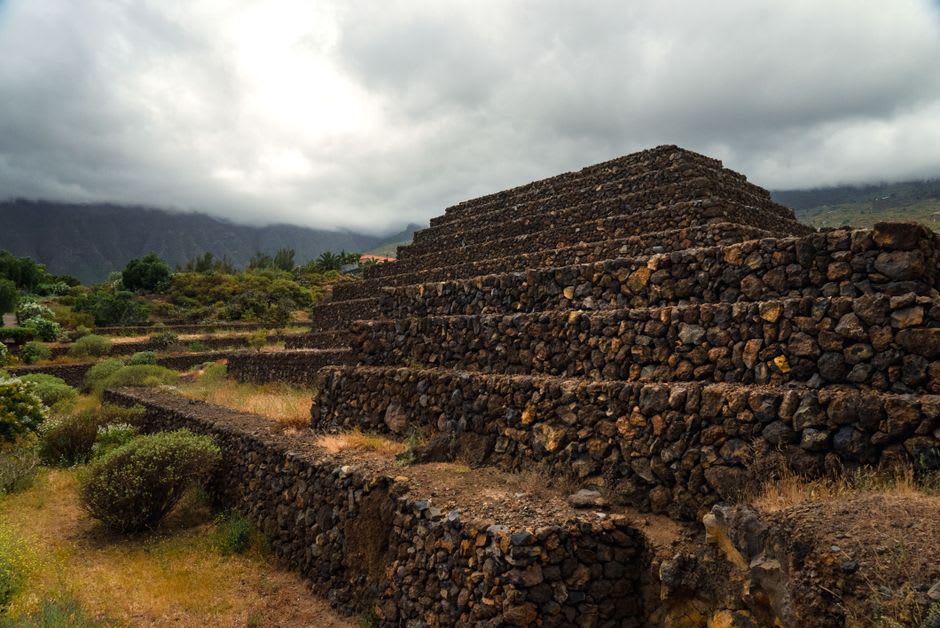
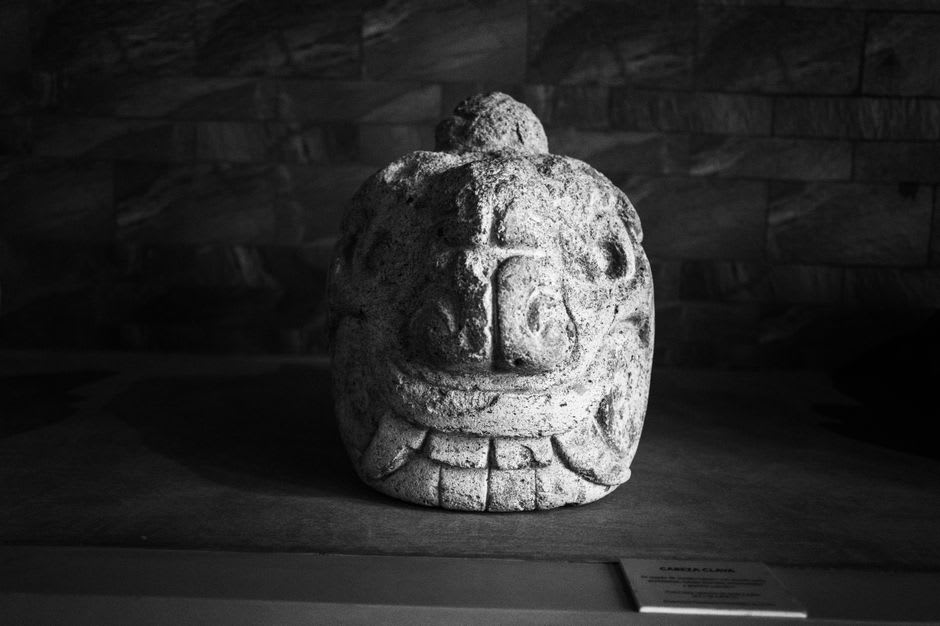
The main structure at Tazumal is a stepped pyramid built up in layers over roughly a thousand years of continuous occupation, beginning in the Classic period and continuing, with additions and modifications, through the Postclassic era right up until the Spanish arrived. Standing at its base, I found the layering more affecting than the height — you’re not looking at one building so much as a stack of decisions made by different generations, each one building over and reinforcing what came before rather than starting fresh. A small on-site museum nearby holds ceramics, jade ornaments, and a carved stone disc believed to relate to the Mesoamerican ballgame, along with information suggesting the site had trade and cultural links stretching as far as central Mexico, evidence that this quiet corner of El Salvador was once genuinely connected to the wider Maya and broader Mesoamerican world rather than being some isolated backwater.
Overlooked, and better for it
What struck me most, walking the perimeter of the site, was how comparatively unknown Tazumal is next to sites like Tikal or Copán just across the borders in Guatemala and Honduras. Partly that’s scale — Tazumal is a fraction of the size — but partly it’s just an accident of tourism routing, the way most travelers cross El Salvador quickly between those two more famous countries and never learn there’s a significant Maya site here at all. The groundskeeper, once he’d finished his section of grass, walked over and pointed out details I would have missed: a drainage channel built into the plaza floor, a small altar structure off to one side that predates the main pyramid by centuries. He clearly knew the site intimately and just as clearly didn’t get many chances to share that knowledge with visitors. I got the sense my questions were as much a novelty to him as the ruins were to me.
Chalchuapa itself is worth a slow walk after the site — a working town going about its business around a plaza and church, with no particular effort made toward tourists, which after the ruins felt like the right way to close out the visit.
When to go: Weekday mornings for the fewest visitors and the best light on the pyramid’s western face. The dry season from November to April keeps the site’s paths dry and easy to walk.