
Nahuizalco
"The furniture piled outside the workshops in Nahuizalco is not decoration — it is the economy and the memory of a people."
The first thing you notice driving into Nahuizalco is the furniture. Not inside shops — on the street, piled under awnings, propped against walls, stacked five chairs high beside workshop doorways: wicker rocking chairs, rattan settees, tule reed baskets, lampshades woven from palm fronds, all of it made here, in this town, by hands trained in methods passed down through Pipil families for generations. The scale of it is almost comic until you understand what you are looking at. Nahuizalco has been making furniture since before the Spanish arrived, and the craft is not a tourist attraction — it is the thing the town exists to do.
I stopped at a workshop midmorning where a man in his sixties was weaving the seat of a rocking chair without looking at his hands. The material was tule — a bulrush reed harvested from the wetlands near the coast — and the weaving went fast, a practiced rhythm I watched for longer than I intended. His wife was working beside him on a basket, their grandson watching from a low stool. When I asked about the work he spoke about the reeds with the precision of someone discussing a material they have lived with all their lives: where they grow best, what season to harvest, how long to dry them, what parts of the plant make which kinds of objects. I bought a small basket because it seemed wrong to watch someone work that carefully and leave empty-handed.
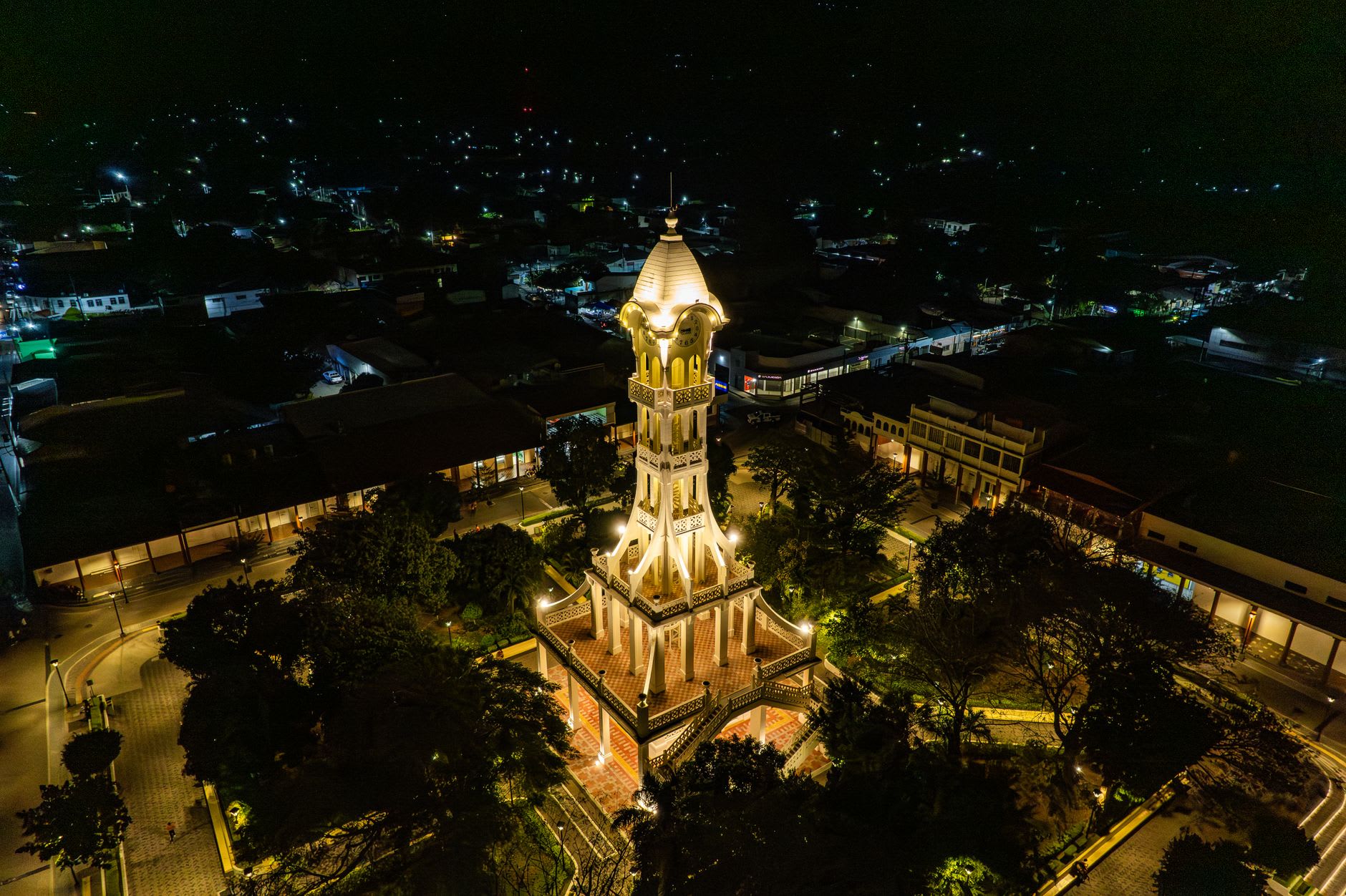
Nahuizalco is a Pipil town — the Pipil are one of El Salvador’s indigenous groups, descended from Nahua-speaking peoples who migrated from central Mexico — and the cultural weight of that identity is present even if it is not always loudly announced. The 1932 massacre known as La Matanza killed thousands of Pipil and other indigenous people across western El Salvador in a single month, and the trauma of that event shaped everything that followed: the suppression of indigenous language, dress, and public ritual for decades. That Nahuizalco has maintained its craft traditions and its indigenous identity through all of that carries a meaning that transcends furniture.
The town has a night market — the Mercado Nocturno — that operates on weekends, and it is one of the quieter, more genuinely local market experiences in a region full of weekend food events. Vendors set up by candlelight and lantern along the streets near the church, selling traditional foods: tamales, sopa de res, pupusas, and a corn-based fermented drink called chicha that I drank cautiously and then less cautiously.
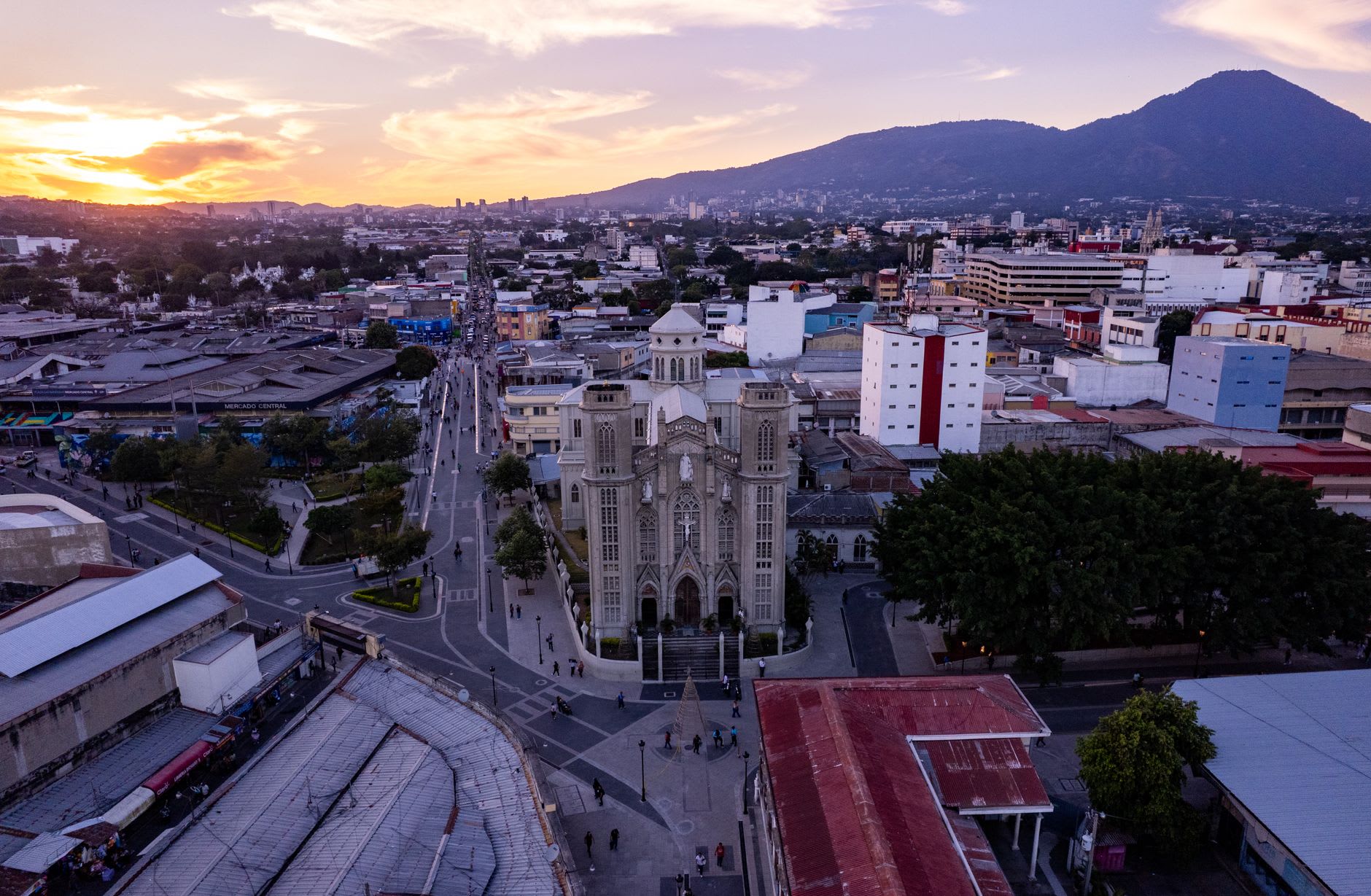
The church at the center of town — baroque, painted in pale yellow — is flanked by a small plaza where indigenous women in traditional dress sell produce on market days. This is not performance or costume. This is how the market works here, as it has worked for as long as anyone in the town can remember. The Saturday market day is the most vivid, but the workshops are open daily, and the best conversations happen on a quiet weekday morning when there is no one else around.
When to go: Any day of the week for the workshops, which operate daily. Weekends for the night market. Saturday for the full commercial and social energy of the market plaza. The Fiesta Patronal in June animates the entire town for several days.