
Joya de Cerén
"The sleeping mats at Joya de Cerén are still rolled out. The people left mid-meal."
What strikes you first at Joya de Cerén is not the ruins — it is the absence. The village was evacuated so suddenly, under ash fall from the Loma Caldera eruption around 590 CE, that people left mid-meal. The archaeologists found pots on the fire with food still in them. Sleeping mats rolled out and ready. Agricultural tools leaned against walls. A woman’s jade pendant hanging where she had taken it off. The eruption entombed the entire village under several meters of ash in a matter of hours, and when excavations began in 1976, the preservation was so complete — ash acting as a cast around organic materials, adobe walls intact — that Joya de Cerén became immediately significant as a window into ordinary Maya domestic life that almost no other site in Mesoamerica provides. Most Maya archaeology shows us temples and elite spaces. Joya de Cerén shows us what the farmers ate.
I arrived on a quiet morning with a single guide and half a dozen other visitors, and we walked the excavated area in almost complete silence, which felt correct. The site is largely covered by protective metal roofing to shield the structures from rain, so you walk through a series of covered outdoor galleries where the exposed walls and floor surfaces are roped off but close enough to touch if you leaned forward. The guide — a young man from a nearby village who moved through the material with real knowledge and evident affection — pointed out details I would have missed: the impression left in hardened ash where a metate had been removed by a family who grabbed it as they fled; the preserved milpa field beside the main structures, with rows of maize and manioc still visible under ash as shadows in the compacted soil.
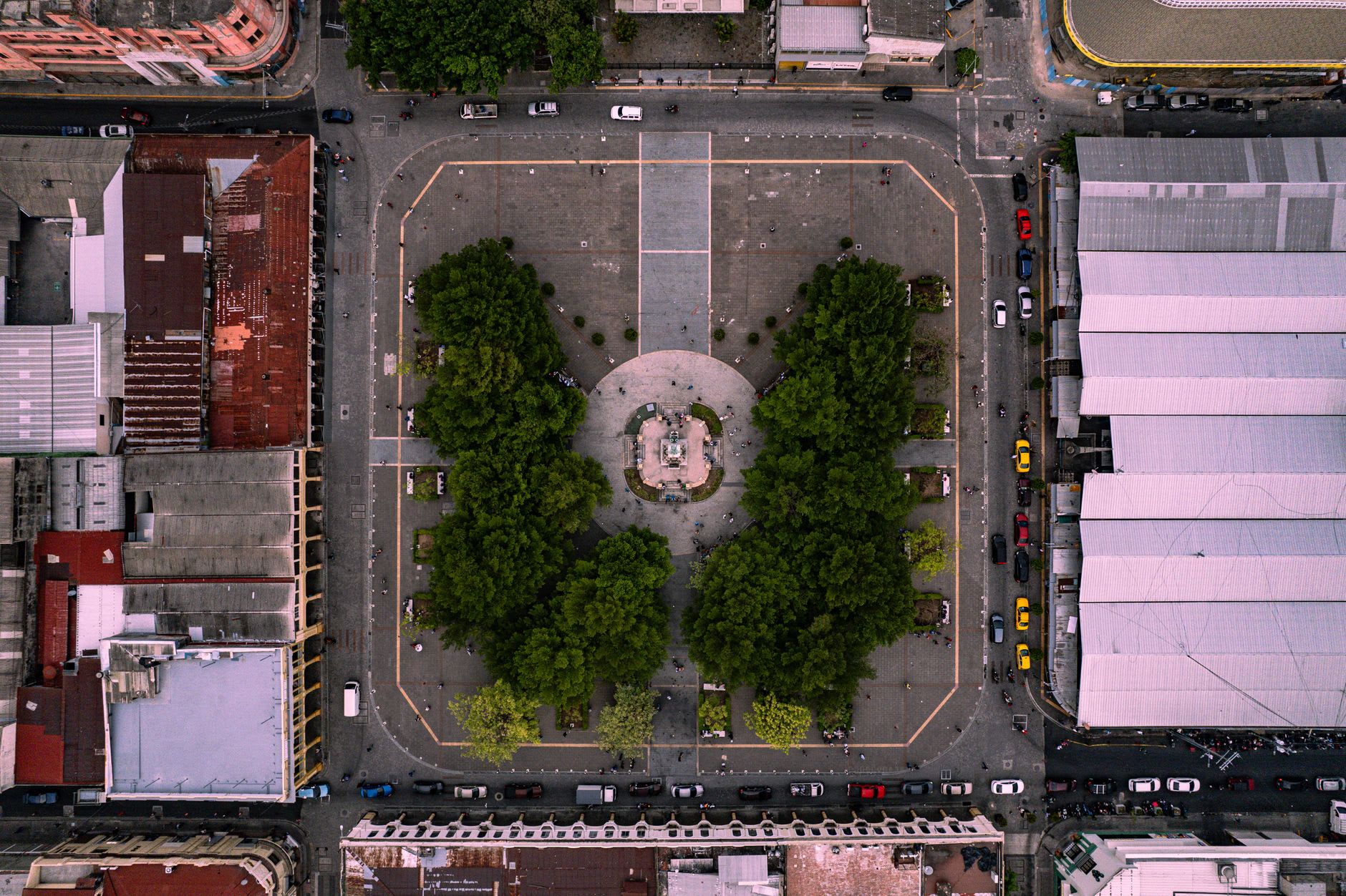
The small museum at the entrance is excellent — unusually so for a site of this kind in Central America. The models and explanatory panels are clear without being condescending, and the collection of objects excavated from the site includes ceramics, obsidian tools, and organic materials preserved by the ash in a way that makes the people who left them feel surprisingly present. A jade bead. A painted gourd bowl. A polished pyrite mirror. The things people kept near them when the mountain started to shake.
What Joya de Cerén makes you feel, if you let it, is not awe at ancient civilization in the usual pyramid-gazing sense. It is something smaller and more unsettling: recognition. The sleeping mats, the cookfires, the carefully tended garden plots — these are not mysterious. They are completely legible across fourteen centuries.
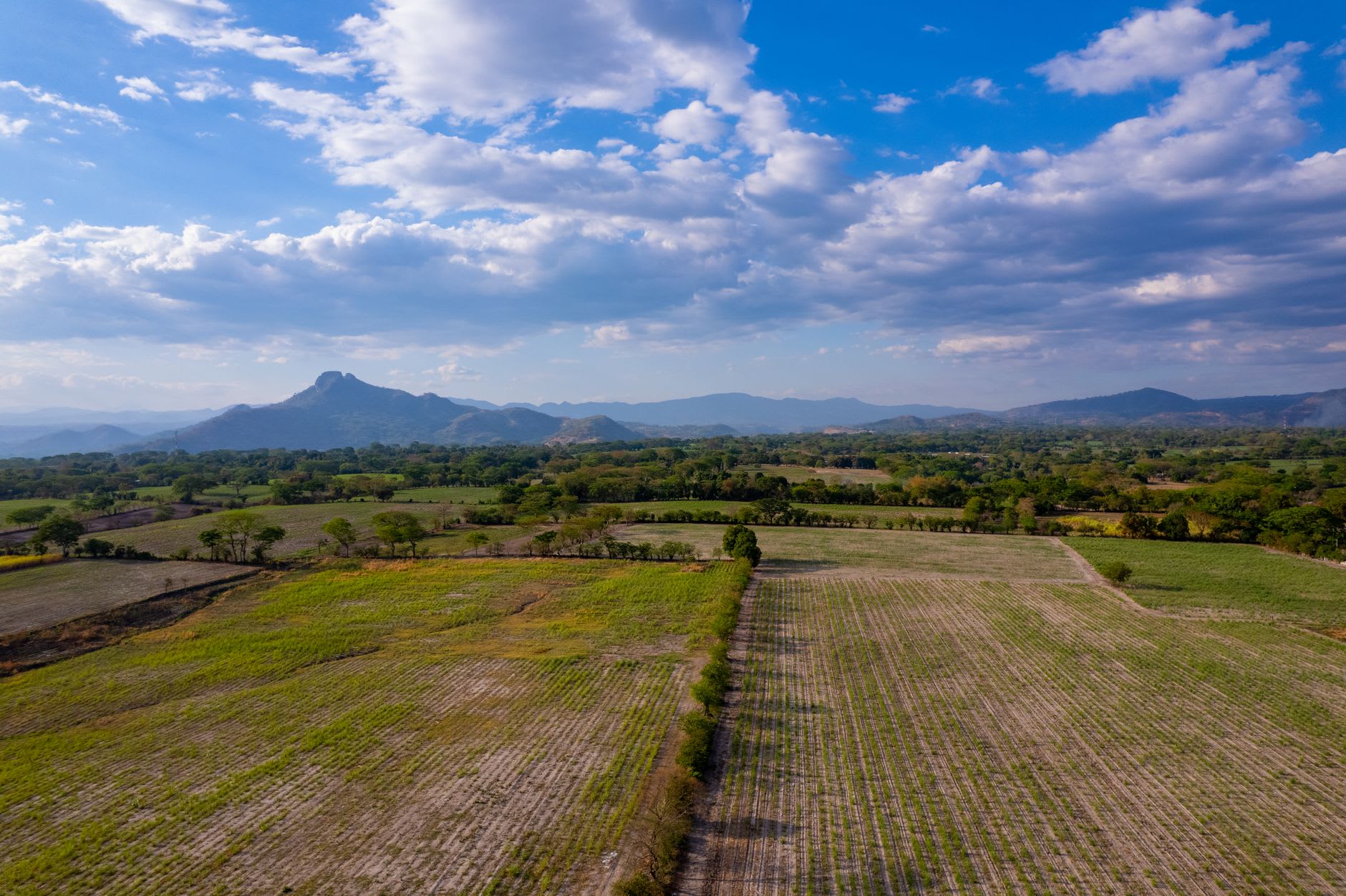
The site is a UNESCO World Heritage designation and is managed carefully, though the infrastructure remains modest. Plan two to three hours. The nearby site of San Andrés — a Maya ceremonial center a few kilometers down the road — is easily combined into a half-day. The contrast between the two sites is instructive: San Andrés shows the hierarchical and monumental; Joya de Cerén shows the intimate and daily. You need both to understand what was here.
When to go: Year-round, though November through April is more comfortable in the heat. Go early in the morning before the temperature builds under the protective roofing. A guided visit is strongly recommended — the site is difficult to read without someone pointing out what you are actually looking at.