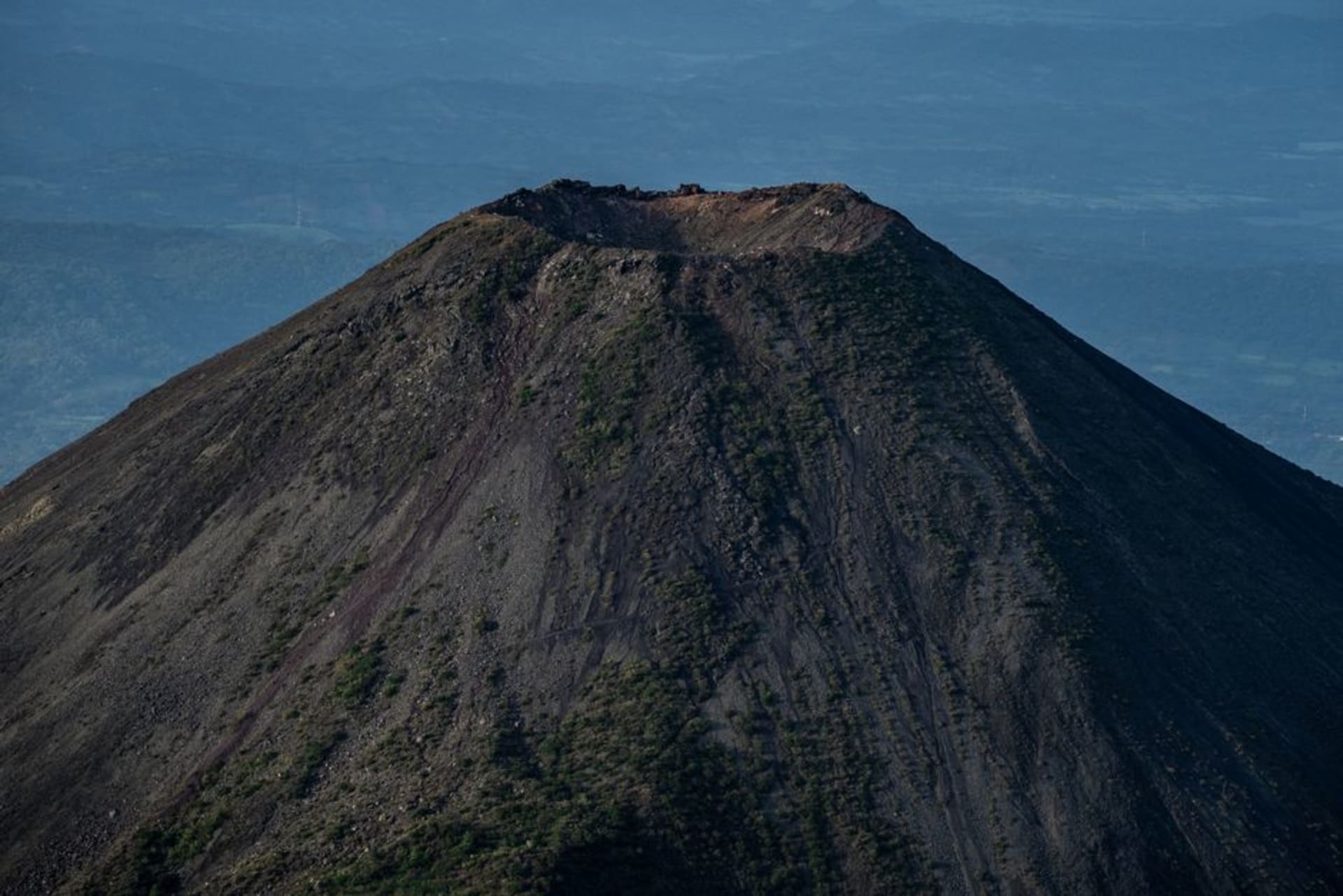
Izalco Volcano
"Ships used to navigate by this mountain's glow. Standing beneath it, dead quiet, I found that hard to picture and impossible to forget."
A perfect black cone once so relentlessly active that sailors called it the Lighthouse of the Pacific, now dormant and strangely still beside its noisier neighbors.
The viewpoint at Cerro Verde gives you Izalco without any effort at all — no hike required, just a short walk from the parking area to a railing, and suddenly there it is: a nearly perfect cone of black volcanic rock, symmetrical enough that it looks almost drawn rather than grown, rising out of a saddle between the two older, gentler volcanoes on either side. I’d read about it before arriving and still wasn’t prepared for how young and sharp-edged it looks compared to its neighbors, all crisp lines and bare rock where Santa Ana and Cerro Verde have softened into forest over millennia.
The Lighthouse of the Pacific
That youthfulness isn’t an illusion. Izalco was born in 1770 and spent the better part of two centuries in almost continuous eruption, throwing up lava and ash with such regularity that ships navigating the Pacific coast used its glow at night as a literal fixed point on the horizon — sailors called it El Faro del Pacífico, the Lighthouse of the Pacific, and reportedly used the mountain’s fiery silhouette to help calculate their position offshore. A guide at the visitor center told me the eruptions were frequent enough at their peak, several a day for stretches in the early twentieth century, that hotels sprang up near Cerro Verde specifically so tourists could watch the light show from a safe distance after dinner. It’s a strange thing to imagine standing at the same railing today, in total silence, the mountain giving away nothing.
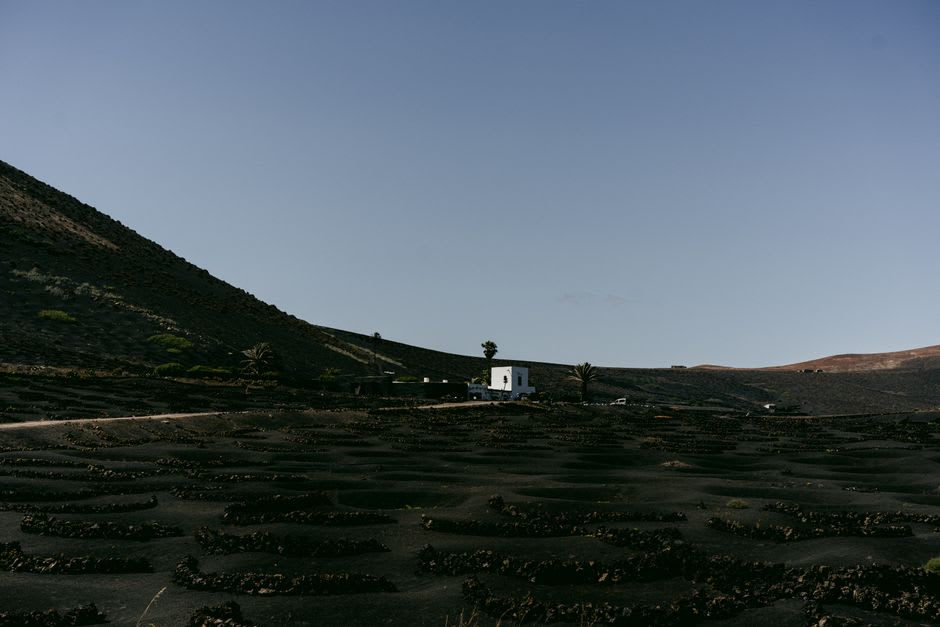
Silence where there used to be fire
Izalco’s activity dropped off sharply in the 1950s, not long after a hotel and radio tower were built specifically to capitalize on the spectacle, and it has been essentially dormant since 1966. There’s a particular irony to that timing that the guide clearly enjoyed pointing out — the infrastructure built to watch the mountain perform arrived just before it stopped. Today you can hike to the base and partway up the cone from the Cerro Verde ranger station, a hot, exposed trail across loose black scoria with almost no shade, and the silence at the top is total in a way that feels almost unnatural given the mountain’s history. I sat for a while near the summit trail, looking down at the pattern of old lava flows fanning out below, black rivers frozen mid-motion, and tried to picture it glowing red against a night sky. The rock under my hands was warm from the sun, nothing more.
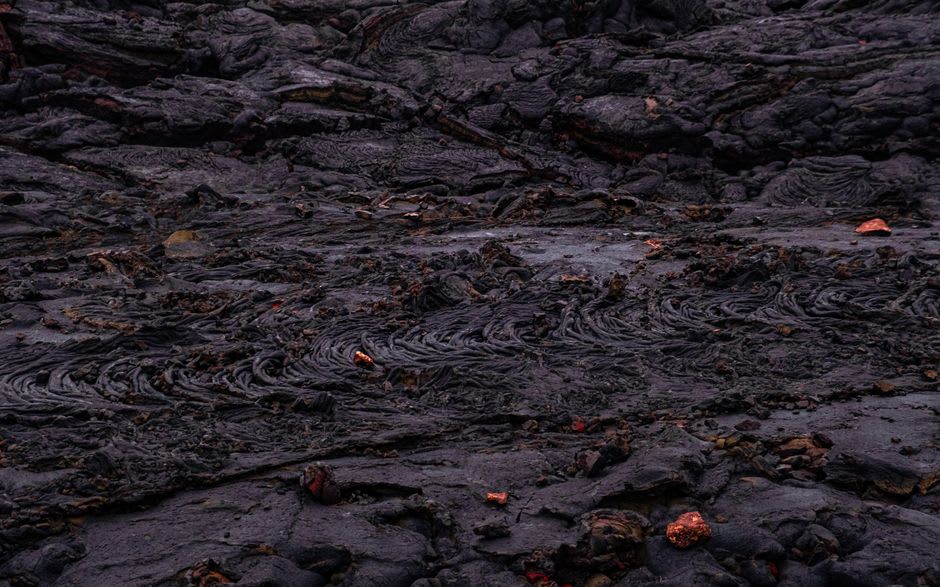
Whether or not you make the hike, the view of Izalco from the Cerro Verde overlook is worth the detour on its own — it’s one of those landscapes that photographs almost too well, the cone so clean and dark against the surrounding green that it looks staged.
When to go: Clear mornings, ideally in the dry season from November to April, before afternoon clouds build up around the peak. Combine it with the Santa Ana volcano hike, which departs from the same Cerro Verde ranger station.