
Les Eyzies-de-Tayac
"Inside Font-de-Gaume, the bison on the wall is seventeen thousand years old and it looks alive."
The ticket for Font-de-Gaume has to be booked months in advance. Not weeks — months. The cave holds original polychrome paintings of bison, mammoths, and horses rendered seventeen thousand years ago, and only a small number of visitors are admitted each day to protect the art. I booked six months ahead, almost forgot about the reservation, and then drove the five kilometers from Les Eyzies on a Tuesday morning in October following directions to what looked, from the road, like a limestone cliff with a padlocked metal door.
The guide was a woman who had been doing this for twenty years and moved through the cave with a particular economy — not rushing, not lingering, but clearly pacing herself through something she had paced herself through thousands of times while somehow staying attentive to what was on the walls. She pointed her light at a bison rendered in brown ochre and black manganese, its shoulder curved against a natural bulge in the limestone that gave the animal volume, depth, the illusion of mass. The Cro-Magnon artist had read the rock and painted into it, using the cave’s geology as contour. I stood close enough to see individual brushstrokes in the ochre and tried to hold onto the reality of what I was looking at: not a reproduction, not a photograph, the actual thing, seventeen thousand years old, unrecovered and uncleaned, still there on the wall where someone left it when the climate was different and the valley below was tundra.
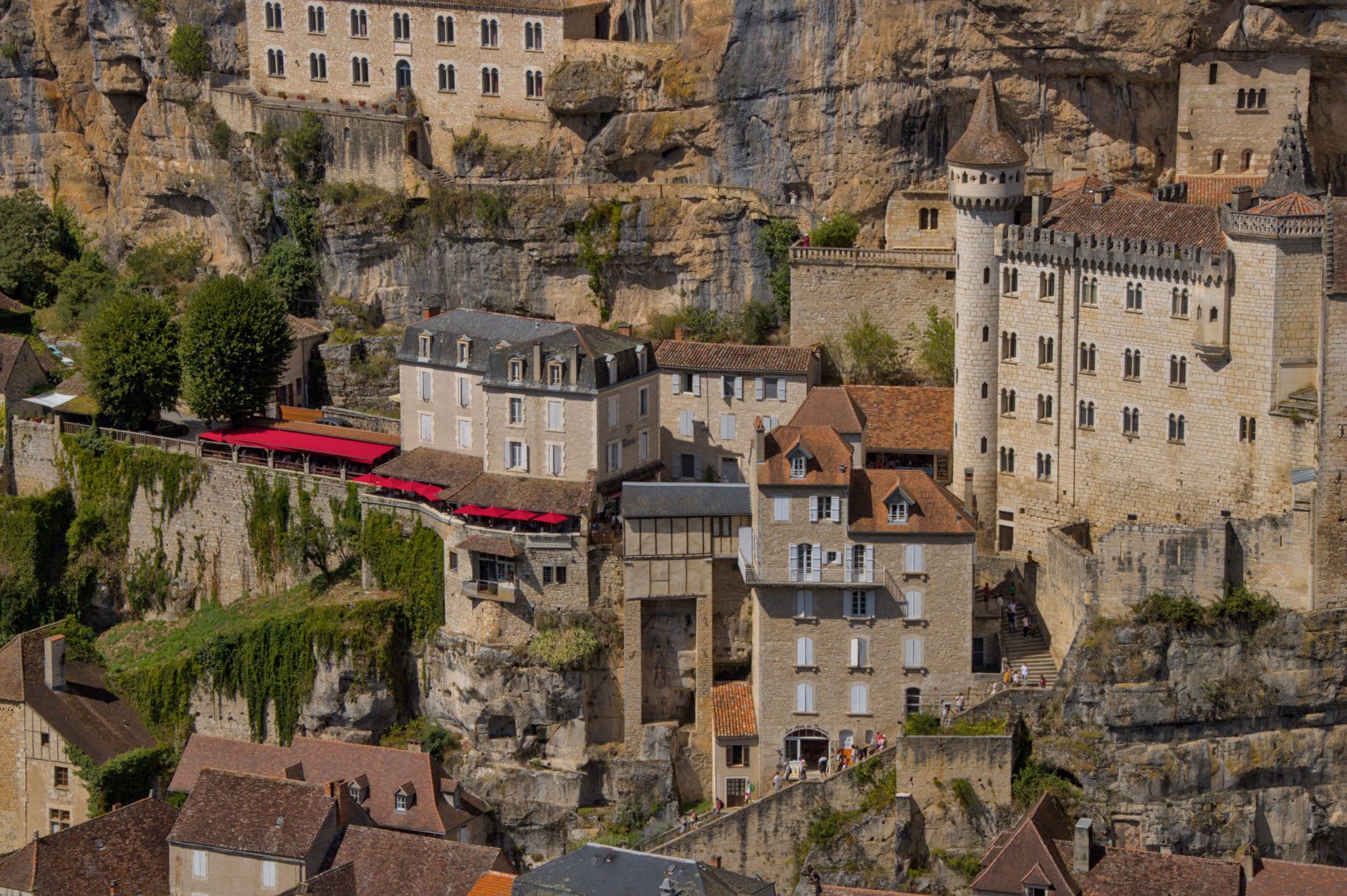
Les Eyzies itself is a small town with an outsized purpose. The National Museum of Prehistory sits inside a medieval castle built against the cliff, and the cliff above the museum still has Cro-Magnon rock shelters visible from the road. The museum collection runs from the oldest flint tools through carved antler and bone to the figurines and portable art of the Upper Paleolithic — the Vénus de Laussel reproduction, the carved birds, the horse-head reliefs. After Font-de-Gaume, the museum grounds you in the broader context of what that cave represents: not an isolated mystery but one node in a dense network of habitation that made the Vézère valley, for tens of thousands of years, one of the most occupied places on earth.
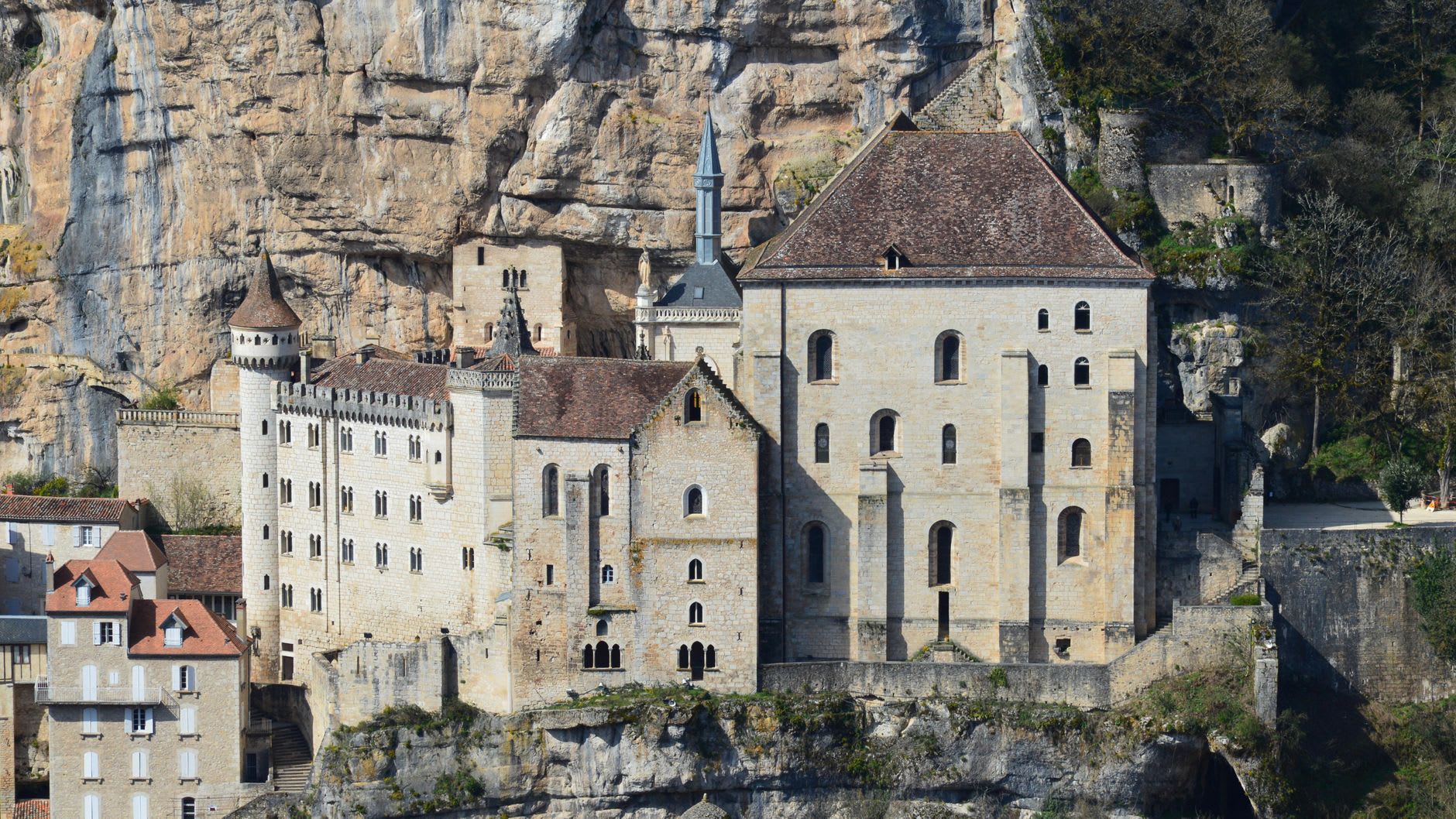
Walk the Vézère path downstream from the village and you pass the Abri du Cap Blanc, where life-size horse sculptures are carved directly into a frieze of limestone — not painted, but sculpted, relief carvings two meters wide at a height you can touch. The same valley, the same cliff, a different kind of art. The variety is part of what makes this small stretch of river so difficult to absorb in a single visit.
When to go: Book Font-de-Gaume tickets the moment they become available online, as far in advance as possible. The cave is closed Sundays and Tuesdays. Spring and autumn are ideal for the outdoor walking between sites. The Vézère valley in October, with the trees turning, rewards several days.