Europe
Denmark
"The country that made coziness a philosophy and cycling a form of governance."
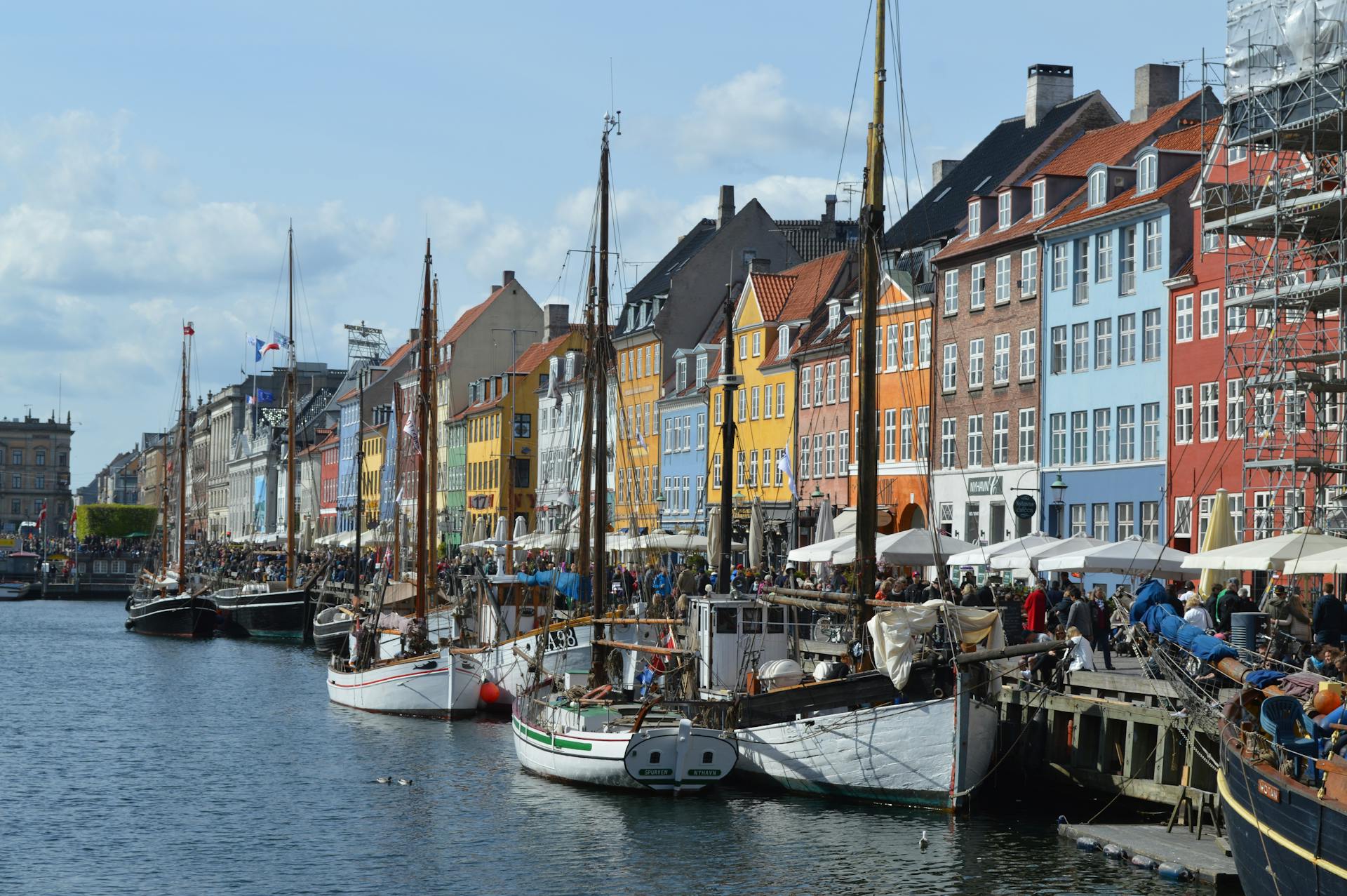
Denmark is the smallest of the Scandinavian countries and, in some ways, the most fully realized. The concept of hygge — that untranslatable Danish word for warmth, intimacy, candlelight, the pleasure of being comfortable together — is not a marketing invention. It is visible in everything: the way restaurants light their rooms, the way homes are furnished, the way even a Tuesday evening dinner is treated as an occasion worth caring about. Denmark is a country that has thought carefully about what makes daily life good and then built infrastructure around the answer.
Copenhagen is the obvious draw, and it delivers with a confidence that has made it one of Europe’s essential cities. The cycling culture is not a novelty but a transit system — more bikes than cars, lanes wider than roads in some neighborhoods, a pace of movement that makes the city feel human in a way that most capitals have forgotten. Noma redefined what Nordic food could be, and its influence radiates through a restaurant scene that takes local ingredients with a seriousness that borders on devotion. But Copenhagen is also a harbor city — swim in the clean canals, eat smørrebrød at Torvehallerne, walk the Amager Strandpark at sunset. Beyond the capital, Bornholm is Denmark’s secret island in the Baltic — round medieval churches, smoked herring, art studios in half-timbered houses, and a pace that makes Copenhagen feel frantic. The west coast of Jutland offers dune-backed beaches and North Sea light that painters have chased for centuries.
When to go: May to September, with June and July the warmest and brightest. Danish summers are mild and long on daylight. December is dark but deeply hygge — Copenhagen’s Christmas markets and candlelit streets justify the cold.
What most guides get wrong: They treat Denmark as Copenhagen alone and miss the country’s quiet variety. Take the train to Aarhus, the second city, which has a food scene and art museum that punch above their weight. Ferry to Bornholm for three days. Rent a bike — everywhere, always. Denmark is flat, compact, and designed for exactly this kind of gentle, curious movement.
Explore
Places in Denmark
Aalborg
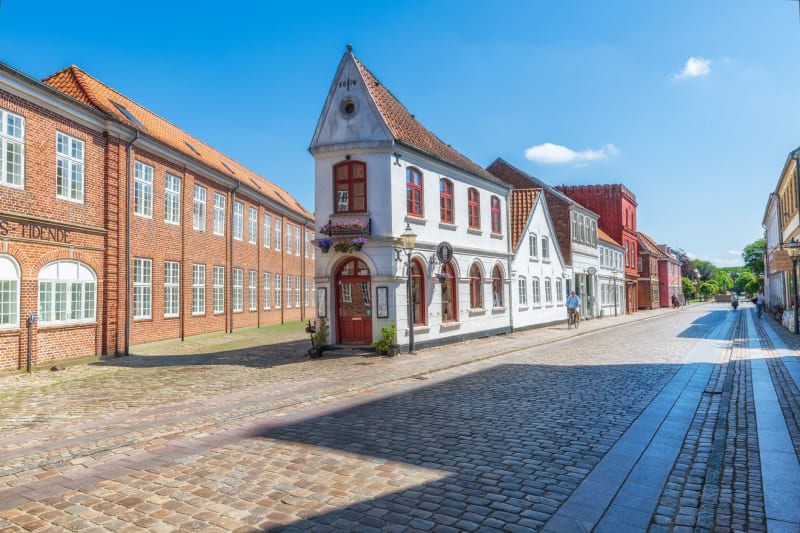
Denmark's overlooked northern city, where a reborn waterfront, a Renaissance merchant's mansion, and one of the country's wildest party streets sit side by side without apology.
Aarhus
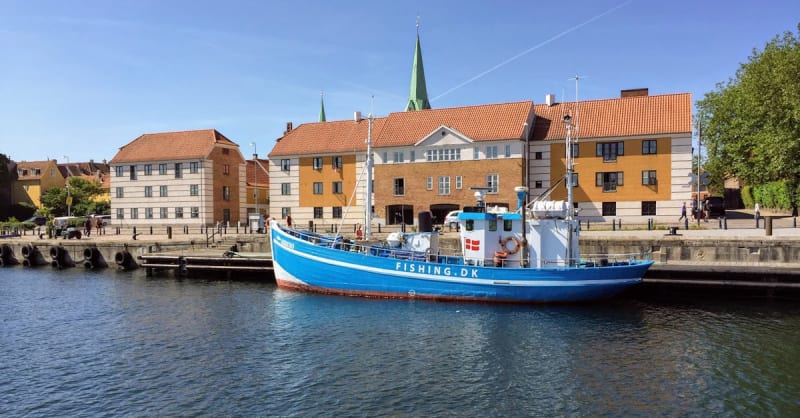
Denmark's second city with a Viking past, a world-class art museum, and a food scene that rivals the capital.

Bornholm
A Baltic island of round churches, smoked herring, and art studios where the light inspired a movement.
Copenhagen
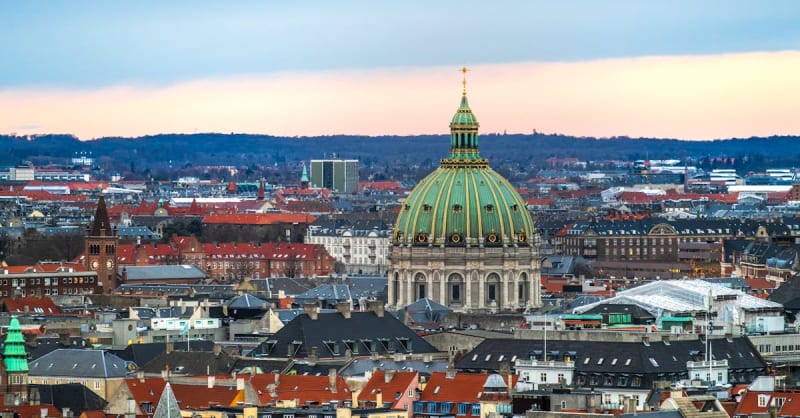
A cycling capital of canals, colourful harbours, and New Nordic cuisine that redefined how the world thinks about Scandinavian food.
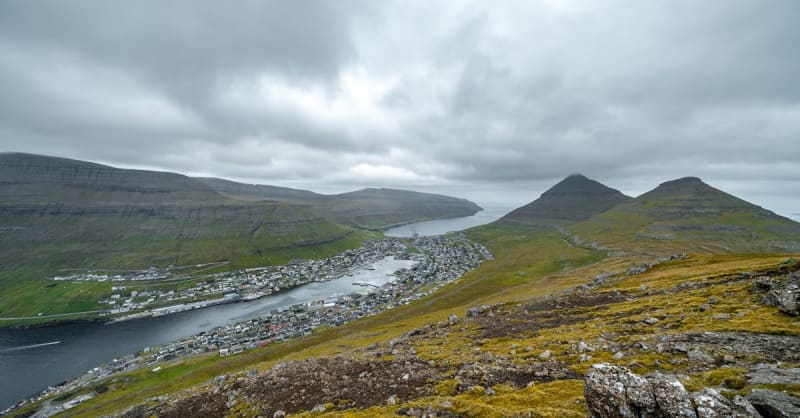
Faroe Islands
Eighteen volcanic islands in the North Atlantic where grass-roofed villages cling to cliffs above a sea that never rests.
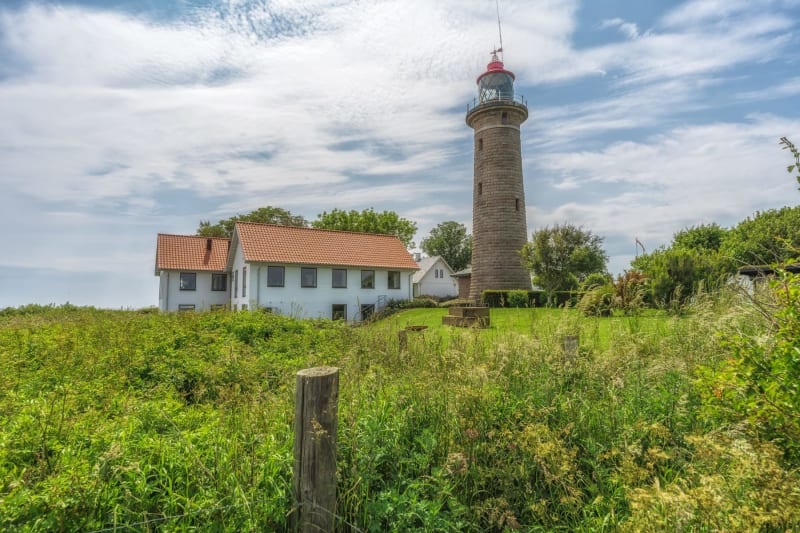
Bornholm Hammershus
Scandinavia's largest castle ruin on a granite cliff above the Baltic in northern Bornholm, visited mostly by cyclists.

Helsingor
Shakespeare's Elsinore, where Hamlet's castle guards the narrowest strait between Denmark and Sweden.
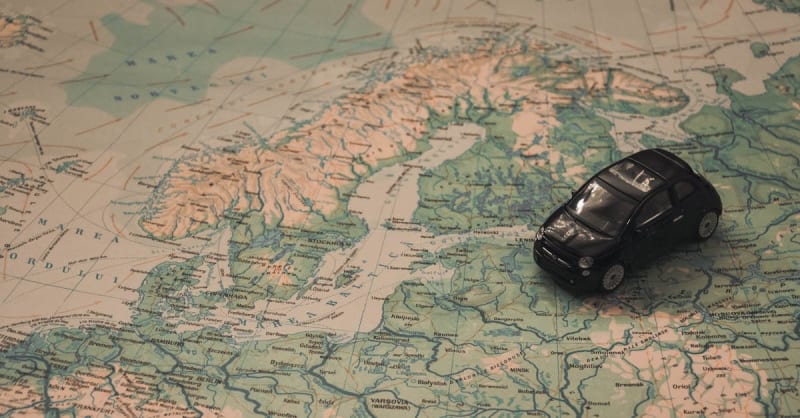
Legoland Billund
The original Legoland, built in the Danish town where the brick was born, and still the most charming of them all.
Odense
Hans Christian Andersen's hometown, a fairy-tale city of cobblestones, half-timbered houses, and a museum that reinvents storytelling.
Ribe
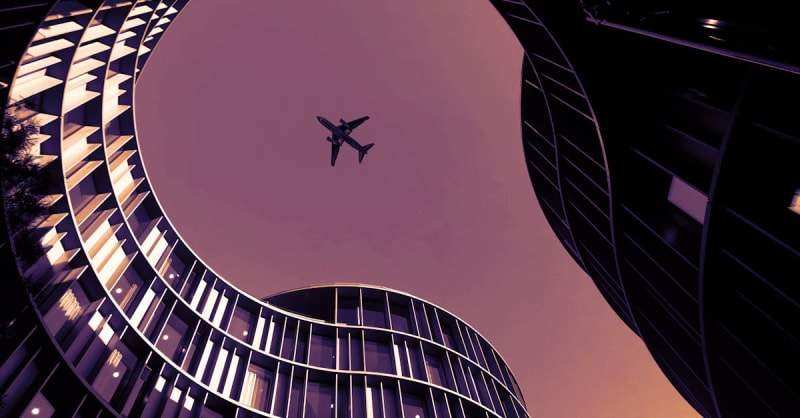
Denmark's oldest town, where a medieval centre of crooked houses and a towering cathedral have survived a thousand years of floods and time.
Roskilde
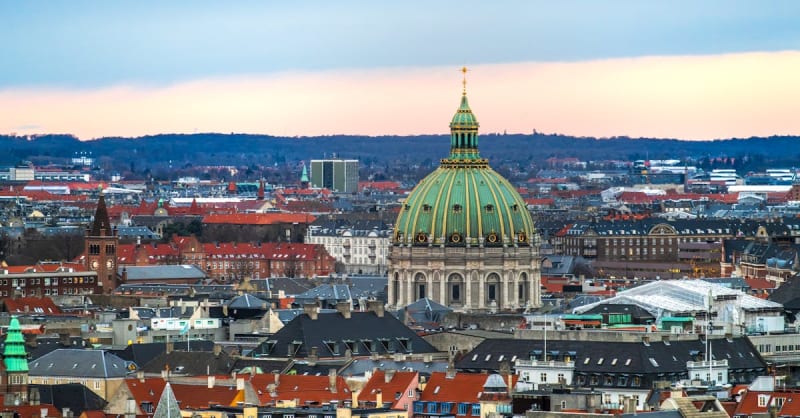
Denmark's ancient capital where Viking ships rest in a fjord-side museum and kings lie in a cathedral of brick and bone.
Skagen
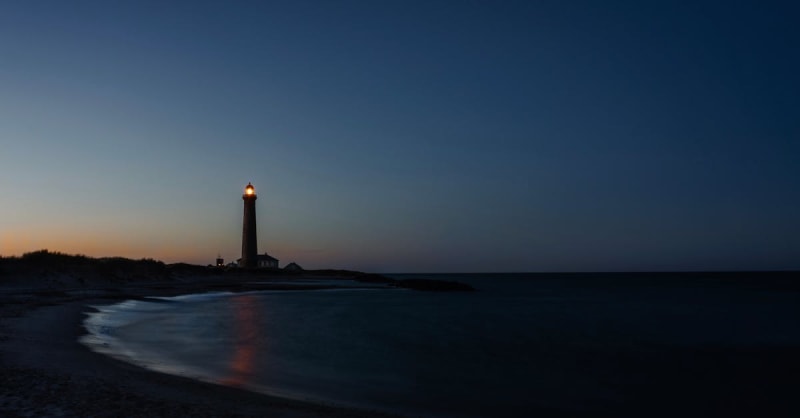
Denmark's northernmost town where two seas collide, the light turns golden, and the sand dunes swallow churches.