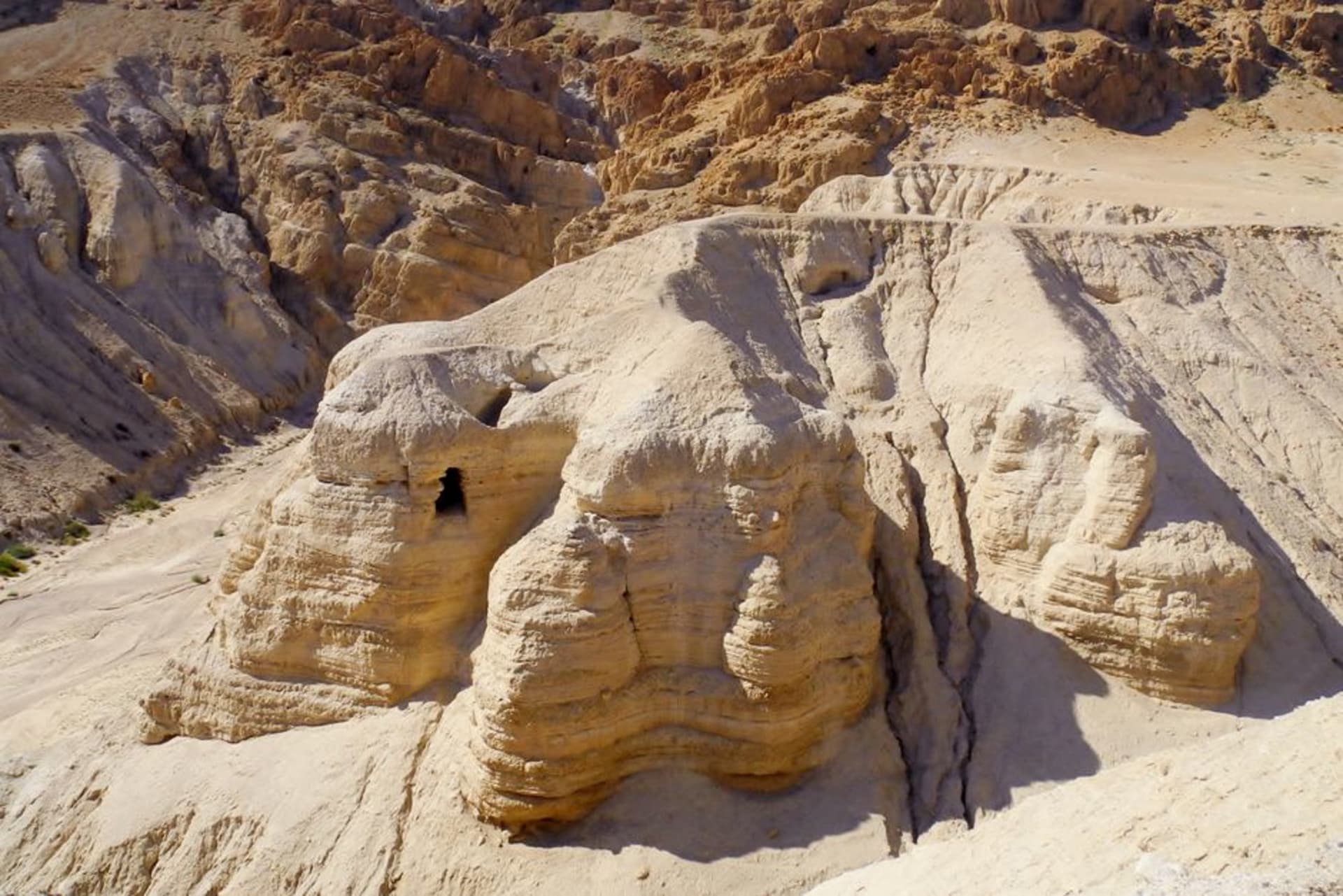
Metzoke Dragot
"The cliffs here don't slope toward the sea, they simply stop, and the water is a thousand meters below."
Sheer Judean Desert cliffs plunging straight into the Dead Sea, laced with canyon trails, Byzantine caves, and views that stop conversation.
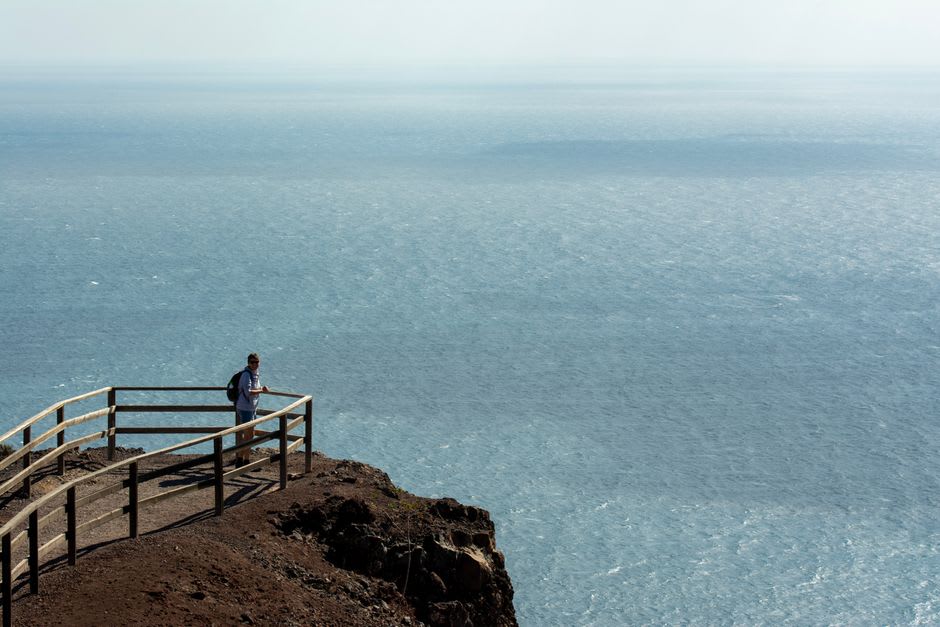
Metzoke Dragot is one of those places I found almost by accident, following a hiking recommendation from a ranger at Ein Gedi who said, almost dismissively, that if I had an extra day I should go look at the cliffs above Nahal Dragot. What I found was a stretch of Judean Desert escarpment where the plateau simply ends — no gradual descent, just a sudden, vertiginous drop of nearly a kilometer straight down to the Dead Sea shore. I stood at one of the overlooks with the wind pulling at my jacket and genuinely had to sit down for a minute; the scale of it is disorienting in a way that photos never quite capture, the sea a flat silver sheet impossibly far below, the Jordanian mountains rising beyond it in layers of haze.
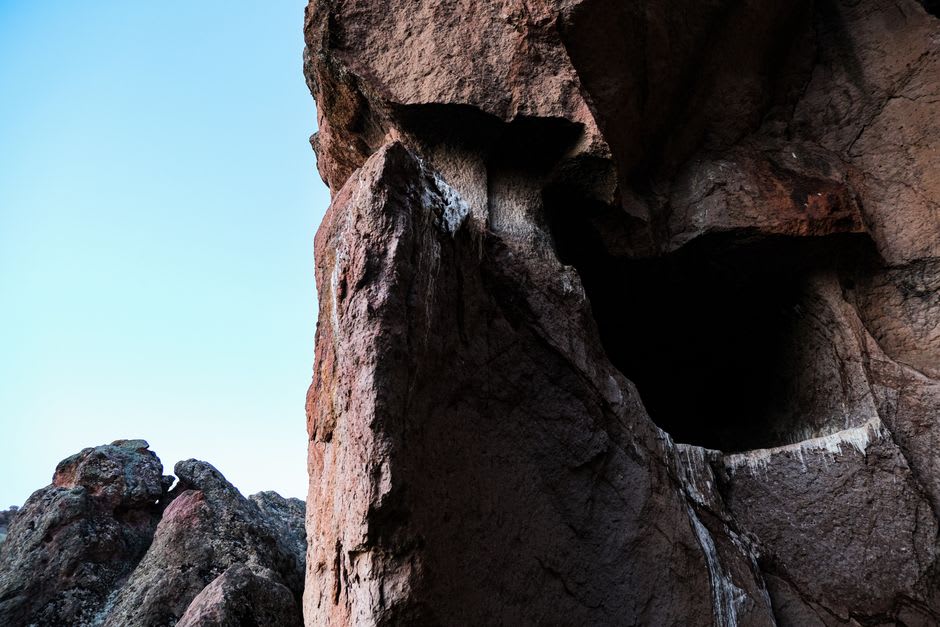
The canyon itself, Nahal Dragot, cuts down through the escarpment toward the sea and is laced with caves that Byzantine-era monks used as hermitages — small rock-cut cells wedged into cliff faces that require actual scrambling to reach, some with the remains of stairs and water channels the monks carved to survive out here in near-total isolation. I climbed to one of the more accessible caves and sat inside it for a while, looking out at exactly the view those monks would have had for years or decades at a stretch, and it recalibrated something in me about what solitude used to mean before it became a lifestyle brand.
This isn’t a casual stop — the trails are steep, exposed, and unshaded, and a couple of the descent routes toward the shore require ropes and real scrambling experience rather than just sturdy boots. But if you want the single most dramatic overlook of the Dead Sea I found anywhere on the Israeli side, this is it, and almost nobody else was up there with me.
When to go: October through April only, ideally early morning; the exposed cliff trails are unforgiving in summer heat and there is no shade anywhere along the route.