Lloyd Botanical Garden
"I went looking for tea gardens and found a greenhouse full of orchids that stopped me mid-sentence."
A quiet, misty pocket of orchids and Himalayan conifers just steps from Darjeeling's busy Chowrasta square.
Lia and I nearly skipped Lloyd Botanical Garden. We’d already blocked our Darjeeling morning around a tea estate visit and the usual Chowrasta wander, and a botanical garden sounded like the kind of stop you tack on out of guilt rather than genuine interest. But it was a five-minute walk from the square, the sky had that thin, silvery post-monsoon light, and I’m glad we didn’t talk ourselves out of it. The garden was laid out in 1878 on land donated by a British businessman named William Lloyd, and you can feel that century-and-a-half of purpose in how it’s arranged — not a manicured showpiece, but a working collection, still tied to the Botanical Survey of India, still doing the quiet job of studying what actually survives at nearly 2,000 meters.
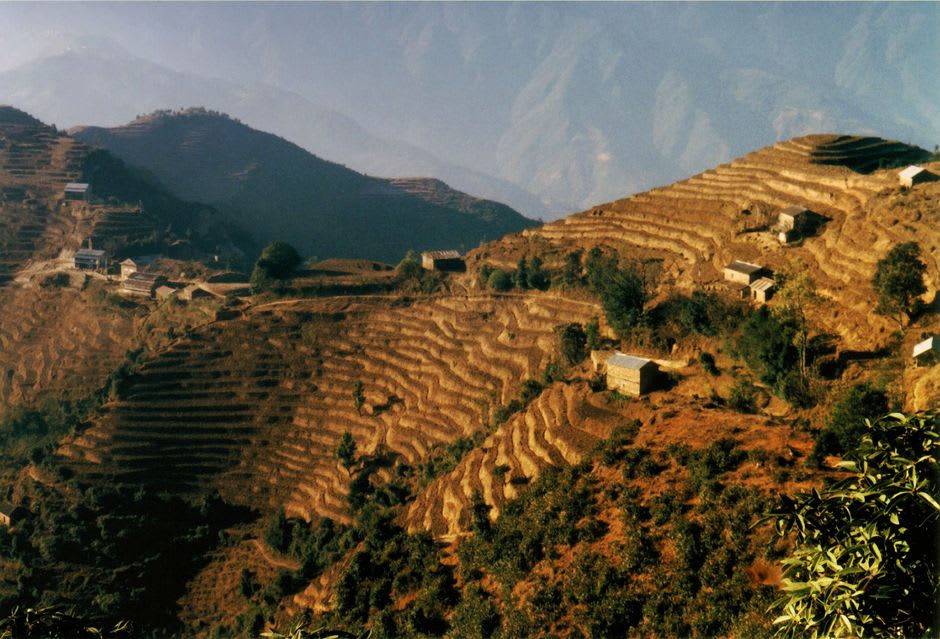
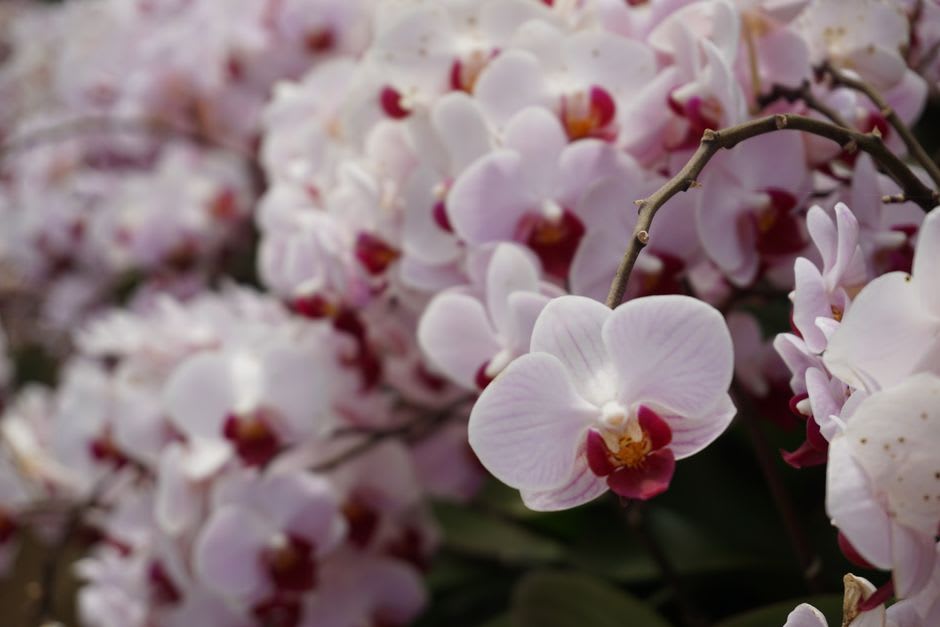
The orchid house is what got me. I’m not usually someone who lingers over flowers, but stepping into that humid, glassed-in warmth after the cool outside air, surrounded by species pulled from all over the eastern Himalaya, I found myself crouching down to read every small label like I was cramming for an exam. Lia kept pulling me along because we had a driver waiting, and I kept stalling at one more bloom. Outside again, the conifers and ferns felt almost deliberately unglamorous by comparison — dense, dripping, arranged less for spectacle than for study — and that contrast is honestly what stuck with me longer than any single flower did.
What I appreciated most, walking out, was how unbothered the place felt by Darjeeling’s tourist rhythm happening just up the hill. No one was selling anything, no one was posing for the same three photo spots everyone else takes. It’s a research garden that happens to let you in, and that distinction shapes the whole visit — you’re a guest in someone’s ongoing project, not a customer in an attraction. We ended up staying almost an hour longer than planned, which threw off our tea estate schedule and, in hindsight, was exactly the right trade.
When to go: Aim for March to May, when the rhododendrons, magnolias, and orchids are actually flowering — that’s when the garden earns its name. We went in the October–November window instead, after the monsoon had cleared the skies, and while we missed the peak bloom, the cool, crisp air and empty paths were their own kind of reward.
Keep exploring
More from Darjeeling
 darjeeling
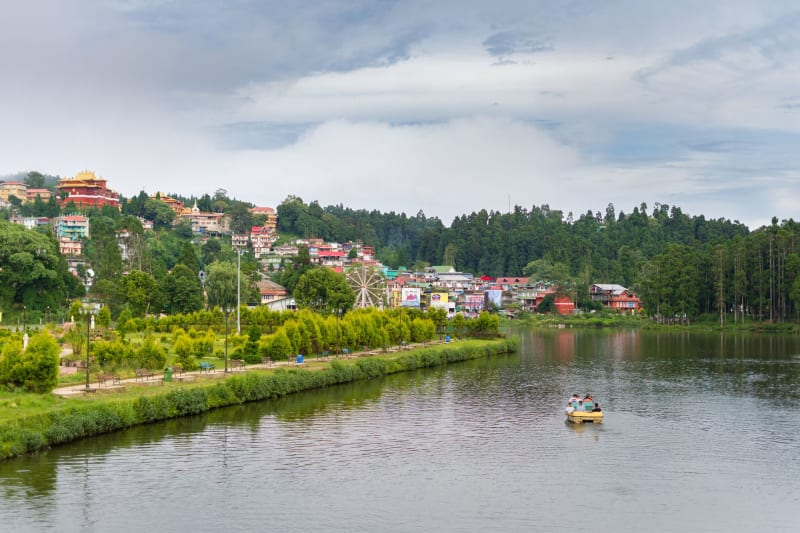
 Mirik
A lake town at lower altitude where the oranges are extraordinary, the thukpa is made from scratch, and nobody is performing for tourists.
Explore darjeeling
 Observatory Hill
The sacred high point at Darjeeling's centre where a Hindu temple and a Buddhist shrine share a hilltop wrapped in prayer flags and attended by macaques.
Explore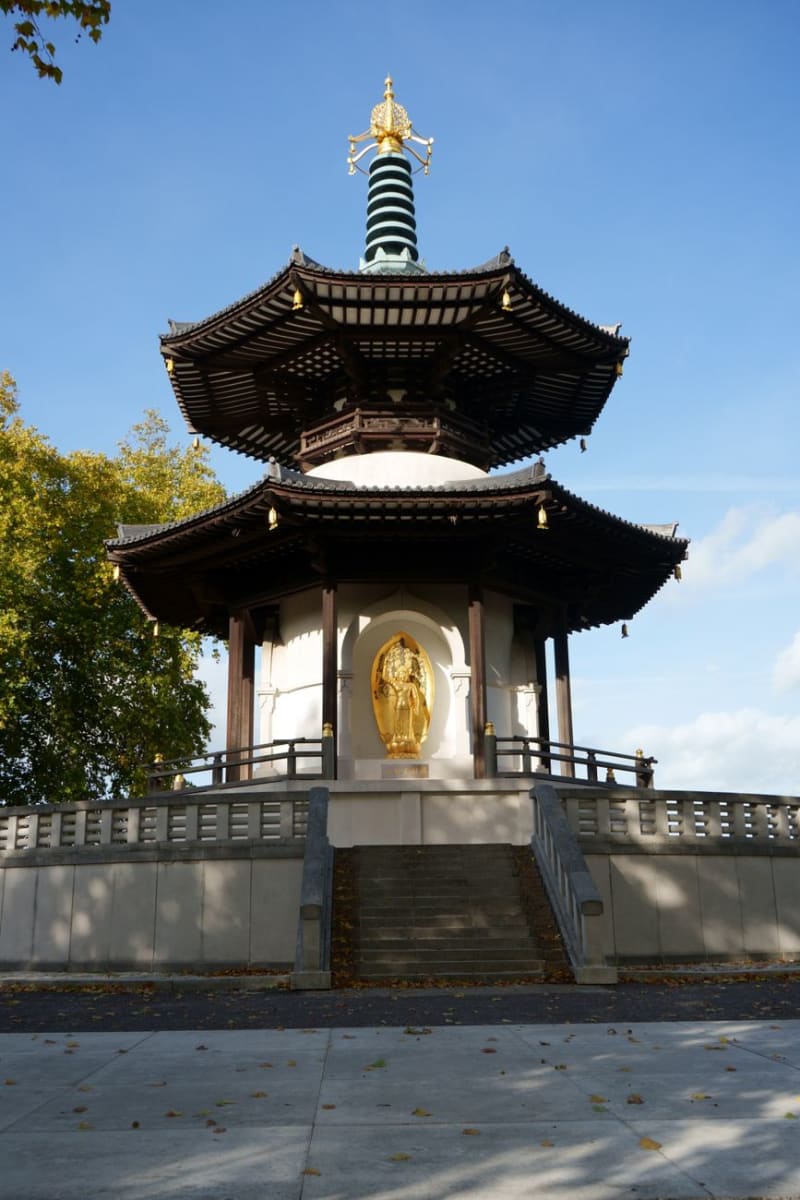 darjeeling
 Japanese Peace Pagoda
A gleaming white Buddhist stupa on the Jalapahar ridge above Darjeeling, built by a Japanese monk, where a dawn drum draws you up through the mist toward Kanchenjunga.
Explore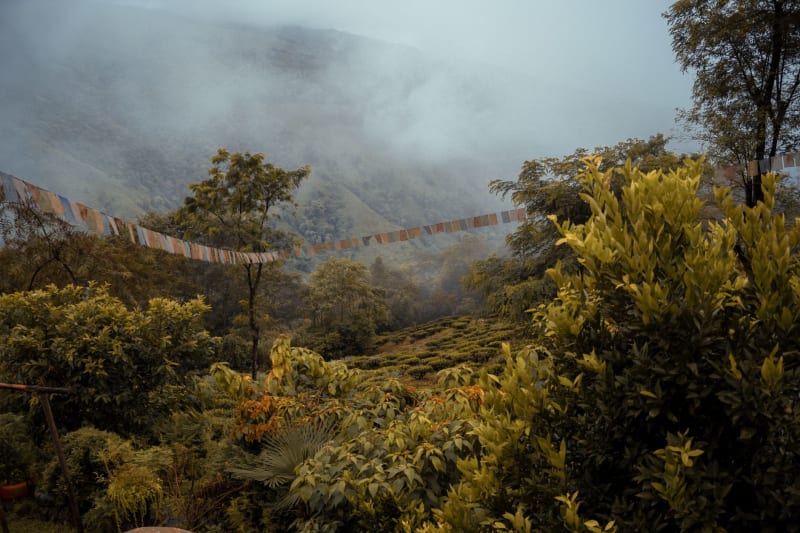 darjeeling
 Sandakphu
West Bengal's highest peak and the only place on earth where four eight-thousanders appear on the same horizon — Everest, Lhotse, Makalu, Kanchenjunga.
Explore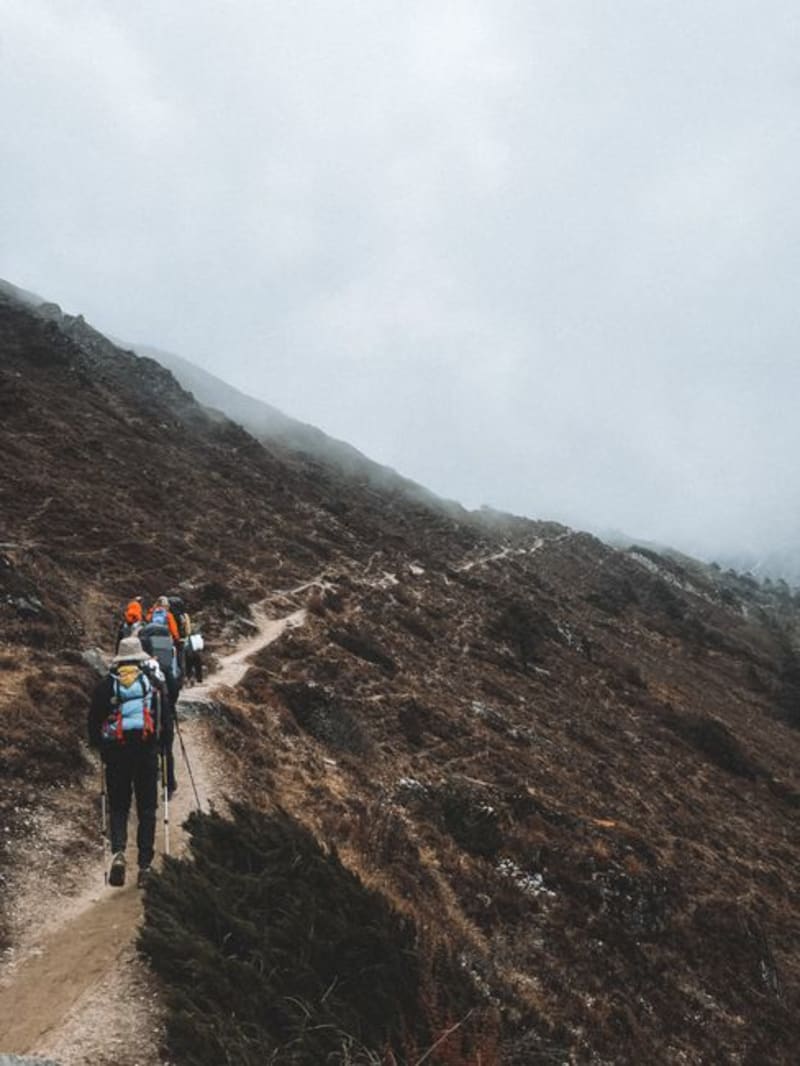 darjeeling
 Singalila National Park
A ridge-top trail on the Nepal-India border where four of the world's five highest peaks rise into a single, staggering view.
Explore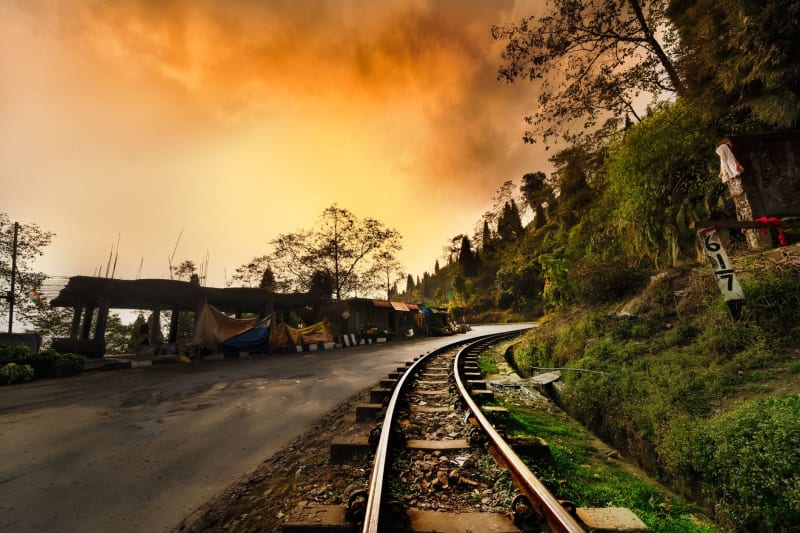 darjeeling
 Tiger Hill
A pre-dawn pilgrimage to the summit where Kanchenjunga, Everest, and Makalu ignite simultaneously above the cloud line.
Explore