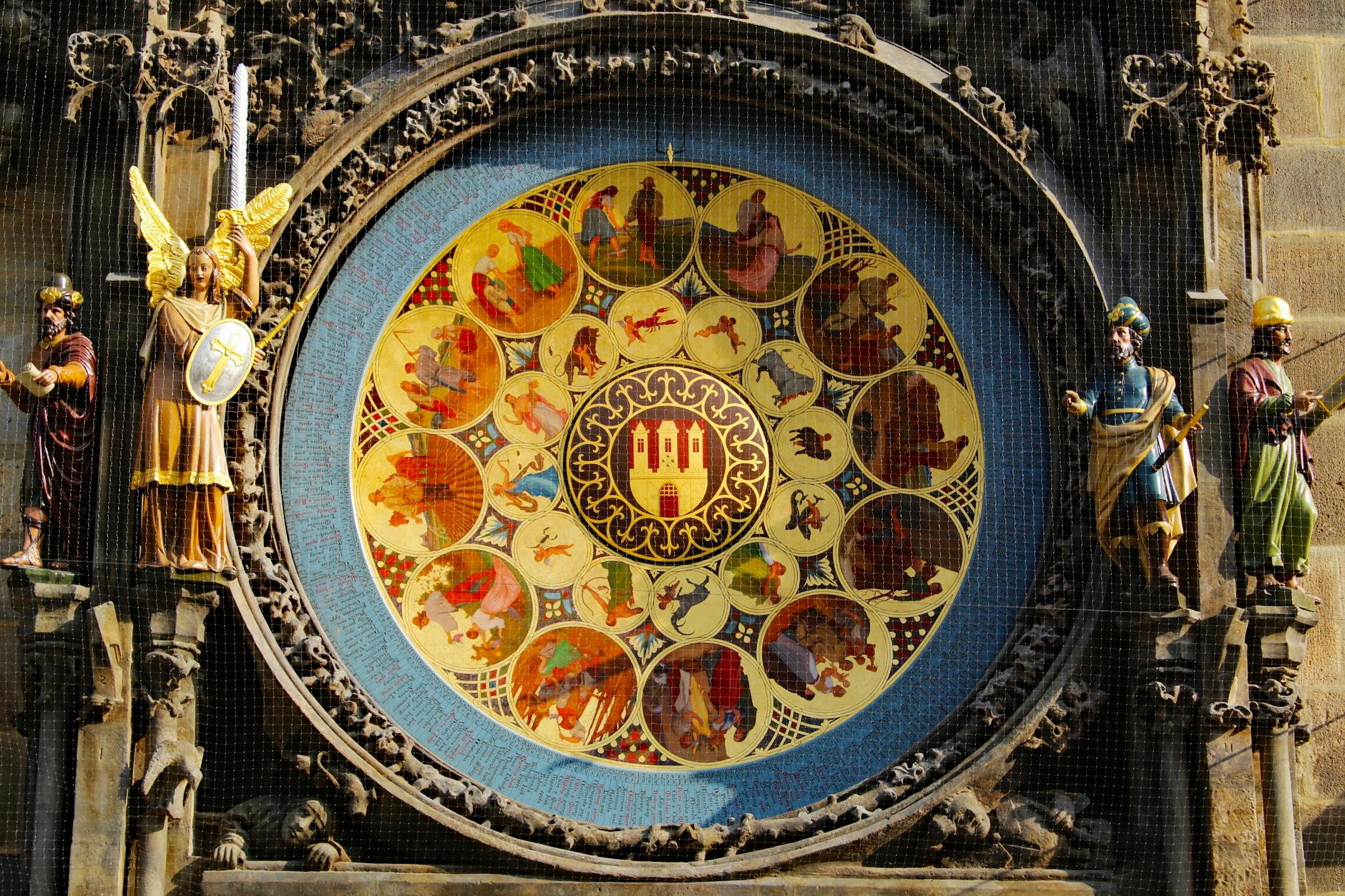
Prague earns its reputation within the first hour. Cross the Charles Bridge at sunrise, when the statues are silhouetted against a sky turning gold over the Vltava, and the city reveals itself as something between a medieval manuscript and a fever dream. The Old Town Square’s astronomical clock draws crowds on the hour, but the real show is the architecture surrounding it — Gothic towers, Baroque churches, Art Nouveau facades layered like centuries of wallpaper. I have been in cities that trade on their beauty, but Prague does not trade. It simply exists in a state of accumulated magnificence that feels almost accidental, as though nobody planned for all of this to work together and yet it does, spectacularly.

Beyond the tourist corridor, Prague rewards the wanderer. The winding streets of Malá Strana hide courtyard gardens and wine bars tucked into Renaissance cellars. Vinohrady offers tree-lined avenues, neighborhood pubs where the beer costs less than water, and a pace of life that feels distinctly un-tourist. The café culture here is serious — Kafka wrote in these rooms, and some of them haven’t changed the furniture since. I spent an afternoon in Café Louvre, where the waiter brought me a Pilsner without being asked and looked mildly offended when I tried to order food before finishing it. In Prague, beer is not a drink — it is a prelude, a punctuation mark, a social lubricant so embedded in the culture that ordering anything else at a hospoda marks you as either foreign or confused.
The castle district above Malá Strana deserves a morning — not for the castle itself, which is impressive but exhausting, but for the Golden Lane and the views from the eastern gardens. St. Vitus Cathedral, wedged inside the castle complex, is one of the great Gothic churches of Europe, its stained glass by Alfons Mucha catching the morning light in pools of cobalt and emerald. Walk down through the Nerudova street afterward, past embassy buildings in Baroque palaces, and you end up at the river where the swans gather in absurd numbers, as though Prague had ordered them for the aesthetic.
The beer culture cannot be overstated. Czech pubs — hospody — operate on a system where the waiter brings you a fresh half-liter the moment your glass approaches empty, marking each delivery on a slip of paper. You do not order. You drink. When you are finished, you place a coaster on top of your glass, and the waiter tallies the damage. A half-liter of the finest Pilsner on earth costs less than a coffee in the tourist cafés upstairs. This is democracy in its purest form.

When to go: May and September offer mild weather and manageable crowds. December transforms the Old Town into one of Europe’s finest Christmas markets. Avoid July and August if you value your sanity — the crowds on the Charles Bridge in high summer make the Champs-Élysées look like a country lane.