Salento
"The billiards hall was full at noon on a Wednesday. The coffee cost forty cents. I stayed four nights."
I arrived in Salento expecting something oversold and got something that still had its own life. The jeeps leave from the main square, the trout restaurants stack up the side streets, and the wooden balconies drip with flowers in colours that no cautious person would ever put together — fuchsia, cobalt, mustard, a particularly aggressive shade of orange. But it works. The whole town works, in the way that a place works when it has not yet forgotten what it was before the tourists arrived.
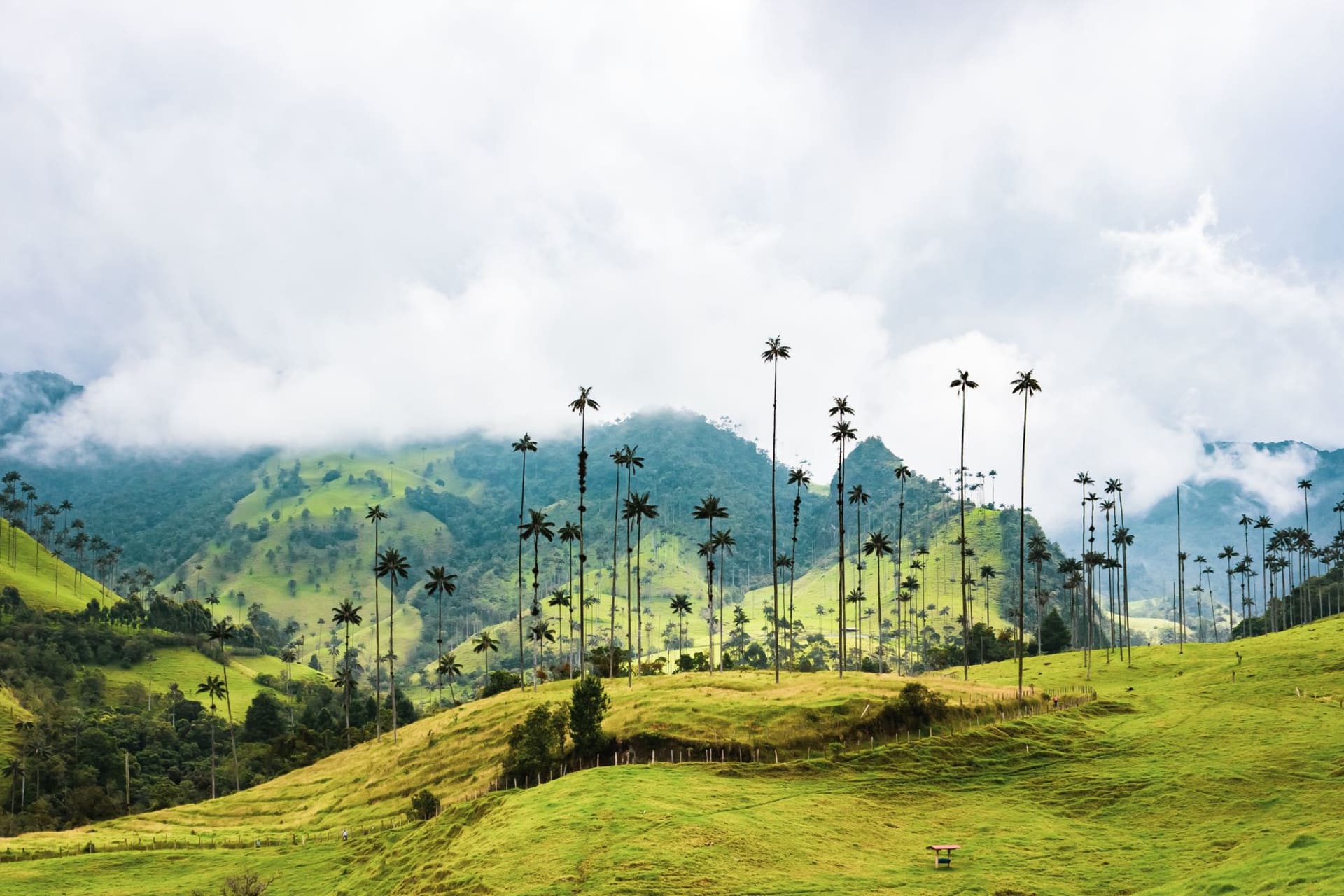
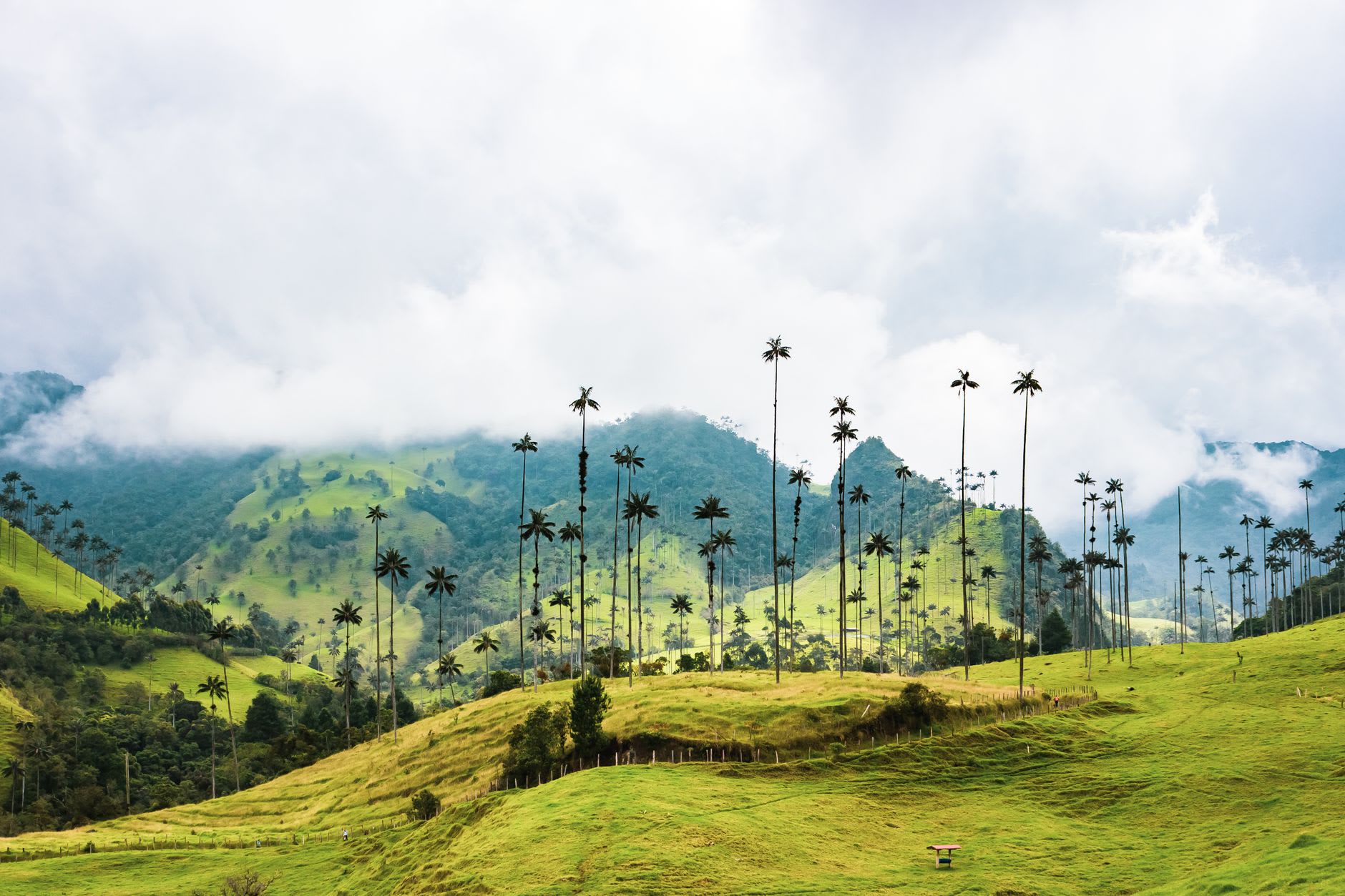
The walk up to Alto de la Cruz takes maybe twenty minutes from the square and rewards you with the full spread: ridgelines to the east rolling into cloud, the patchwork of coffee farms below, the occasional wax palm pointing straight up out of the green like an exclamation mark. I went twice — once in the morning when the mist was still low enough to touch, and once at dusk when the valley lit gold for about ten minutes before the sky shut down entirely.
Calle Real is the commercial artery, and it is where you find the reason most people come: the restaurant strip devoted almost entirely to trout. Trucha. The fish come from the cold rivers running down from the Cocora valley, and they are prepared in about fifteen variations — with garlic butter, with hogao tomato sauce, stuffed with vegetables, fried whole. I ate trout for three consecutive lunches at the same place because the owner adjusted the seasoning each time I mentioned what I had liked more. That kind of accommodation to a stranger is a Salento specialty.
The evenings are for the billiards halls — tejo courts and pool tables in wood-panelled rooms where the TV shows whatever game is on and the aguardiente comes in small plastic cups. I do not speak enough Spanish to follow much of the conversation, but I can sit in a room and feel the temperature of it, and the temperature here is warm without being performed. These are not tourist bars. They are bars where you are tolerated as a tourist.

The finca tours out of Salento vary wildly in quality. The ones booked through street-facing agencies are efficient but tend to feel packaged — you get the talking points and the sample cup and move on. The better approach is to hire a jeep for a half day and ask the driver to take you to a farm where someone is actually working. A driver named Wilson took me to a place above the town where a family was mid-harvest. The woman who ran it spoke no English and I spoke inadequate Spanish but she handed me a coffee cherry to taste — raw, slightly fermented, sweet in a way that bore no resemblance to what it would eventually become — and for a moment the whole long process felt genuinely astonishing.
When to go: December through February is the dry season and the clearest. June to August works almost as well. I went in late January and had blue mornings and soft afternoon rain. Avoid Holy Week — the town fills to capacity and the jeeps to Cocora run two-hour waits.