Armenia
"Everyone lands in Armenia and leaves for Salento. I stayed two days and the city kept surprising me."
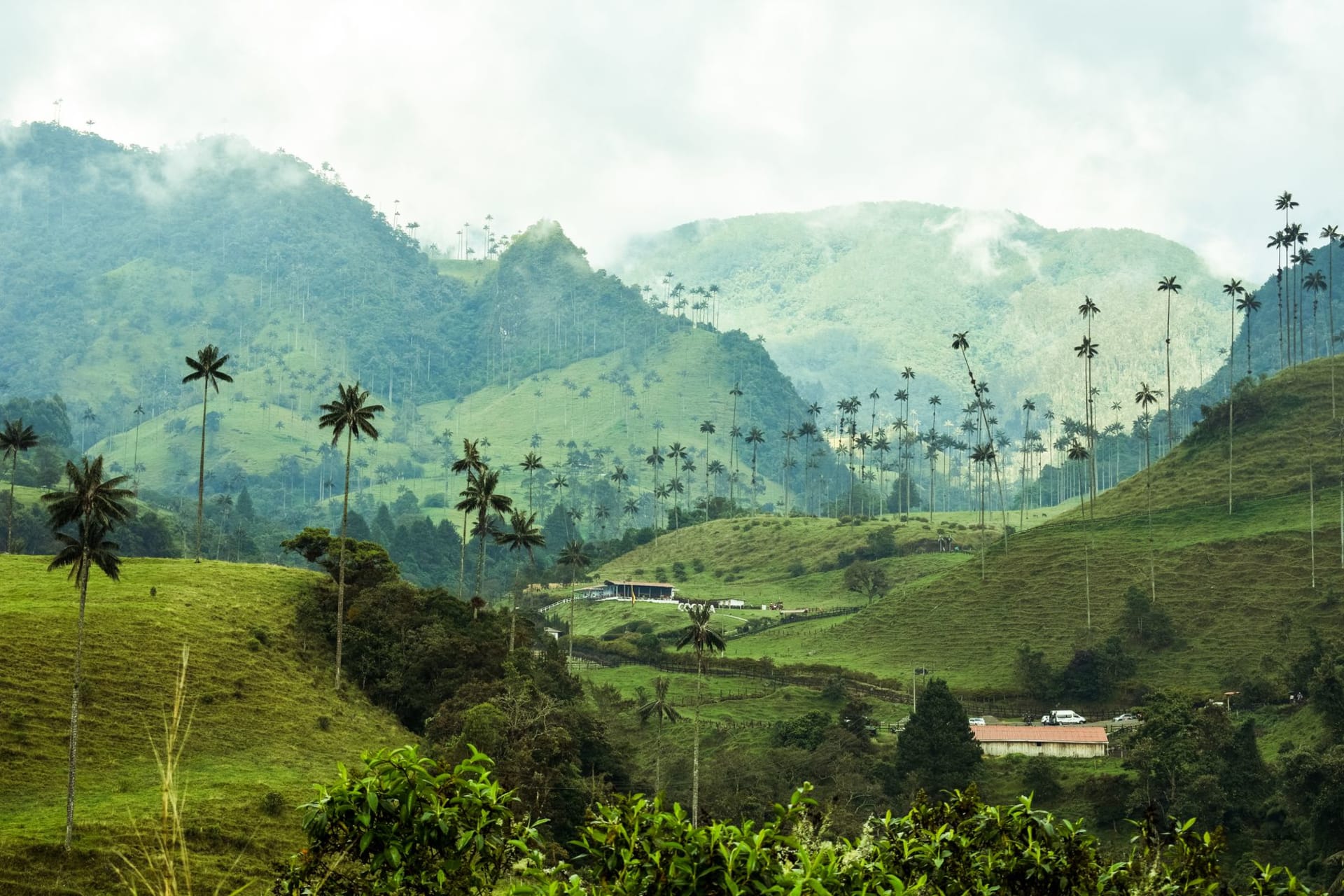
Armenia is what happens when you tell people there is something better nearby. Everyone flies into the El Edén airport, takes a taxi or bus to Salento, and never looks back. I know because I did it on my first visit. On my second, I gave the city two days and discovered that it had been quietly getting interesting without waiting for anyone to notice.
The city sits at around 1,500 metres — lower than Salento, warmer, more urban in the way of a Colombian departmental capital with all that implies: a Plaza de Bolívar surrounded by government buildings and the kind of street commerce that starts at six in the morning, a cathedral that is neither beautiful nor ugly but simply solid, vendors selling obleas and bolos of agua de panela from carts that appear to operate on no discernible schedule.
The Museo del Quindío is the real draw for anyone interested in the ecology and history of the coffee region. It is housed in a building that manages the trick of feeling both institutional and welcoming, and the natural history section — which covers the region’s biodiversity in genuine depth, from the wax palm to the spectacled bear — is one of the better natural history exhibits I have seen in Colombia. The coffee history section arrives later and is thorough without being tedious, tracing the Antioquian colonisation of the nineteenth century that planted the first coffee trees on these slopes and created the finca culture that still defines the region’s identity.
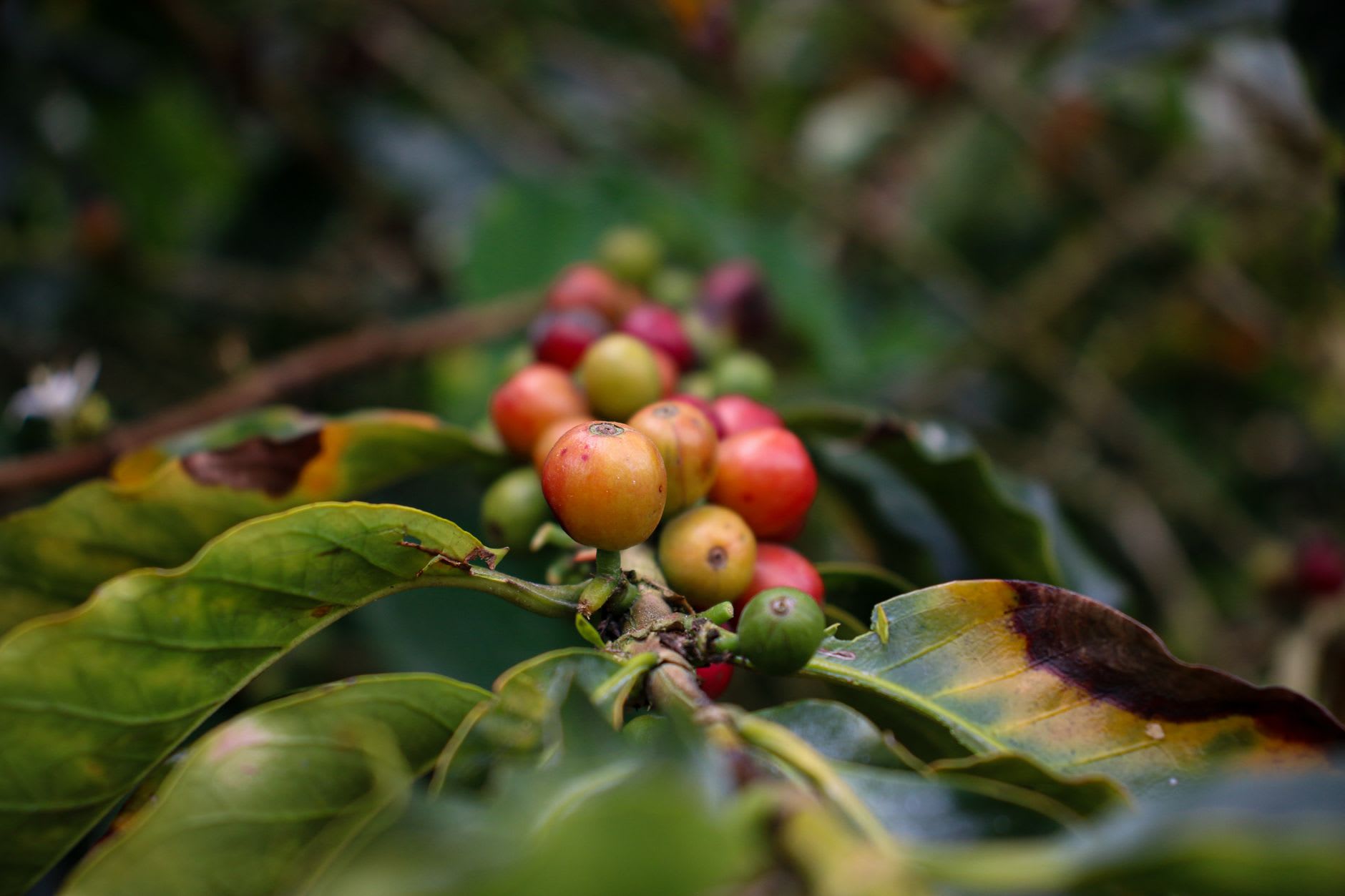
The coffee scene in Armenia is more diffuse than in Salento but more honest about what it is. There are specialty cafés in the Barrio El Bosque neighbourhood — third-wave places with pour-overs and tasting menus — but there are also the corner tiendas where the coffee comes in small glasses sweetened with panela and no one is performing anything. I preferred the latter, partly for the price (fifty cents, always fifty cents) and partly for the company: the tienda near my hotel was run by a woman named Rosario who made her tinto from beans she bought directly from a cousin’s finca and who told me, without particular pride, that she had been doing so for twenty-two years.
The earthquake memorial in the city deserves a quiet hour. Armenia was devastated by the 1999 earthquake — over a thousand dead, the historic centre largely destroyed — and the city rebuilt with a speed that is visible in its architecture: many of the central blocks are plainly post-quake, utilitarian, efficient. But in the park near the old civic centre there are elements of the memorial that are genuinely moving: a listing of names, a fragment of facade from a collapsed building preserved under glass, photographs of the rescue operation in the days after.

The Parque de la Vida, a long pedestrian promenade south of the centre, is where the city shows its post-earthquake optimism most clearly. Wide, tree-lined, with fountains and playgrounds and a Sunday morning crowd of joggers and families and couples on rented bikes. It is the park of a city that decided, after losing so much, that it would make something good.
When to go: Armenia is a year-round destination — it is primarily a gateway, and flights run regardless of season. But the city’s own life is best seen in the dry months (December-February, June-August) when the plaza fills in the evenings and the outdoor seating at the market stalls stays full past dark.