
Mont Orgueil
"It was built to keep the French out. The French took it anyway. The castle seems unbothered."
The approach to Gorey harbour from the coast road is one of those moments where a landscape earns its reputation by delivery rather than promise. The castle appears first as a silhouette against the sky — a mass of tower and curtain wall stacked on its granite promontory with the unsentimental mass of something built entirely for survival — and then as you descend into the village, it resolves into detail: the medieval stonework warm in afternoon light, the Union Jack above the keep, the small fishing boats on the harbour wall below, each element absurd in combination and yet entirely coherent. Mont Orgueil, completed in the early thirteenth century, was already out of date by the time gunpowder artillery made it undefendable, and it acquired over the subsequent centuries an impractical but affectionate tenacity.
The village of Gorey beneath the castle is a single street of hotels, seafood restaurants, and gift shops that has the slightly dazed air of a place that knows exactly how beautiful it is but has not quite decided what to do about it. I ate lunch at a table outside one of the restaurants on the quay and was presented with half a crab that had been caught that morning — the woman at the table next to me told me this, having lived here her whole life and apparently knowing the fishermen personally. The crab was sweet and cold, served with brown bread and Jersey butter, and the water in the harbour was green-grey and transparent to the bottom.
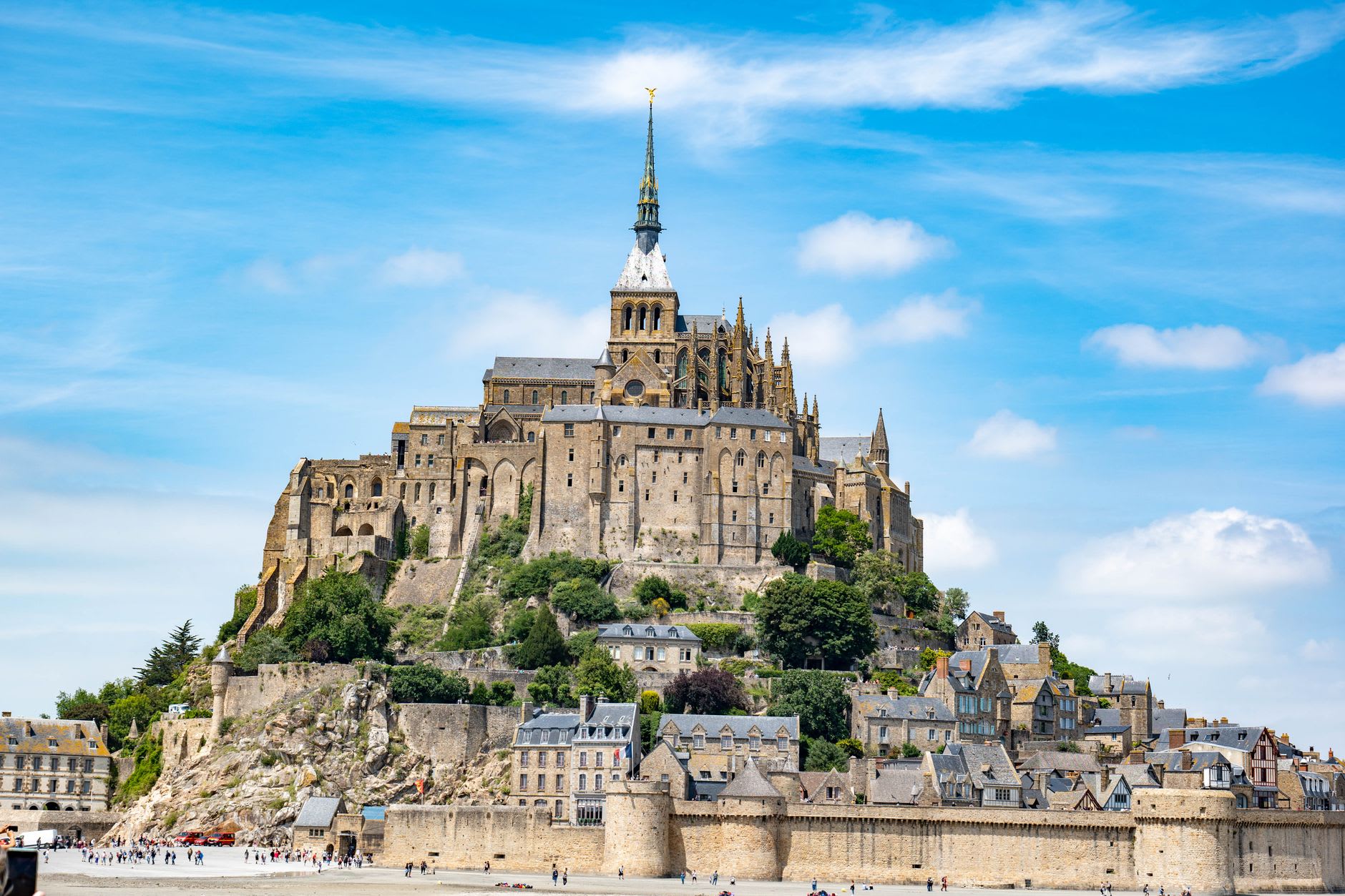
Inside the castle, the exhibition traces the site’s history from Norman stronghold through Parliamentary Civil War garrison to tourist attraction, and does so with genuine intellectual engagement rather than the usual heritage-industry indifference. The rooms are largely bare of furniture, which is the right decision — the spaces speak for themselves, and the views from the upper ramparts across the bay to the coast of Normandy (genuinely visible on a clear day, twenty-four miles away) are the point. Standing there, the political geography of the Channel Islands becomes briefly legible: Jersey closer to France than to Britain, yet not French; these islands the residue of the Duchy of Normandy, the piece of William the Conqueror’s homeland that the English crown retained after losing everything else.
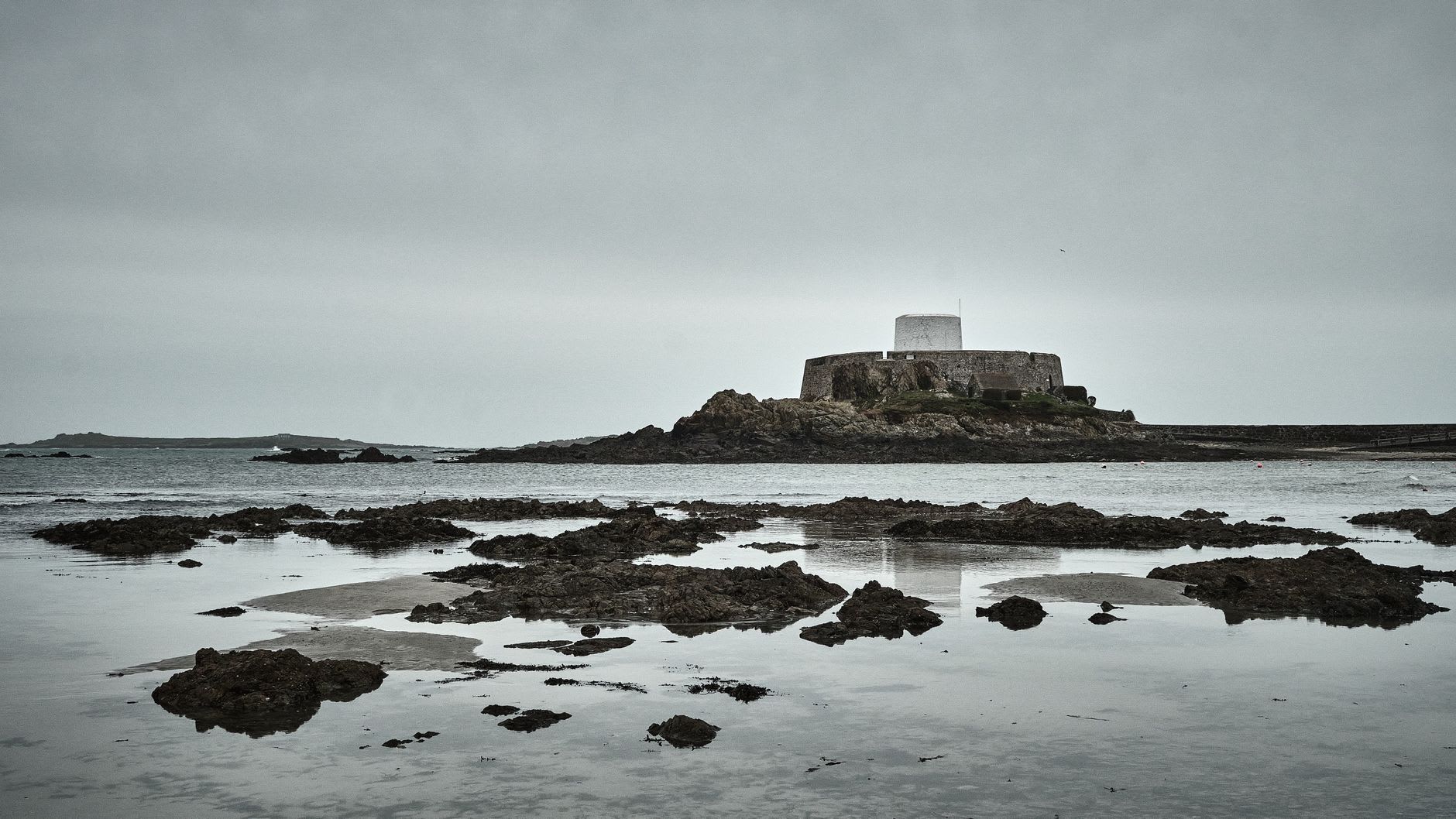
Gorey is also a worthwhile destination after dark. The restaurants along the quay operate at a different pace in the evening — less tourist, more local, the fishermen sometimes occupying the bar stools with the relaxed authority of people who had brought in whatever is on the menu — and the castle above, illuminated against a dark blue sky, achieves an effect that I would describe as unnecessarily dramatic in the best possible way.
When to go: April through October for the castle and full harbour access. June evenings are particularly good — long light, warm enough to sit outside, the castle illuminated after dark. Winter visits are quiet and atmospheric but check opening times before making the trip.