Ndélé
"Nobody here dresses this history up as anything other than what it was."
A dusty northern town built around the crumbling palace of a nineteenth-century slave-trading sultan, where the history is uncomfortable and nobody pretends otherwise.
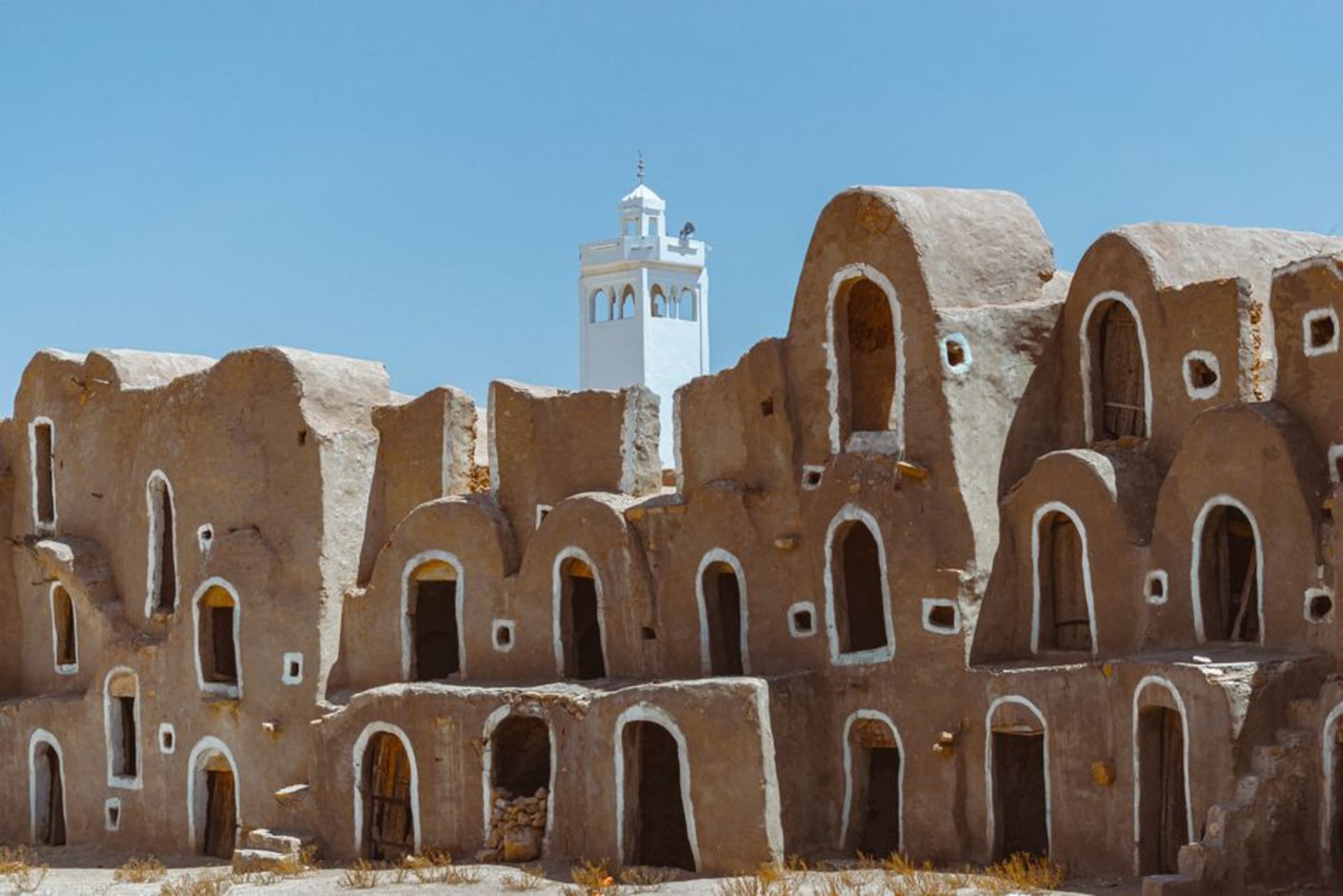
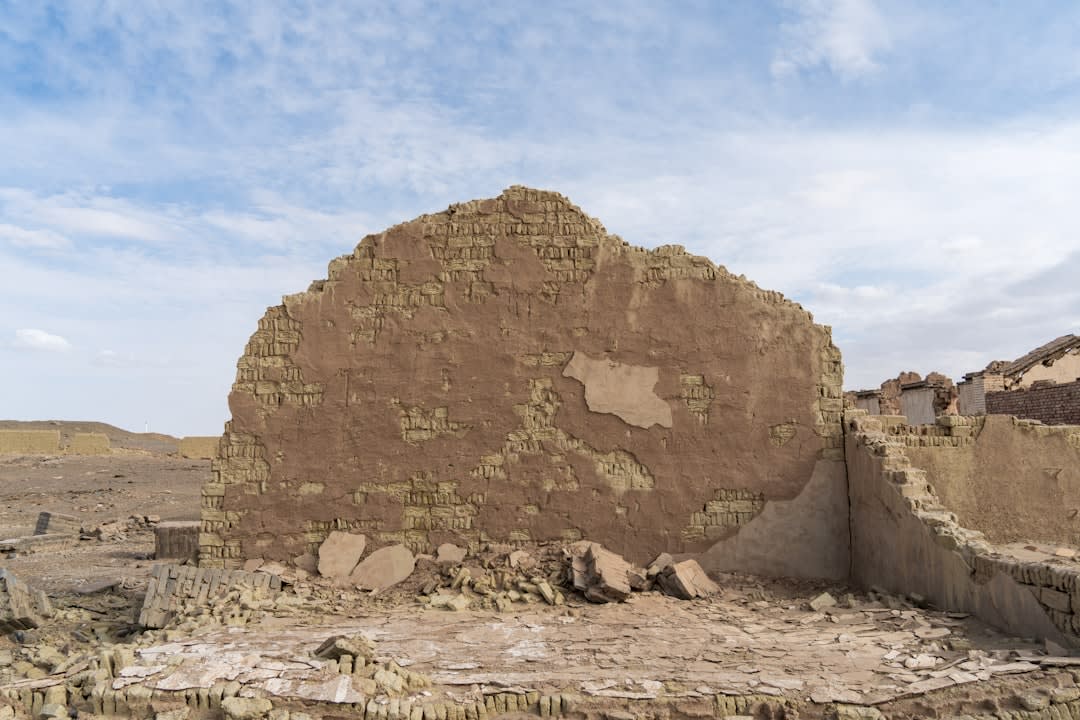
Ndélé is not an easy place to reach, and it is not an easy place to sit with once you arrive. The town grew up as the seat of a sultanate under Rabih az-Zubayr, a Sudanese warlord and slave trader who carved out a violent regional empire here in the late nineteenth century before the French eventually broke it apart. The ruins of the old palace compound still stand at the edge of town — thick mudbrick walls, collapsed in sections, with a scale that makes clear this was once a serious seat of power rather than a minor outpost. I walked through it with a local schoolteacher named Emmanuel, who taught the history in blunt terms I wasn’t quite expecting: this was where captives were held before being marched north across the Sahara, and the town’s wealth in that era was built directly on that traffic.
It is uncomfortable history, and Ndélé does not sand down the edges of it for visitors, mostly because there are almost none to perform for. What struck me was how directly people here connect that period to the region’s much more recent instability — Ndélé sits in an area that has seen repeated waves of armed group activity in the twenty-first century, and more than one person told me they saw a straight, unbroken line from Rabih’s era to the current cycles of violence in the north. I don’t know enough to fully evaluate that claim, but it was offered with the flat certainty of people who have lived through both.
Away from the ruins, the town itself has a quiet, sun-bleached rhythm — a market selling dried fish brought up from the Bamingui river system, cattle herders passing through with animals destined for markets further south, and a mosque whose call to prayer carries across the whole town in the still morning air, a reminder that the Muslim Sahelian influence here runs deeper than in most of the country’s south. I ate a lunch of millet porridge and dried meat with a family who insisted a stranger shouldn’t eat alone, communicated almost entirely through gesture since my Sango was minimal and their French was limited to a handful of useful words.
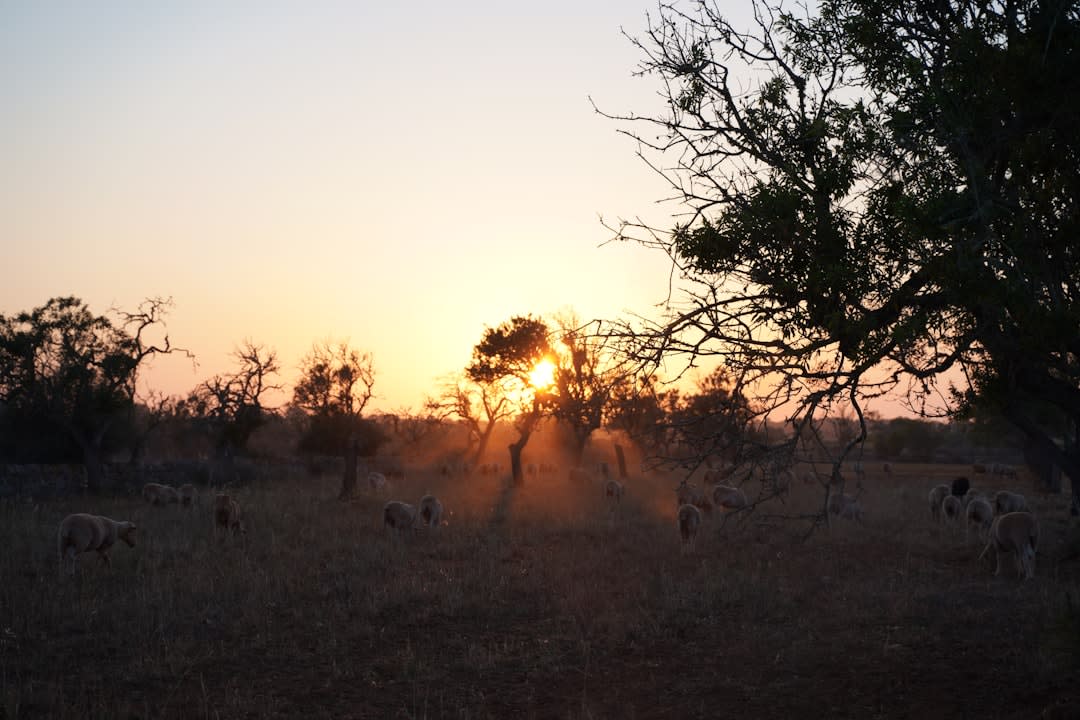
The landscape around Ndélé marks a genuine transition zone — savanna grading toward the drier Sahelian scrubland of the far north, acacia replacing the broadleaf trees further south, and a noticeably different light, harder and whiter, than the softened haze over the forest regions. Standing at the edge of the ruined palace at dusk, watching cattle being driven home past walls built by a slave-trading sultan a century and a half ago, I felt the layered weight of the place more than I expected to.
When to go: Security conditions in the north change frequently and require current, on-the-ground verification before any visit — this is not a region to arrive in without recent intelligence. When accessible, December to February offers the coolest, driest conditions for the difficult roads leading here.