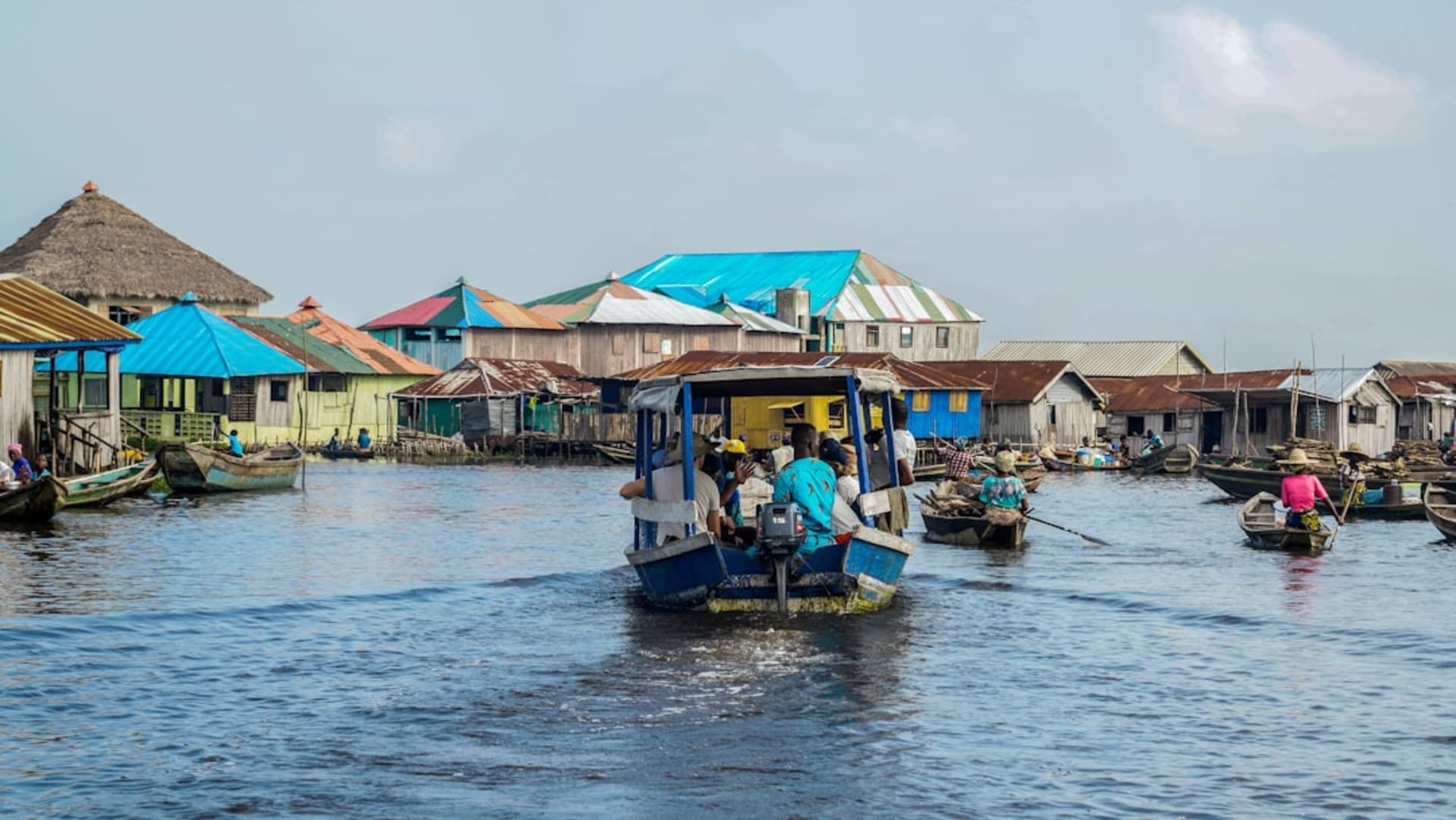
Kaga-Bandoro
"People here talk about rebuilding in the present tense, like it's a daily verb rather than a finished project."
A central crossroads town rebuilding itself street by street after years of conflict, where a displaced-persons camp and a bustling cattle market sit within sight of each other.
Kaga-Bandoro sits almost exactly at the geographic center of the country, at a crossroads that has made it strategically important — and repeatedly fought over — for decades. The town took serious damage during the conflict years of the 2010s, and driving in, you see the layered evidence: burned-out shells of buildings standing next to freshly rebuilt homes with bright new tin roofs, the two states of the town interleaved block by block rather than segregated into an obvious “before” and “after” zone. A displaced-persons camp still operates on the edge of town, and one of the things that struck me most was how normalized its presence has become in daily life — not a crisis anymore, just a fixture, a neighborhood like any other with its own market stalls and football games.
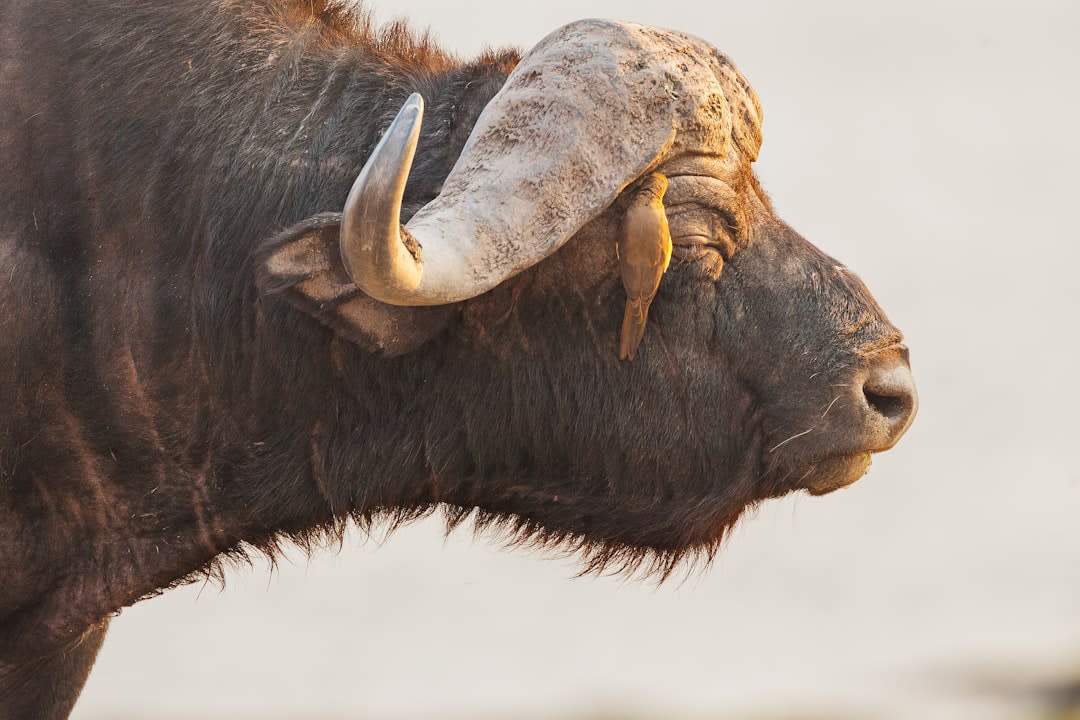
I spent a morning at the cattle market, one of the largest in the country’s interior, where Fulani herders bring animals down from grazing routes across the central plateau to sell to traders who move them toward Bangui. The scale of the negotiation theater was something to watch — men circling animals, touching flanks and haunches with the seriousness of appraisers, arguing prices in a mix of Sango and Fulfulde that moved too fast for me to follow even loosely. A herder named Oumarou, amused at my confusion, translated the gist for me: everyone was lying about the price a little, and everyone knew it, and that was simply how the negotiation worked.
What surprised me about Kaga-Bandoro was the resilience of ordinary commerce alongside all of this — a rebuilt market selling everything from soap to secondhand clothing shipped in bales from unclear origins, motorbike mechanics working under lean-to shelters, a woman selling fried dough balls from a cart she’d clearly pushed the same route every day for years regardless of who controlled the town that particular season. Life here has kept moving through periods that would have stopped it cold elsewhere, and there’s something quietly instructive in that persistence.
I ate dinner with a family who had been displaced twice and returned twice, rebuilding their home from mudbrick each time. The mother, Béatrice, served a groundnut stew with dried fish and talked about the process of rebuilding with a matter-of-factness that took me a while to fully absorb — this wasn’t resignation, it was simply how she’d organized her relationship to an unstable situation, doing the next necessary thing without dwelling on how many times she’d already done it.
When to go: Check current security advisories closely before any visit — the central region’s stability has fluctuated significantly over the past decade. When conditions allow, the dry season from December to February gives the most reliable road access from Bangui.