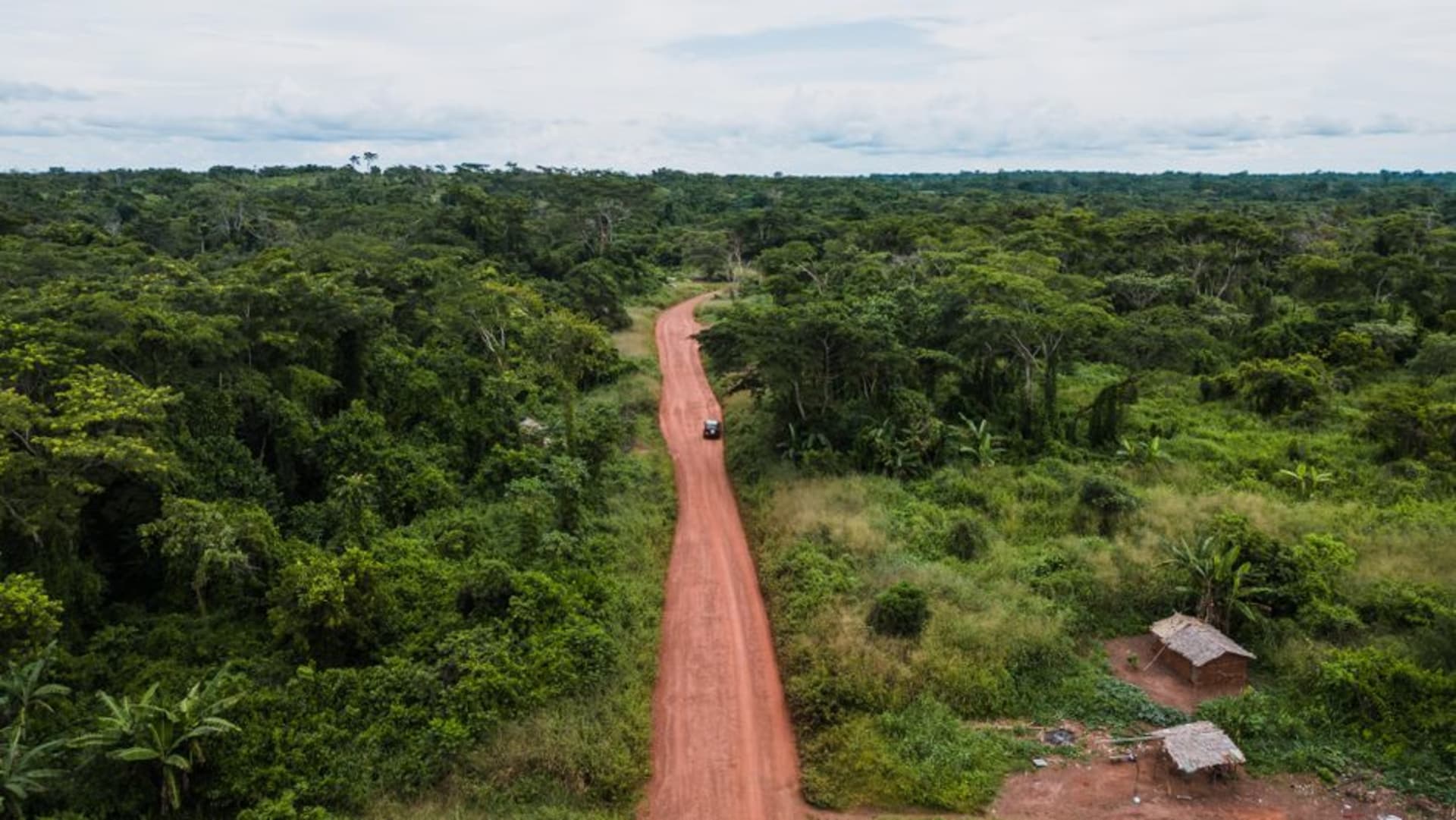
A forest-edge border post where the road to Cameroon dissolves into red mud, and the timber trucks and market women share the same narrow crossing.
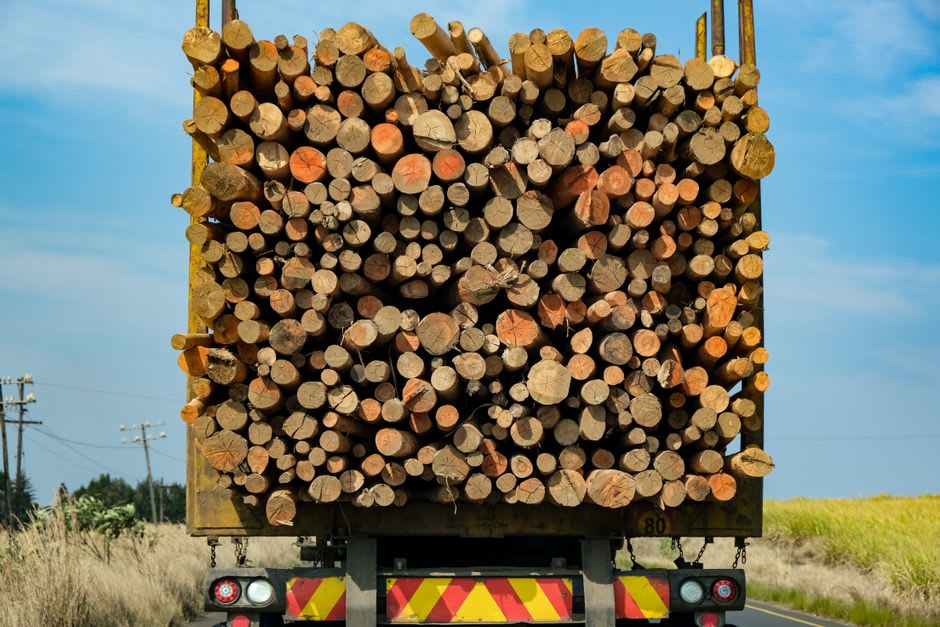
Gamboula exists almost entirely because of its position, a border town wedged into the forest on the frontier with Cameroon where the road — such as it is — narrows to a single lane of deep red laterite mud that timber trucks and pedestrians share without much apparent hierarchy. I arrived after a rain, which meant watching a fully loaded logging truck spend forty minutes negotiating a stretch of road that had turned to something closer to a lake bed than a highway, an audience of stranded travelers and market women with baskets on their heads gathering to watch and occasionally offer contradictory advice to the driver.
The market that operates right at the crossing point runs on genuinely dual-currency logic — Central African CFA francs and Cameroonian goods moving both directions with an ease that made the border itself feel almost incidental, a formality that the actual economic life of the town had long since worked around. I bought grilled plantain from a woman who quoted me a price in francs and then, without missing a beat, quoted the same price in a Cameroonian phrase for a customer behind me, switching currencies and languages with the same unbothered fluency Adoum had shown me further north. Traders here move between countries multiple times a day, and the concept of “crossing a border” barely registers as an event.
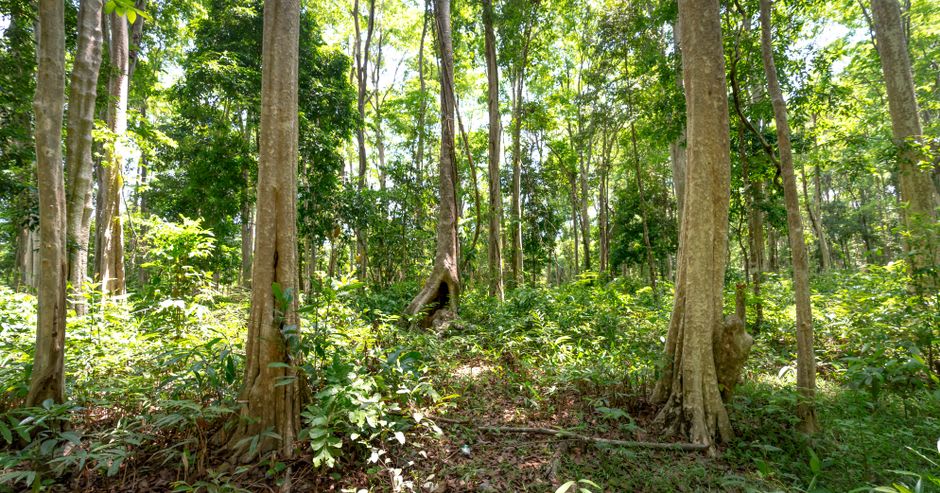
The surrounding forest here is genuinely dense, part of the same broad forest belt that extends toward Dzanga-Sangha further south, and walking even a short distance off the main track puts you under real canopy within minutes — thick with vines, loud with birds and insects I couldn’t identify, and noticeably cooler than the exposed road. A young man named Serge, who worked informally guiding travelers and traders through the crossing process, walked me a kilometer into the trees to show me a patch of wild forest coffee growing under the canopy, unmanaged and untended, the kind of thing that reminds you how much of this region’s agriculture started as forest plants humans simply began paying closer attention to.
I spent a night in Gamboula in a small guesthouse run above a bar that played Congolese rumba on a generator-powered speaker until well past midnight, the sound carrying out over the mud road and the dark tree line beyond it. It felt, more than almost anywhere else I visited in the country, like a place defined entirely by movement — people, goods, and currencies passing through rather than settling, the forest pressing in on both sides as if patiently waiting for the road to give up.
When to go: The dry season, December to February, makes the crossing road passable in hours rather than the half-day ordeal it can become in the rains. This is primarily a transit point rather than a destination for a long stay, so plan it as a stop rather than a base.