Bria
"Everyone in Bria is calculating the same math — how deep to dig before the odds turn against you."
A diamond-mining town in the eastern savanna where hand-dug pits pockmark the surrounding hills and the entire local economy rises and falls with a single gemstone.
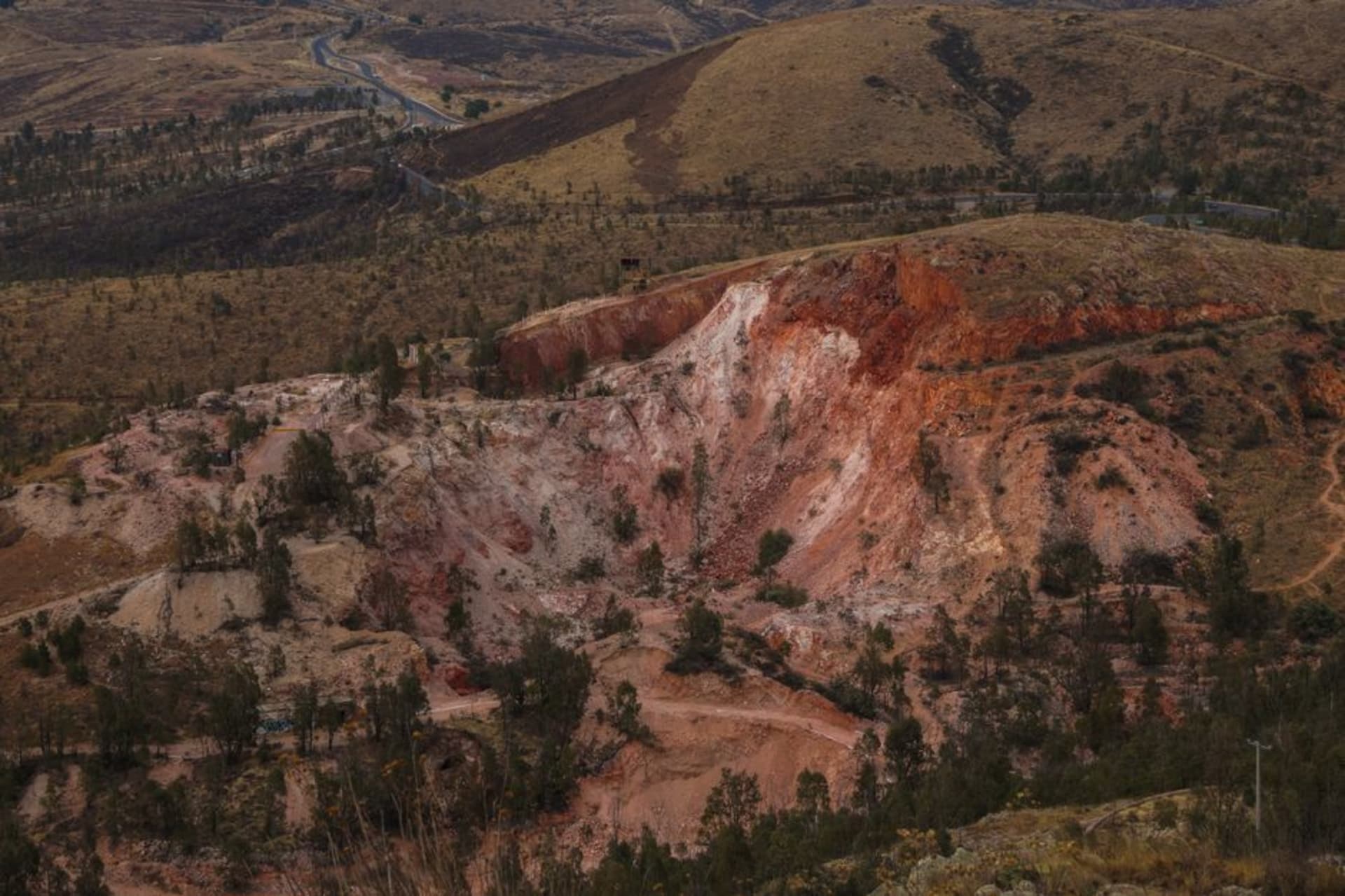
Bria sits in the Haute-Kotto prefecture, in the heart of the country’s diamond fields, and the landscape around it tells you that before anyone does: rolling savanna hills pockmarked with hand-dug pits, some abandoned mid-excavation, others actively worked by small crews with shovels and sieves under makeshift tarp shelters. This is one of the oldest diamond-producing regions in the country, worked continuously — through booms, embargoes, and periods of serious conflict over control of the mines — since the colonial era, and the accumulated scars on the land are honestly startling from any elevated viewpoint.
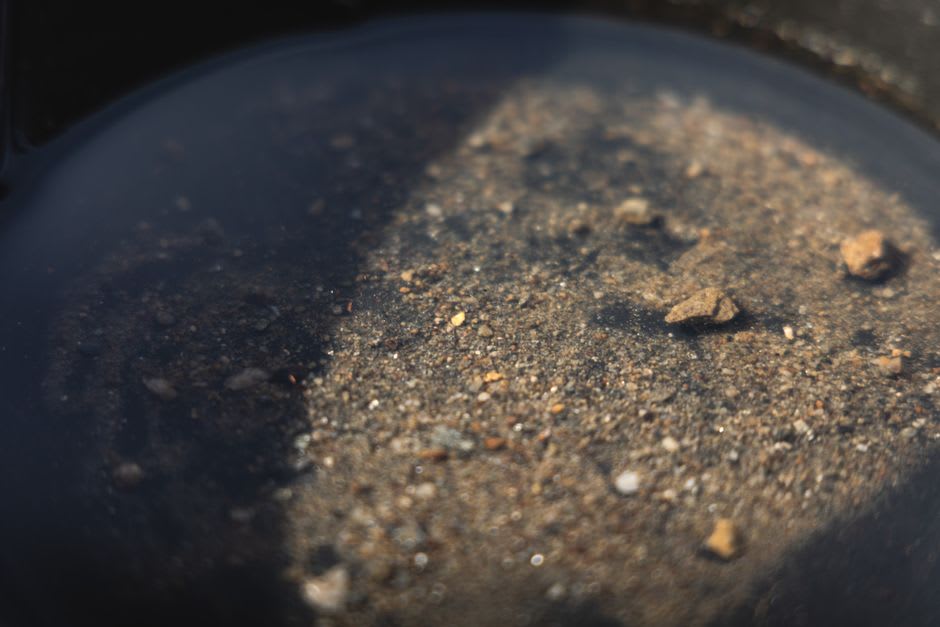
I spent a day with a mining cooperative on the outskirts of town, watching the whole extraction process unfold in a rhythm that felt almost ritualistic: digging down through the laterite to reach the gravel layer, hauling it up in woven baskets, washing it in a rotating sieve at the edge of a stream, and then the final sorting, where two or three men crouched over the residue in complete silence, checking each pebble for the particular flash that separates a diamond from ordinary quartz or garnet. A cooperative leader named Innocent told me the crew of nine had found three stones of real value in the past month, which he described as an unusually good stretch.
The town itself has weathered serious instability over the past decade, with control of the surrounding mining areas repeatedly contested by armed groups drawn by the value underground, and the presence of a UN peacekeeping base on the edge of town is a direct reflection of that history. Despite this, the market in the center operates with a stubborn normalcy — traders selling everything from batteries to secondhand radios, a barber running an open-air stall under a mango tree, women selling grilled corn to a steady stream of customers who all seem to know each other. I ate a lunch of cassava and smoked fish with a family whose father worked the mines seasonally and farmed the rest of the year, splitting his risk the way anyone in an extractive economy eventually learns to.
What lingers from Bria is the particular quality of light on the mining hills in late afternoon, when the low sun catches the disturbed red earth of hundreds of pits and throws long shadows across a landscape that looks, from a distance, almost lunar. It is not a conventionally beautiful sight, but it is an honest one — a direct visual record of an economy built entirely on searching, mostly in vain, for something small and bright buried in the ground.
When to go: Security conditions around Bria and the wider Haute-Kotto region require current, reliable verification before any visit given the history of armed group activity tied to the mines. When accessible, the dry season from December to February offers the most stable conditions for both travel and the mining operations themselves.