São Filipe
"Everywhere you look, the volcano. You stop noticing. Then it erupts in conversation and you remember how extraordinary it is to build a city under that."
São Filipe arrived before the plane landed — I could see the town from the descent, white buildings stacked on the western coast of Fogo below the volcano’s immense flank, looking exactly like a place that knows it is being watched from above by something indifferent and ancient and occasionally violent. The feeling on the ground was different: a town that has made its peace with its geology, that uses the volcano as backdrop and landmark and point of orientation the way other towns use a cathedral or a mountain — as something that explains where you are.
The architecture of São Filipe is why the town has been declared a national monument. The sobrados — the grand two-storey colonial houses of the Badiu aristocracy — line the older streets with a dignity that has survived multiple eruptions of both the geological and the political kind. These houses follow a consistent logic: solid ground floor, ornate upper floor, elaborate ironwork balconies overlooking the street, the whole structure carrying the slightly faded authority of something that was built to last and has done so despite mixed encouragement. Many are peeling. Most are inhabited. A few have been converted to small hotels and restaurants with the kind of restoration that preserves rather than prettifies.
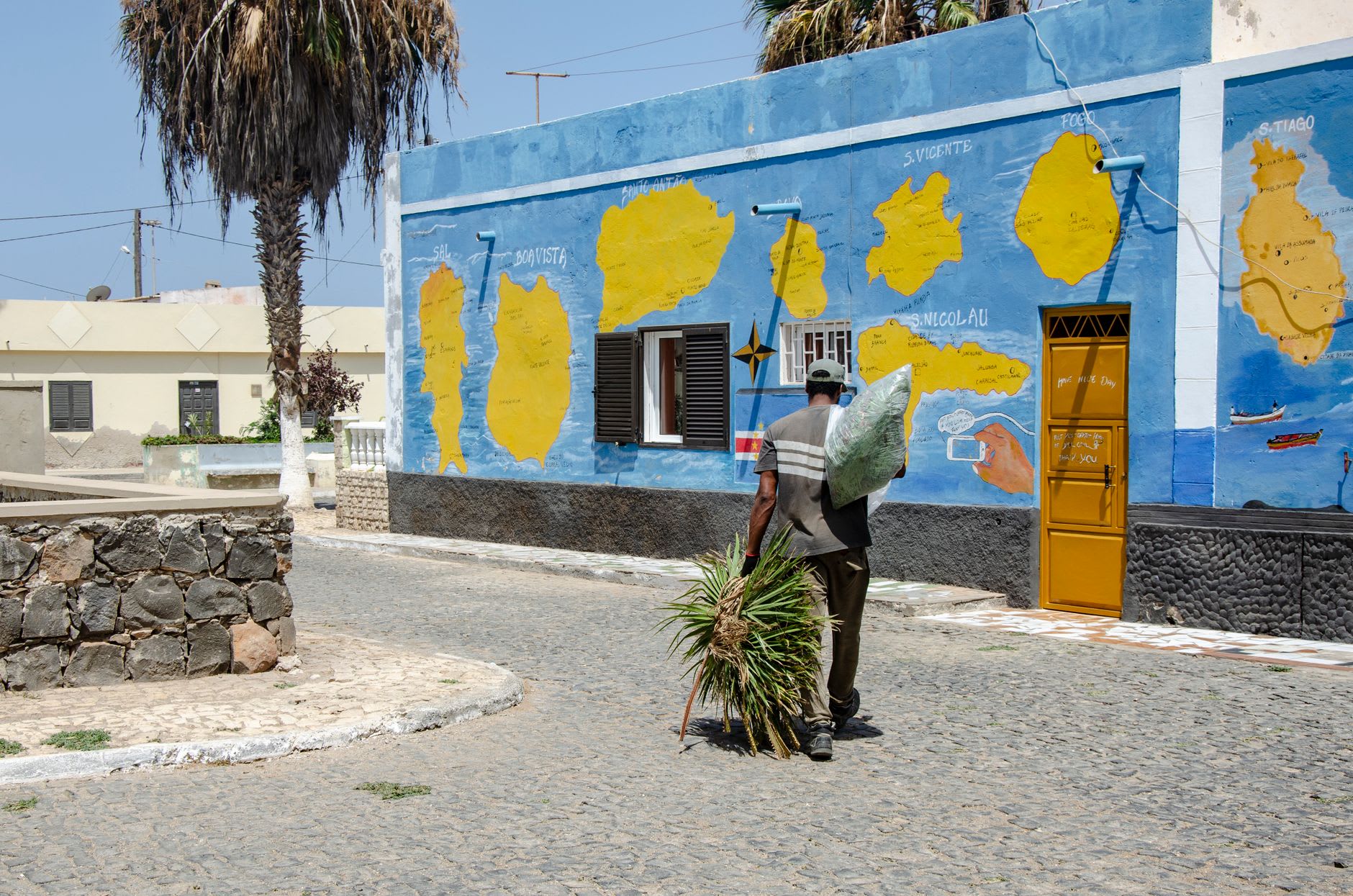
I arrived on a Sunday morning and the main square was engaged in the particular slow ceremony of a Sunday in a small Cape Verdean town — men on benches, a few women in church clothes walking past, children in good shoes treating the cobblestones as an obstacle course. A boy of about eight was attempting to teach a younger boy of about five to ride a bicycle, with the resigned patience of someone who has explained this many times before. The volcano rose behind them in the middle distance, its peak catching cloud.
The grogue in Fogo is a point of local pride that functions simultaneously as welcome and currency. At the small shop around the corner from the square where I bought water and crackers, the owner poured a small glass from an unlabelled bottle with the matter-of-factness of someone offering coffee. I drank it. It was good — smooth by grogue standards, with a warmth that spread rather than hit. The man nodded with satisfaction, as if I had confirmed something he already knew. The bottle was from his cousin’s distillery in the caldera. He gave me the name of the cousin, unprompted.

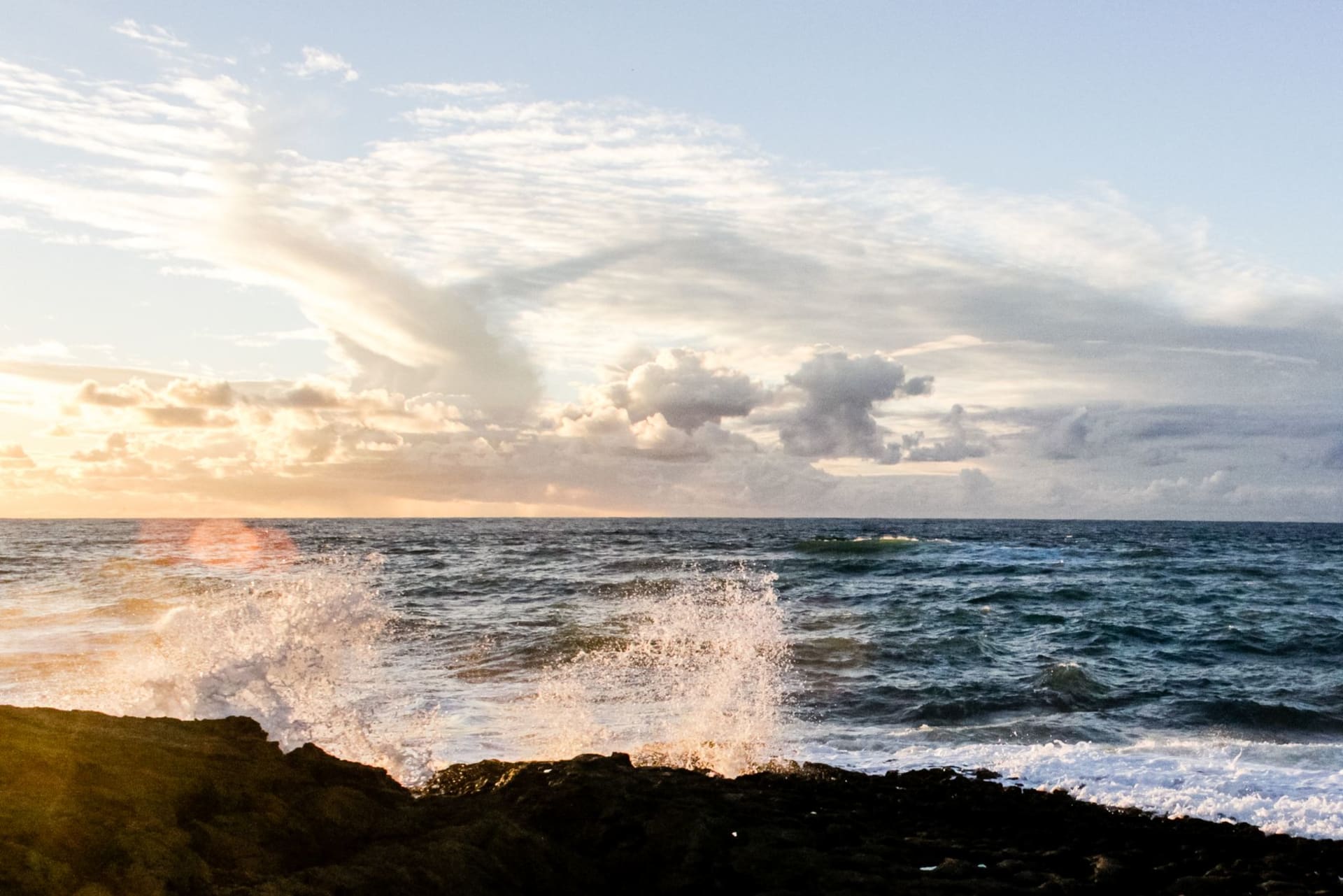
In the late afternoon I walked to the clifftop at the edge of town where the land drops sheer to the sea — a dramatic fall of dark basalt cliffs into the Atlantic, the fishing boats visible far below as bright spots of colour on deep blue. This is one of the most abrupt coastlines in the archipelago, the island plunging almost without transition from volcanic heights to ocean. Standing at the edge with the wind pulling at my shirt and the sun making its approach to the sea, I felt the particular Cape Verdean feeling of being at once in the middle of everything and very far from anywhere.
When to go: November through April for the coolest, clearest weather. Visit during the Festivals of Patron Saint São Filipe in late April or early May for the town’s most animated period — music in the square, grogue at every corner, and the kind of collective happiness that small towns generate when they are celebrating themselves. The volcano is visible year-round but most sharply in the dry season.