Campo Grande
"Everyone passes through Campo Grande. Almost no one stays long enough to notice it's worth staying for."
The Cidade Morena — Mato Grosso do Sul's red-earth capital and the practical gateway to the Pantanal and Bonito.
Campo Grande gets treated as a layover — the airport you land in before a shuttle whisks you toward the Pantanal or Bonito, three and a half hours down the highway. I did the same thing on my first trip through Mato Grosso do Sul, in and out in under twenty hours, and it wasn’t until a delayed connection stranded Lia and me for a full extra day that I actually looked at the place. It earned the look. Locals call it the Cidade Morena — the “brown city” — for the reddish, iron-rich soil that stains everything from the sidewalks to the roots of the enormous trees lining Avenida Afonso Pena, one of the widest boulevards in Brazil.
A City Built on Distance
Campo Grande exists because of scale. It sits almost exactly at the geographic center of South America, a fact the city seems quietly proud of, and its wide streets and low skyline reflect a place designed for a region rather than a crowd. The Feira Central, held Wednesday and Saturday nights, is where that regional identity shows up most vividly — Paraguayan vendors, Bolivian traders, and indigenous Terena and Guató sellers share the same stalls, and the food reflects the border-town mix: sobá noodle soup, a Japanese-Paraguayan hybrid dish that exists almost nowhere else, sits next to chipa bread and tereré, the cold version of mate that everyone in the city seems to be carrying in an insulated cup regardless of the hour.
The Museums Nobody Mentions
The Museu das Culturas Dom Bosco surprised me more than anything else in the city — an enormous, slightly chaotic collection of indigenous artifacts, taxidermied Pantanal wildlife, and Paraguayan War relics assembled by missionaries over a century. It has the disorganized charm of a cabinet of curiosities rather than a polished modern museum, and I spent two hours in a building I’d budgeted thirty minutes for. Lia found the indigenous textile displays worth lingering over longest — weavings from Terena communities that you won’t see represented nearly as well anywhere closer to the coast.
Why It’s Worth the Extra Day
Practically speaking, Campo Grande is where you outfit yourself before heading into the wetlands or the rivers — the last real city with proper gear shops, ATMs, and reliable pharmacies before Bonito’s small-town rhythm or the Pantanal’s total remoteness take over. But treating it purely as logistics undersells it. The Parque das Nações Indígenas, a sprawling green space near the university, is where the city actually relaxes — joggers, families, and food trucks under jacaranda trees that turn the whole park purple in September. If your flight connection gives you even half a day, take it.
When to go: April through September for cooler, drier weather and jacaranda bloom toward the end of that window. It’s a year-round transit hub either way, so timing matters more for comfort than access.
Keep exploring
More from Brazil
 brazil
 Campos do Jordão
A mountain town that decided to look Swiss and mostly succeeds, where São Paulo goes to wear a coat and drink fondue in July.
Explore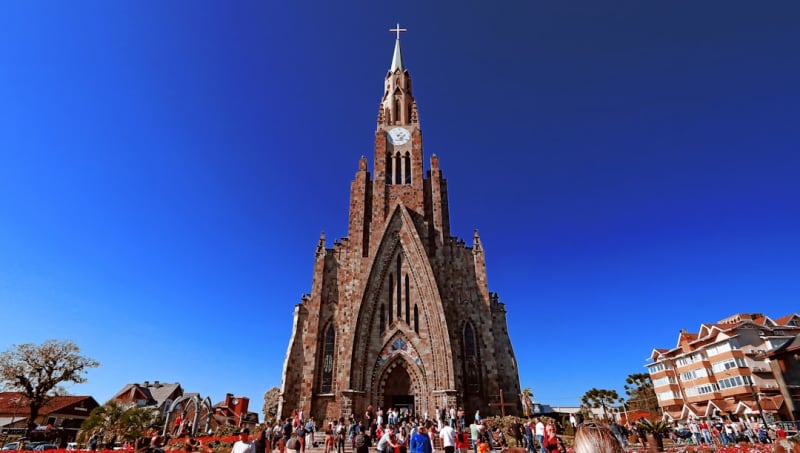 brazil
 Canela
Gramado's quieter mountain neighbour, built around a Gothic cathedral and one of southern Brazil's most dramatic waterfalls.
Explore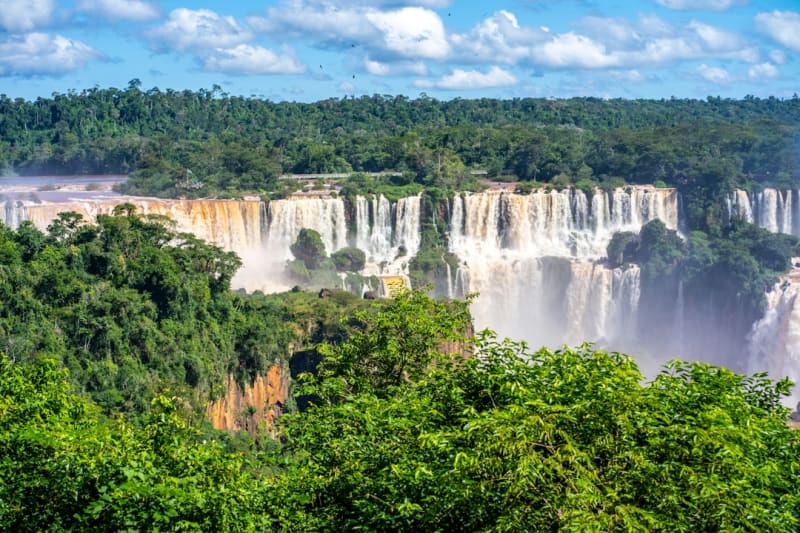 brazil
 Capitólio
A reservoir in southern Minas Gerais where the flooded canyon walls of the Rio São Francisco have earned it the nickname 'Brazilian Fiordland,' waterfalls and all.
Explore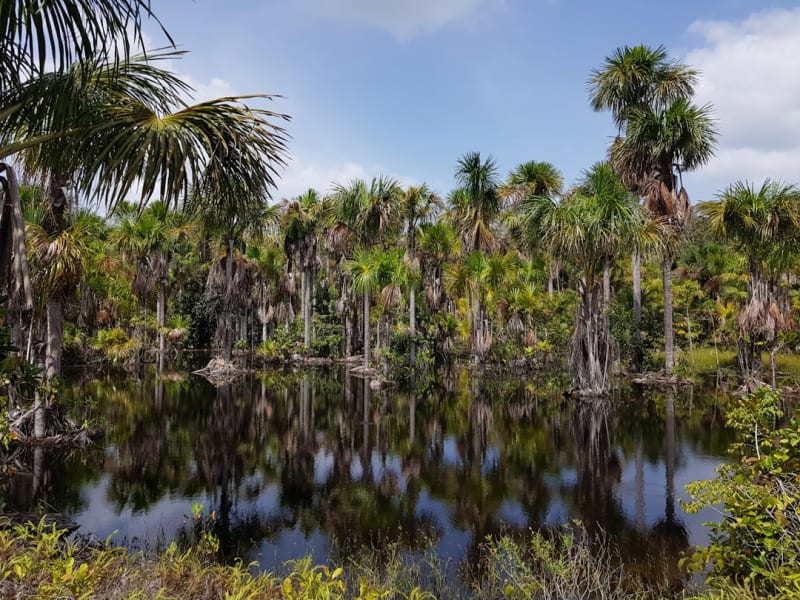 brazil
 Carolina
A quiet southern Maranhão town built around the Cachoeira de Itapecuru, a wide curtain waterfall that locals swim beside like it's an ordinary Tuesday.
Explore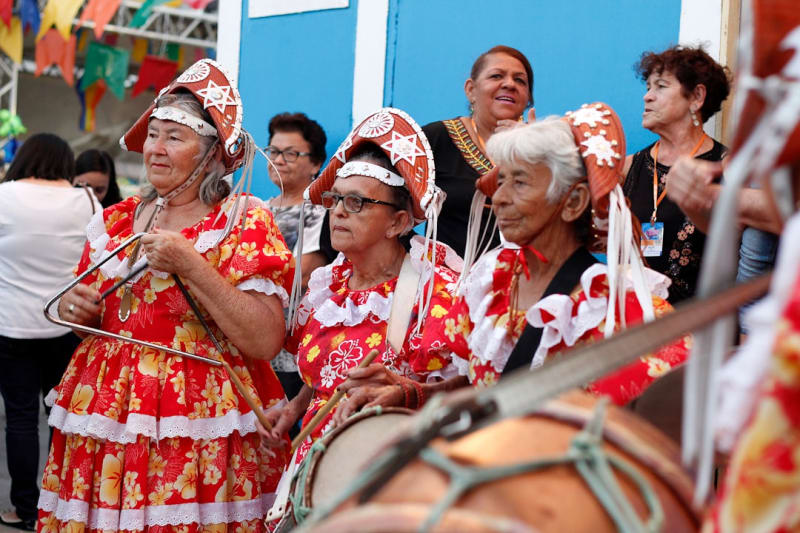 brazil
 Caruaru
The interior capital of forró and São João, where the biggest street party outside carnival takes over an entire Pernambuco town every June.
Explore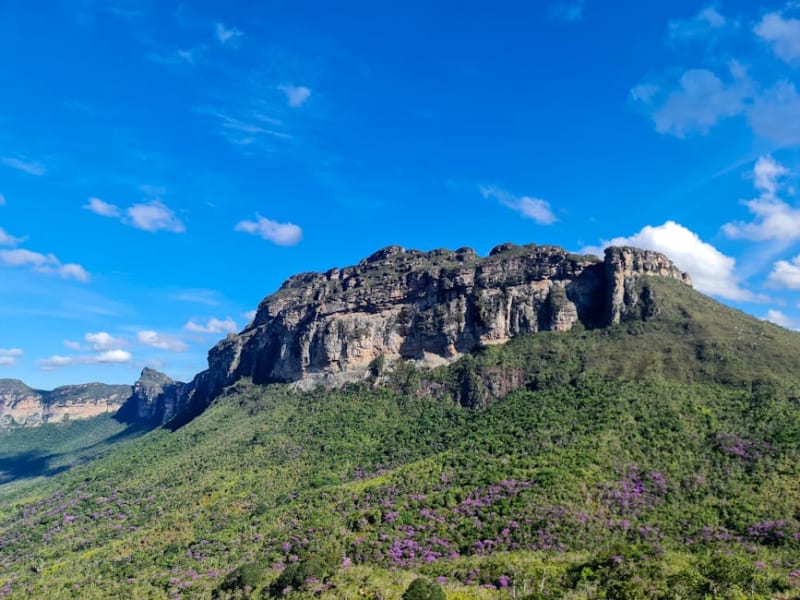 brazil
 Chapada Diamantina
Table-top mountains, underground rivers, and a hiking paradise hidden in the interior of Bahia.
Explore