
Valle de Guadalupe
"I ate grilled abalone with a glass of Nebbiolo in a vineyard at noon and understood why people move to Baja."
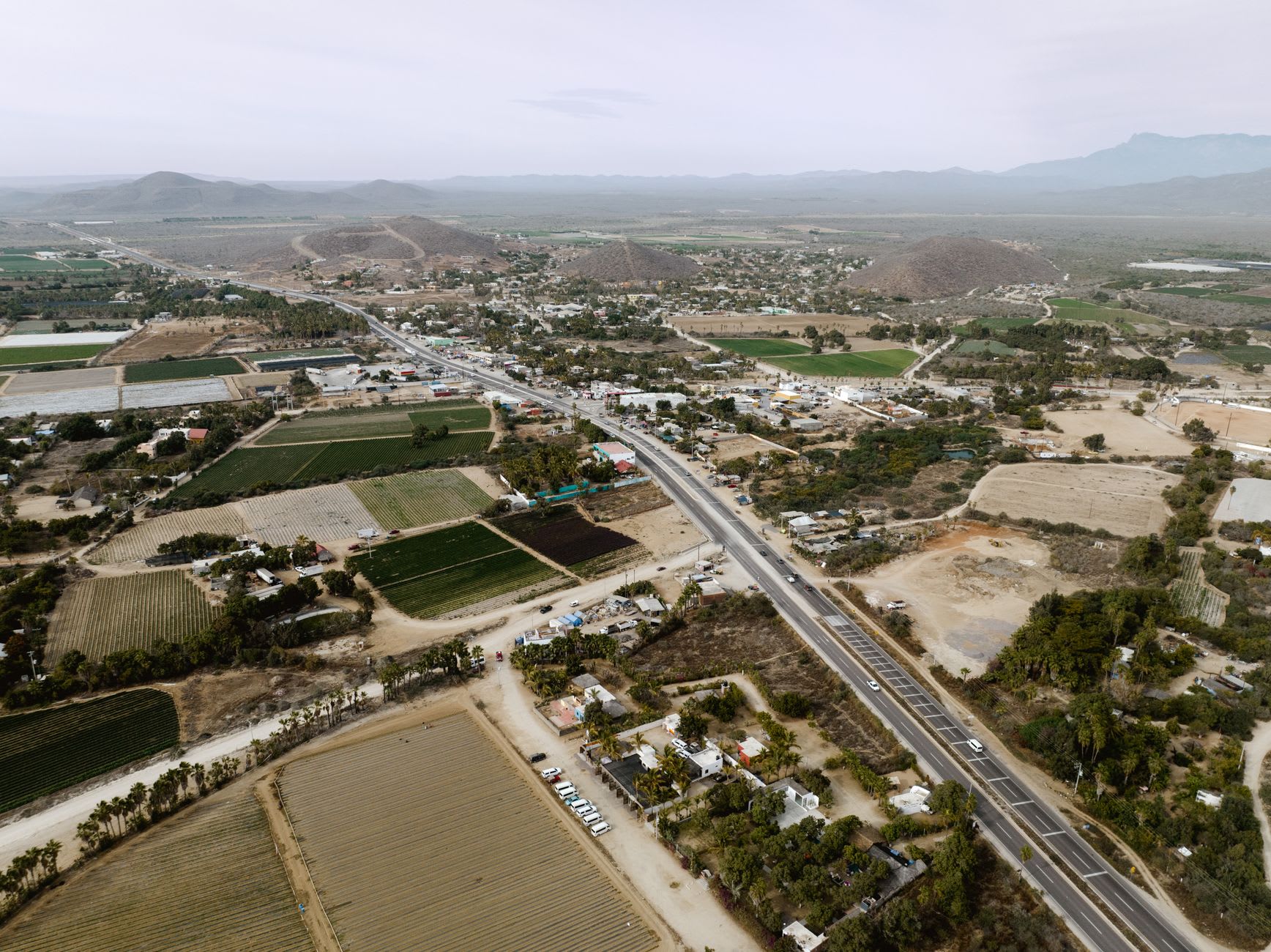
The valley announces itself through heat shimmer and the smell of something — grape must, dry earth, a particular kind of dust that only exists where volcanic soil meets Mediterranean climate near a Pacific coast. I turned off the main highway just past Ensenada and the road narrowed immediately, unpaved stretches appearing without warning, and then I crested a small rise and the valley opened below me — a patchwork of vine rows, olive trees, adobe walls, and the scattered metal-roofed structures of a wine country that has been building itself almost by accident since the 1980s.
The wines here are nothing like what you expect if you’ve been formed by European categories. The Nebbiolo grows alongside Tempranillo and Grenache and varieties I’d never heard of, all of them producing something that carries the specific character of this place — mineral, with a dryness that comes from the Pacific influence, and a certain rusticity that the winemakers seem uninterested in refining away. I spent a morning at a small bodega where the owner, a third-generation Guadalupan who had studied enology in Montpellier, poured me seven different wines from barrels still aging. She talked about the soils the way someone might talk about a family member. There was no pretension in it. Just real attention.
The food culture in the valley has become, quietly, one of the more exciting things happening in Mexican gastronomy. It is not fine dining in the conventional sense — most of the famous restaurants are essentially outdoor structures: pergolas over dirt floors, wood-fire grills under open sky, concrete tables set among the vines. But the cooking is serious. Chefs work with local abalone and clams, with lamb raised in the hills above the valley, with cheeses made at small ranches tucked into the arroyos. At one place I ate a single course of grilled lobster in butter with fresh tortillas and an herb salad from the garden, and the simplicity of it was a kind of argument — against complication, against the idea that food needs to perform.
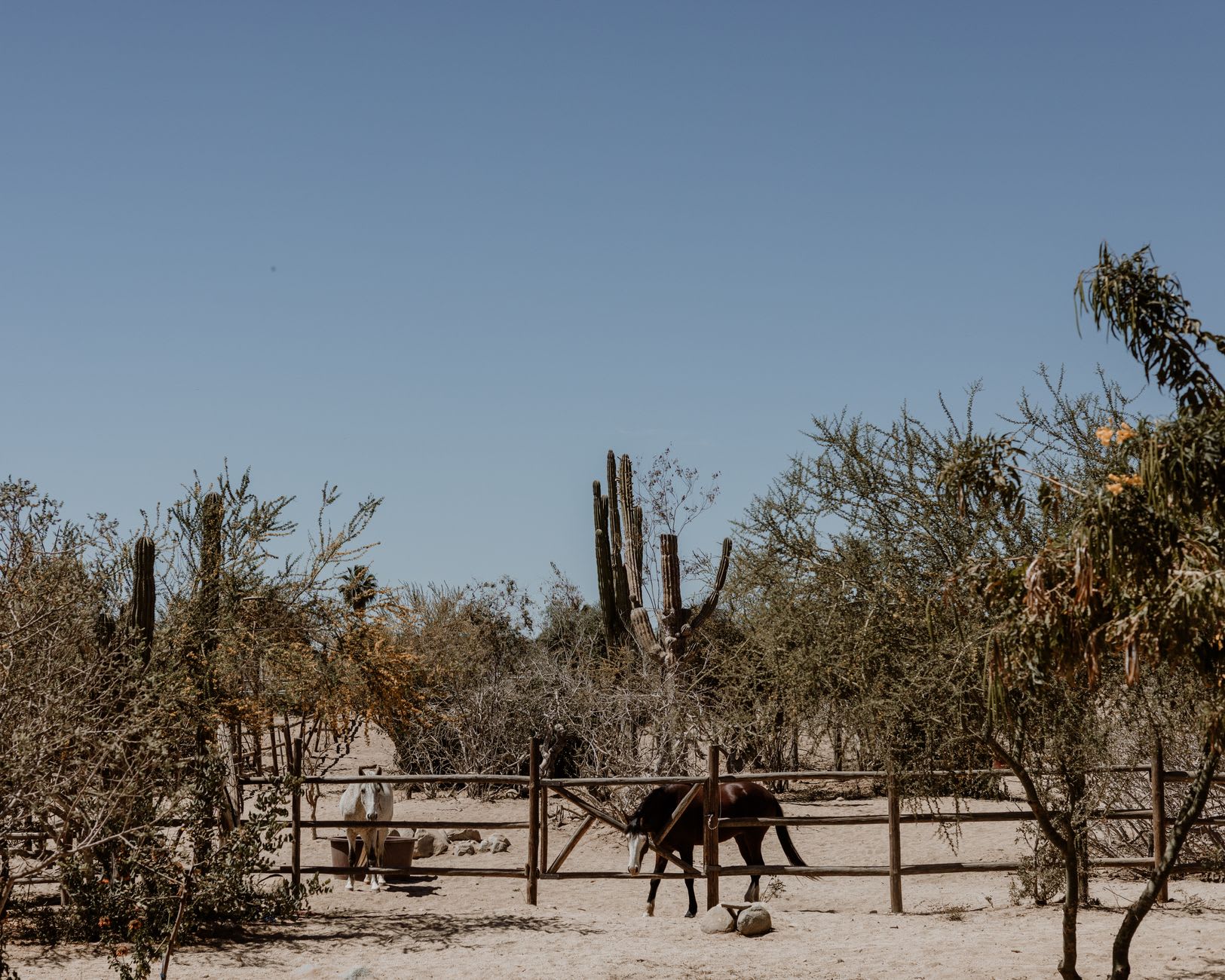
The valley fills on weekends from July through November with the Baja California urban classes — Tijuana, Ensenada, and Mexico City crowds who drive in for the day. Weekdays are different. A Tuesday morning finds the roads mostly empty, the tasting rooms quiet, a dog sleeping in the shade of a cardon cactus that has managed to establish itself between two vine rows. I liked the valley most at this pace, when it was possible to stop at a rancho with a handwritten sign offering “queso artesanal” and spend forty minutes talking to the woman making it about the goats, the spring, the peculiar microclimate of her small corner of the valley.
There is an ease to the valley that I did not expect. It is not trying to be somewhere else. The restaurants close when the family gets tired. The wineries run out of certain bottles and shrug. A rooster interrupts the most atmospheric tasting. This informality is not carelessness — it is just a different relationship with the whole apparatus of hospitality, one that insists on its own terms.
When to go: August and September for the harvest — the valley smells of fermenting juice and every winery has activity. The Feria del Vino in August is genuinely festive. March through June is quieter and cooler, which I preferred. Avoid holiday weekends in July and August unless crowds are part of the appeal for you.