Salzkammergut
"Salzkammergut is the Austria that Austria puts on its posters, and it lives up to every one of them."
A lake district of picture-perfect Alpine villages scattered between the UNESCO heritage area that inspired Sound of Music — the original Austrian postcard.
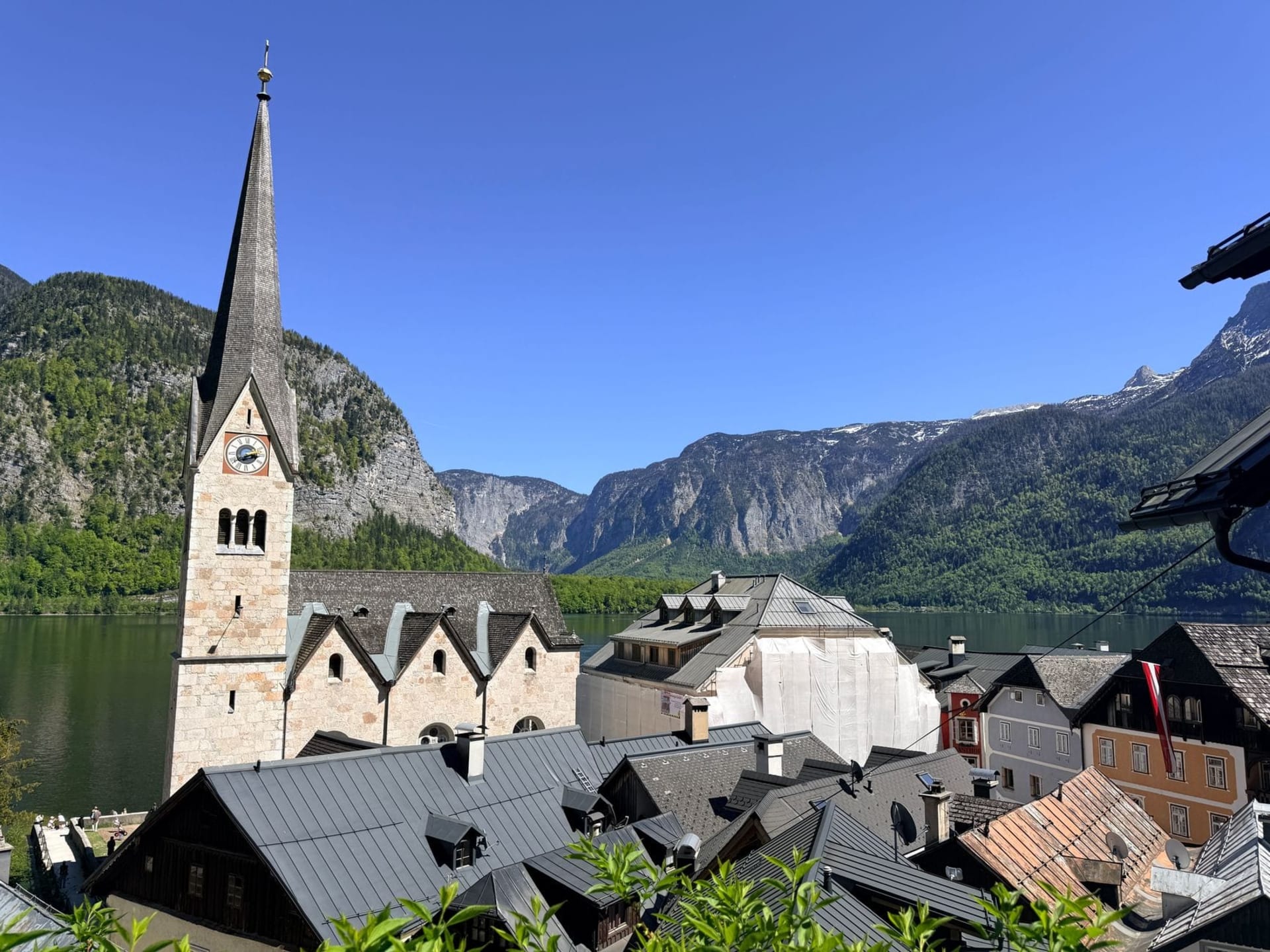
I had braced myself for disappointment. Any place this photographed — Hallstatt alone has been cloned in full-scale replica somewhere in China — tends to collapse under the weight of its own image. But standing at the edge of the Hallstätter See at seven in the morning, before the first tour boat had cut a single wake across the water, I felt the particular embarrassment of being proven wrong by a postcard.
The lake was a sheet of pewter. The village clung to its narrow ledge between cliff and shore like it had always been negotiating its right to exist. Somewhere above the Marktplatz, a church bell cleared its throat. The air smelled of cold water and pine resin and something faintly mineral — the salt that gave this whole region its name, extracted from these mountains for seven thousand years.
Between the Lakes
The Salzkammergut is not one place but several dozen places connected by water. Lake Wolfgangsee, lake Attersee, lake Traunsee — each has its own color, its own speed, its own villages with their geranium-red window boxes and their ferries running schedules that have barely changed in decades. Lia and I spent three days just moving between them, eating Kaspressknödel — dense, pan-fried cheese dumplings — at lakeside Gasthäuser where the menus were handwritten and the portions were unambiguous.
In St. Wolfgang, I walked up to the pilgrimage church of St. Wolfgang am Abersee and found the fifteenth-century Pacher altarpiece inside: an explosion of gilded Gothic figures that no photograph has ever done justice to. Standing in front of it, I felt the same mute shock I get from great painting — the feeling that someone once cared so precisely and so completely about this one thing.
The Surprise at Obertraun
What I hadn’t expected was the Dachstein Ice Caves. From Hallstatt we took the ferry across, then a gondola up, then walked into the mountain through an entrance that exhaled cold breath like something living. Inside, frozen waterfalls hung suspended mid-collapse. A formation called the Giant Ice Chapel had been growing in the same direction for centuries. The guide told us it would be gone within a generation, melted by the warming mountain. We stood there for a long time without saying much.
Outside, back in the afternoon light, the lakes spread out below us like spilled mirrors.
When to go: Late May through early June, or September — after the snow clears but before the summer crowds condense in Hallstatt, and when the light on the water has that particular long-angled quality that makes everything look like a painting you haven’t earned yet.