
Perito Moreno Glacier
"It is one of the only glaciers left on Earth that is still moving forward."
A five-kilometer wall of advancing ice that calves into Lago Argentino with a sound like artillery.
I’ve stood in front of a lot of things travel writers describe as humbling, and mostly I’ve thought the word was doing more work than the view. Perito Moreno is the exception. Lia and I took the first boat out of El Calafate to reach the viewing platforms before the crowds, and even braced for scale, I wasn’t braced enough. The glacier presents a face nearly five kilometers wide and up to seventy meters tall, a jagged blue-white cliff of compressed ice pressing directly into the milky turquoise of Lago Argentino, and it does not sit quietly. It groans. It cracks. Every few minutes something shifts deep inside it with a sound that carries across the water like a rifle shot from a mile off.
What makes Perito Moreno genuinely unusual, and the reason glaciologists watch it so closely, is that it’s one of the few glaciers on the planet that isn’t in retreat. It advances roughly two meters a day, grinding forward into the lake until the pressure of the water undercuts the ice and produces a rupture — a dramatic, periodic collapse of the entire ice dam that happens every few years and draws crowds who plan trips around the possibility. We weren’t there for a full rupture, but we watched an apartment-sized serac shear away and crash into the water below, and the wave it threw up rocked boats that were, I’d guessed, a very safe distance away. They weren’t as safe as I’d assumed.
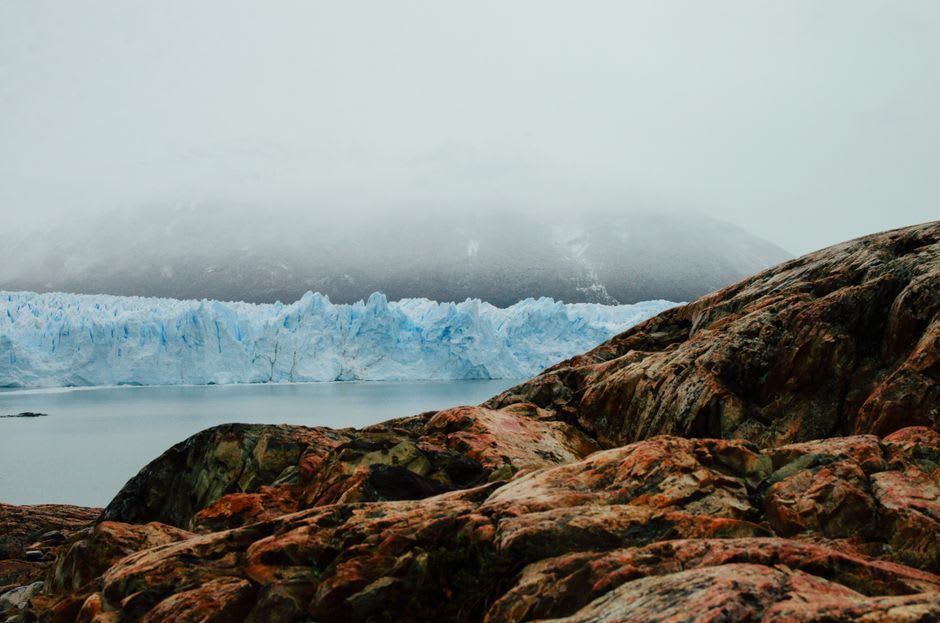
The steel walkways built across the hillside facing the glacier are, on their own, a small feat of engineering — a network of platforms and staircases that let you approach the ice from a dozen different angles and elevations without a guide. I spent close to three hours moving between them, and I’d recommend budgeting at least that long. The light changes constantly, clouds moving in off the Andes and clearing again, and the blue of the ice shifts with it — sometimes a hard cobalt, sometimes an almost internal glow, the compressed density of the glacier absorbing every color of light except the one it can’t hold onto.
We also did the ice trek — Big Ice, the full-day version — which involves crossing by boat to the glacier’s flank, strapping on crampons, and spending several hours actually walking on the ice itself. It’s a different register of experience entirely. Up close, the glacier is riddled with crevasses that plunge into a blue so saturated it looks lit from within, and moulins where meltwater disappears straight down into the ice with a hollow, echoing rush. Our guide chipped ice directly from a stream for the whiskey we drank at the end of the trek, sitting on a rock outcrop with the glacier’s white expanse running out toward the mountains. It remains one of the strangest, best afternoons I’ve had anywhere.
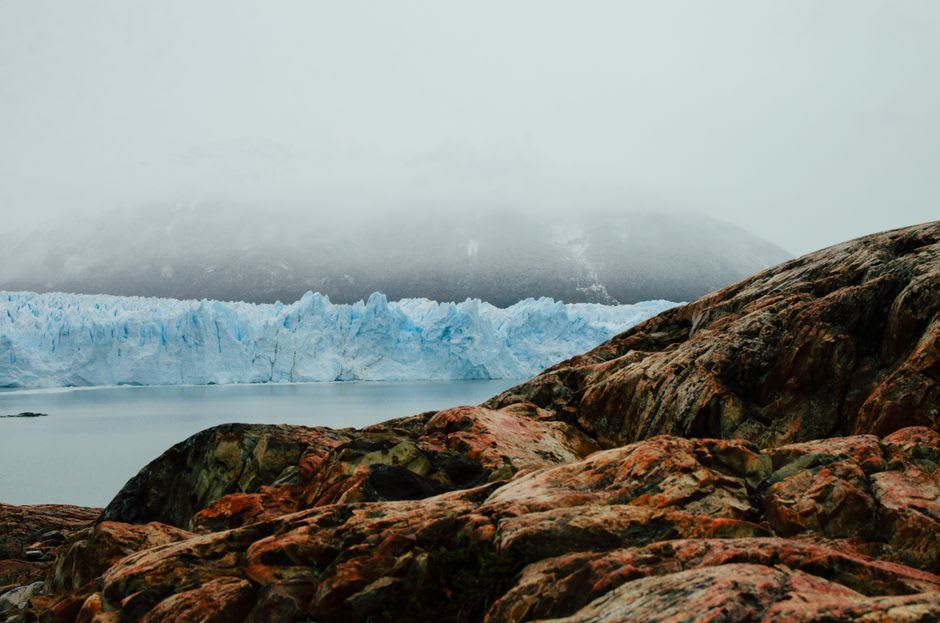
When to go: The glacier is accessible year-round and is, honestly, at its most dramatic in the cooler months when calving activity tends to pick up. October through April is easiest logistically, with stable weather and full boat schedules. Arrive at the walkways early — by mid-morning, the platforms fill with tour groups, and the wait for the best viewpoints stretches long.
Keep exploring
More from Argentina
 argentina
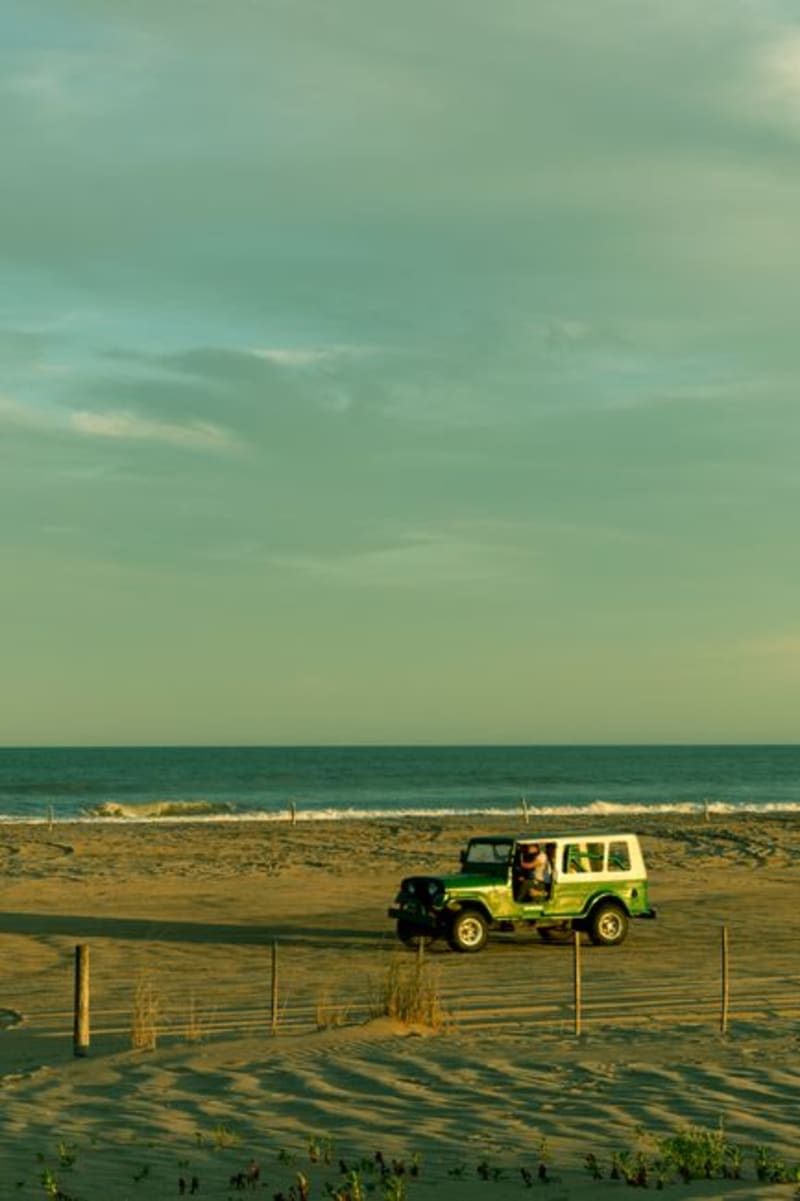
 Pinamar
A pine-forested beach resort on the Atlantic coast where Buenos Aires' upper crust builds architect-designed beach houses among the dunes.
Explore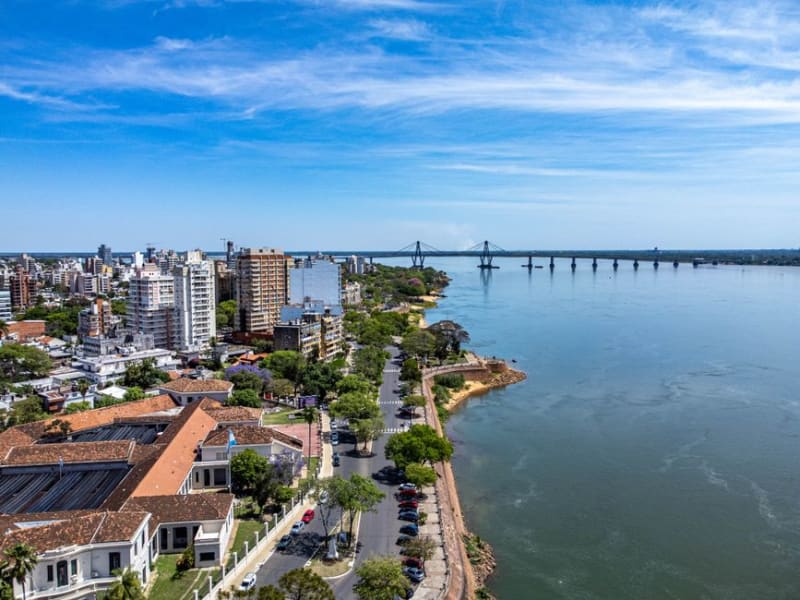 argentina
 Posadas
Misiones' river capital, rebuilt along a wide Costanera on the Paraná, with Paraguay visible across the water.
Explore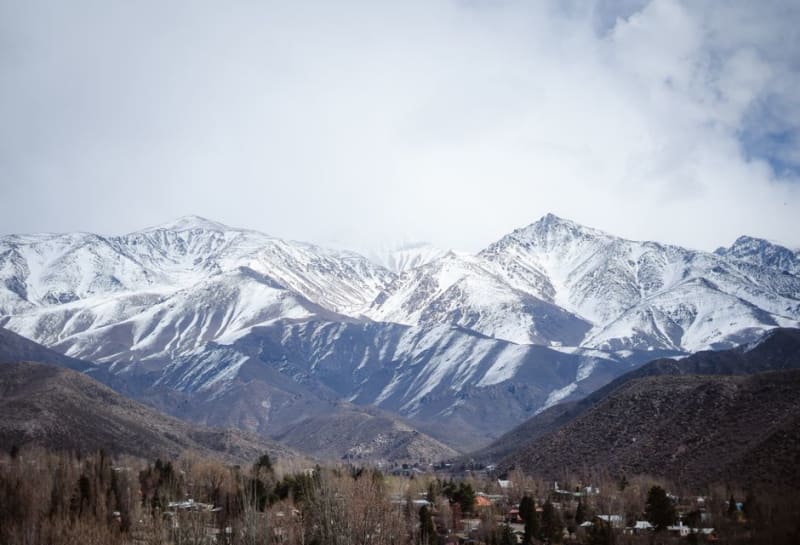 argentina
 Potrerillos
A turquoise mountain reservoir an hour from Mendoza city, and the launch point for the province's best adventure sports.
Explore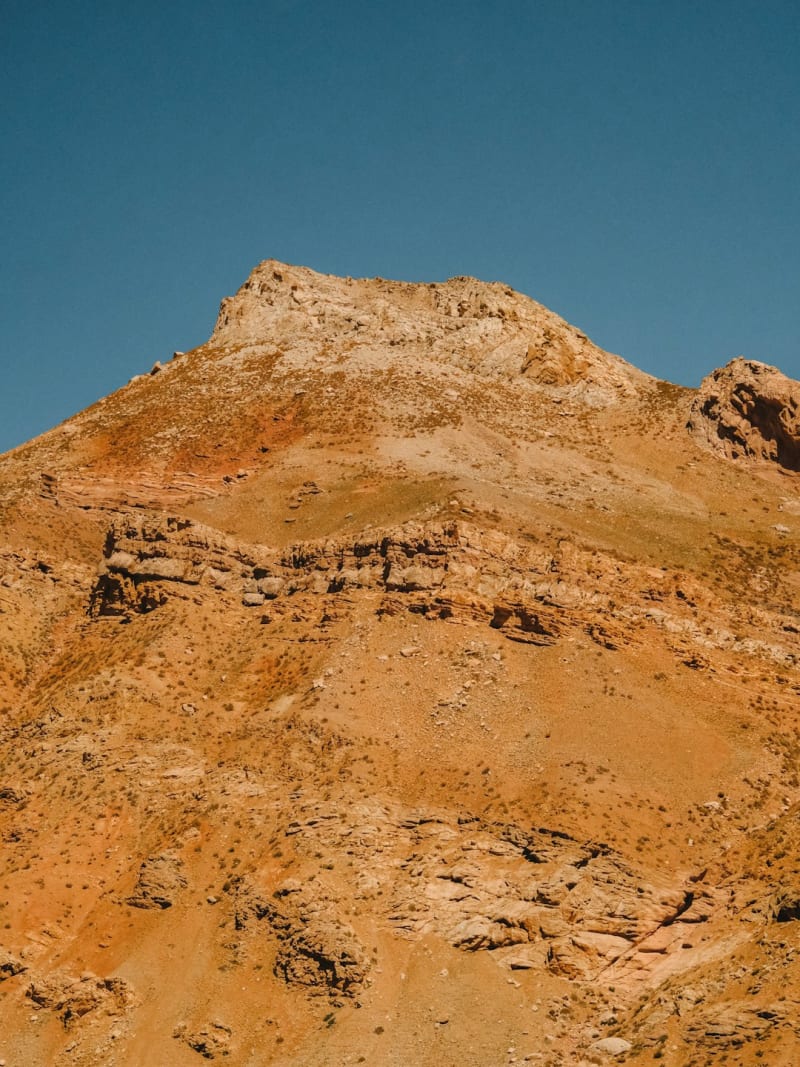 argentina
 Puente del Inca
A natural rock bridge stained sulfur-yellow by thermal springs, and the ruins of a spa town the mountain eventually reclaimed.
Explore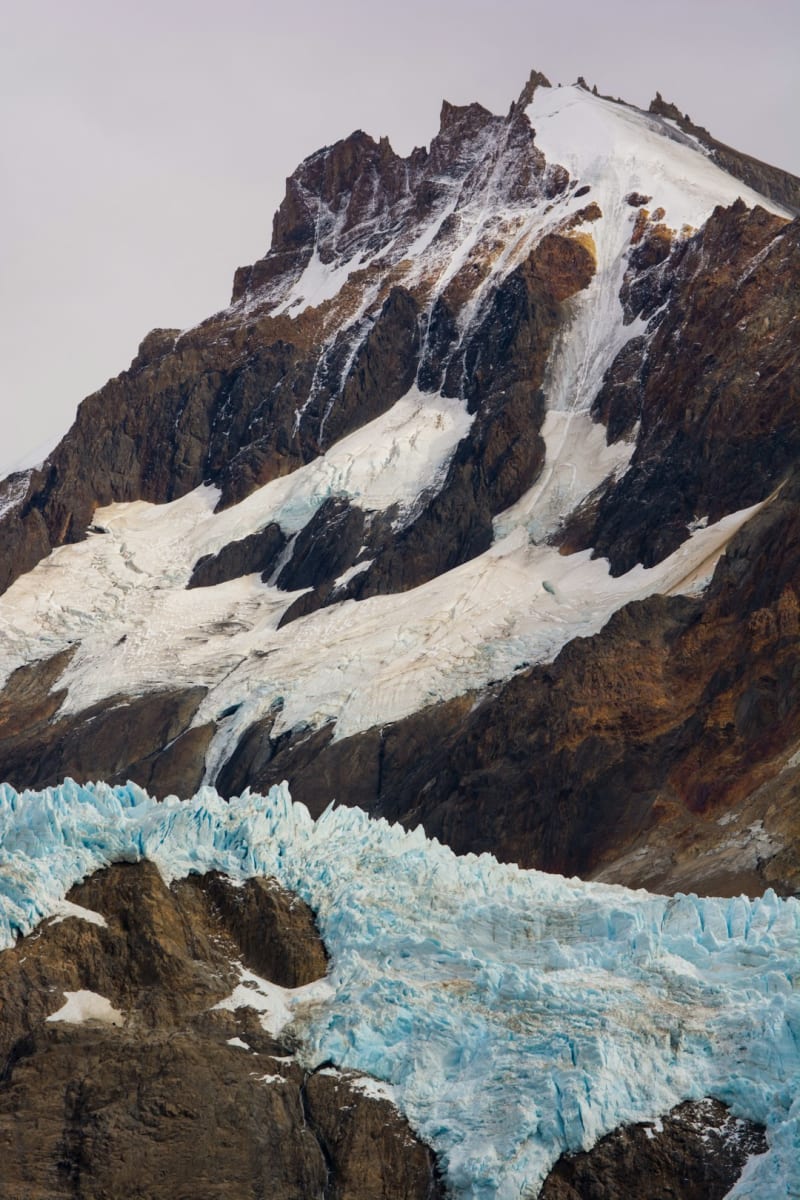 argentina
 Puerto Deseado
A remote Santa Cruz fishing town where fjord-like cliffs shelter penguin colonies and the world's only red-legged cormorant nesting site.
Explore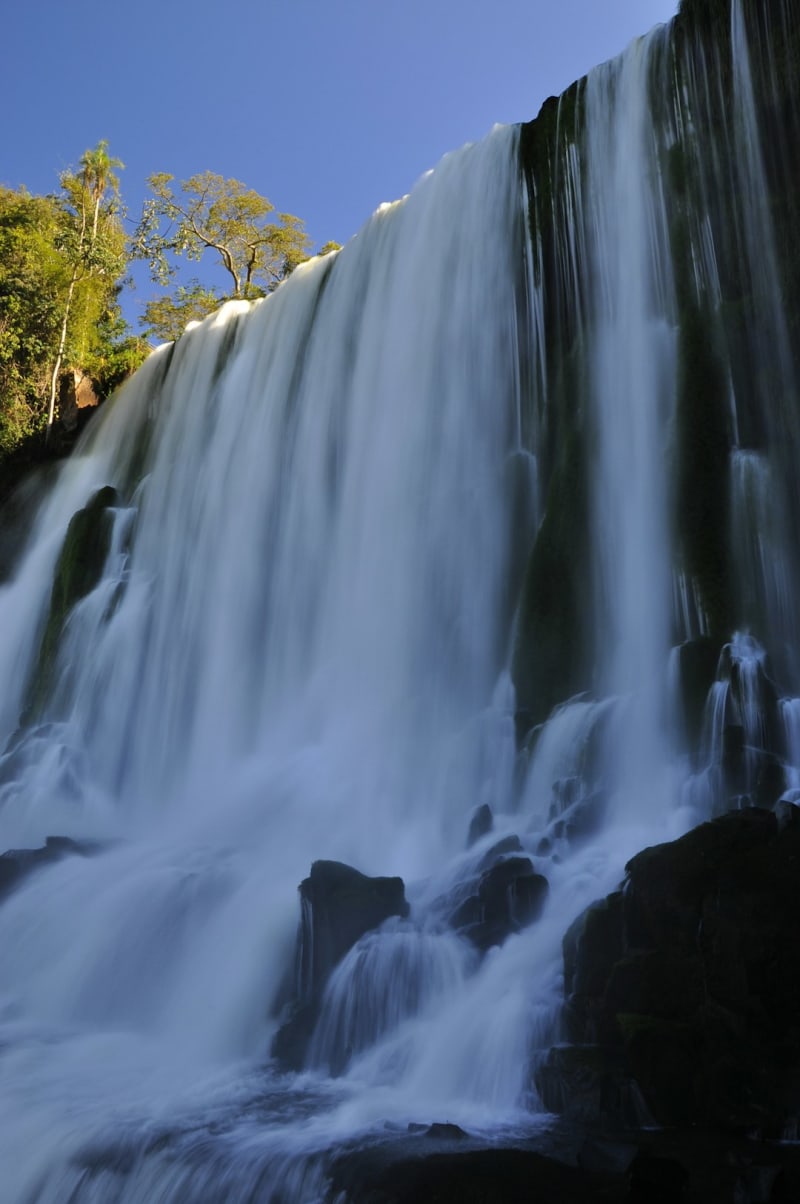 argentina
 Puerto Iguazú
The relaxed Argentine gateway town to Iguazu Falls, where the Paraná and Iguazú rivers meet three countries at once.
Explore