Chascomús
"Chascomús is the pampas doing its quietest, most patient impression of itself."
A pampas lagoon town where gaucho tradition meets some of Buenos Aires province's best birdwatching.
I’ll be honest — we ended up in Chascomús mostly because it sat conveniently between Buenos Aires and a longer drive south, and I expected a forgettable overnight stop. It turned out to be one of those places that rewards low expectations, a genuinely lovely lagoon town that most visitors to Argentina never hear about because it doesn’t have a single headline attraction, just a very good, very calm whole.
The Lagoon
Laguna de Chascomús is the town’s entire reason for being — a broad, shallow body of water ringed by a park and a long costanera walkway, and at dawn, when we finally dragged ourselves out for a walk, the stillness of it was total. Coots, herons, black-necked swans, and a pair of southern lapwings that wouldn’t stop scolding us from a fence post. It’s not a famous birdwatching destination the way Esteros del Iberá is, but the accessibility is the whole appeal — you don’t need a guide or a boat to see plenty here, just a coffee and a bench.
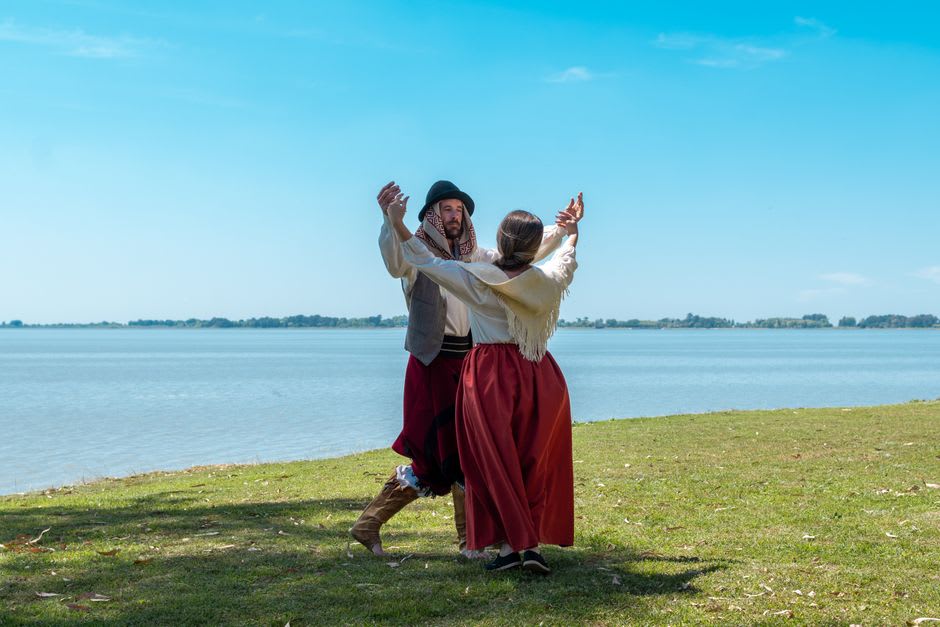
Rowing clubs line the shore, several of them well over a century old, their wooden boathouses looking as if they hadn’t changed since the town’s belle-époque peak as a weekend retreat for Buenos Aires’s elite.
Gaucho Country
Chascomús sits at the heart of ranching pampas, and the town leans into that identity without ever feeling staged — the Museo Pampeano, housed in a former colonial cabildo on the plaza, covers the region’s indigenous and gaucho history with more depth than its modest size suggests. A short drive out, a handful of estancias host asados and horsemanship in a way that felt less curated for tourists than the bigger operations closer to San Antonio de Areco.
We ate at a parrilla just off the plaza where the owner’s father, we were told, had supplied beef to the same restaurant for forty years — the kind of detail that only comes up in a town small enough that everyone still tells you their family history unprompted.
When to go: Spring and autumn for the mildest weather and best birdwatching conditions at the lagoon. It’s an easy stop en route between Buenos Aires and the Atlantic coast, worth breaking a drive south for.
Keep exploring
More from Argentina
 argentina
 Chilecito
A former mining boomtown in La Rioja province where a century-old cable car system still climbs the mountains above the vineyards.
Explore argentina
 Chos Malal
A dusty, historic town in northern Neuquén where the lake district's forests give way to Andean high desert.
Explore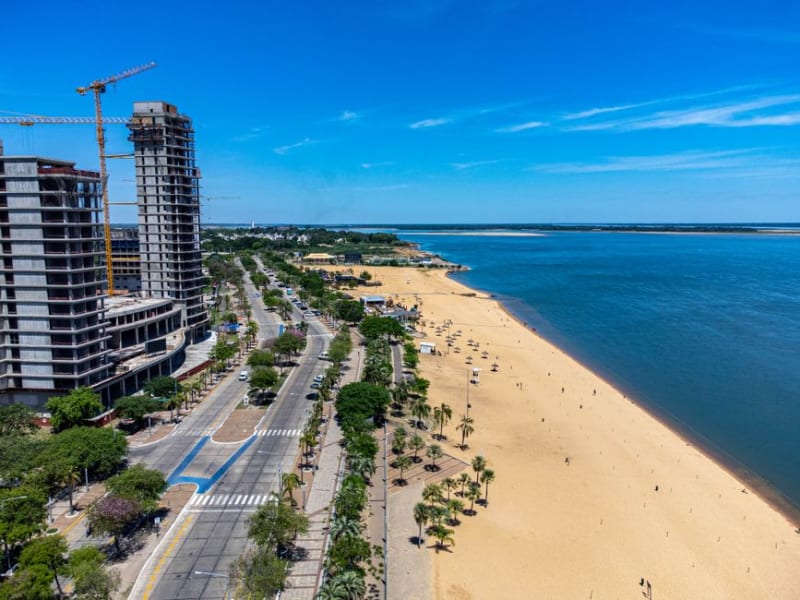 argentina
 Colón
A riverside resort town on the Uruguay with the country's finest beaches on this bank, and El Palmar's palm groves just south.
Explore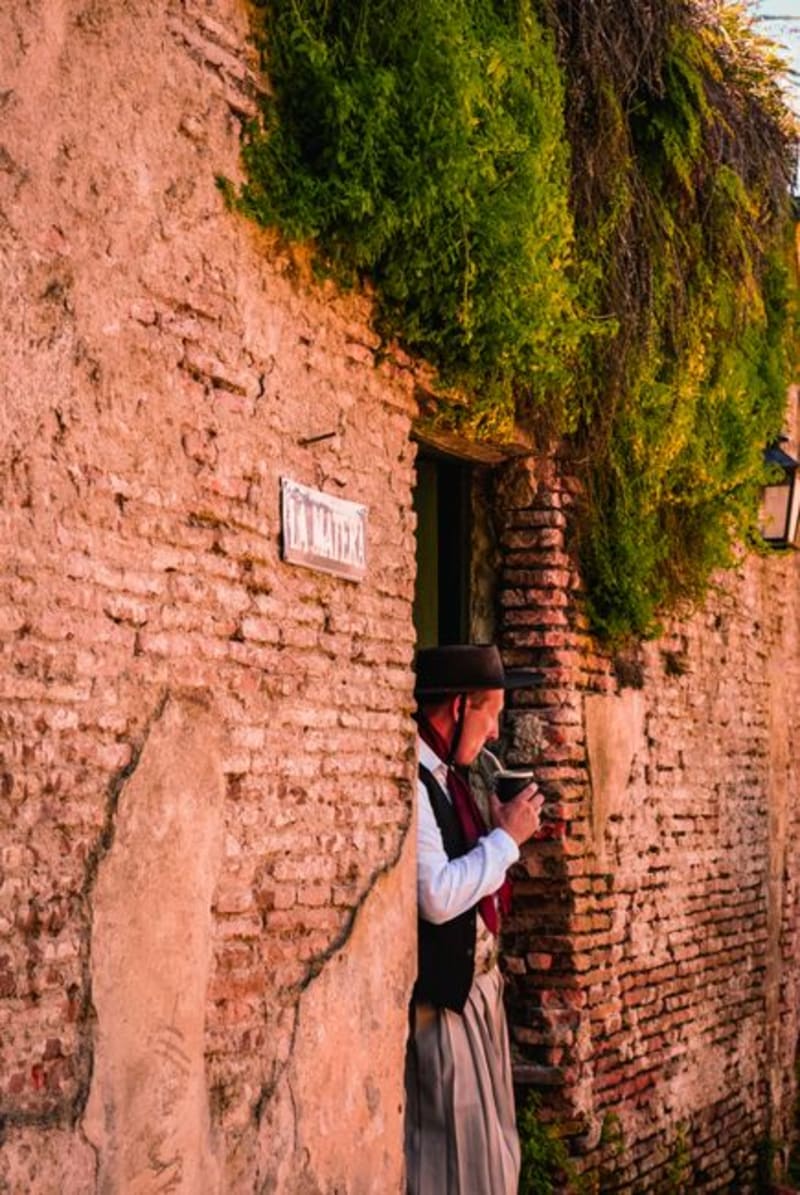 argentina
 Colonia Carlos Pellegrini
A one-street village floating inside the Esteros del Iberá, where capybaras outnumber people and every lodge doubles as a boat dock.
Explore argentina
 Comodoro Rivadavia
A rugged Atlantic oil city in Chubut, built on drilling booms and battered by some of Patagonia's fiercest coastal winds.
Explore argentina
 Concordia
A citrus-country river city on the Uruguay, home to the Salto Grande dam and some of Entre Ríos' best orange groves.
Explore