Bahía Blanca
"The last real city before Patagonia starts asking questions about how much fuel you have."
A working port city at the southern edge of Buenos Aires province, home to the country's main naval base and a grain economy that runs the town's rhythm.
Bahía Blanca is not a place people travel to so much as a place people travel through, and I want to be upfront that I went in expecting exactly that — a fuel stop and a night’s sleep on the long haul south toward Patagonia. It earned more than that from me, mostly because I hadn’t understood how much of Argentina’s grain and naval infrastructure runs through this one unglamorous port city, and once I noticed it I couldn’t stop noticing it.
A City Built Around Grain and Navy
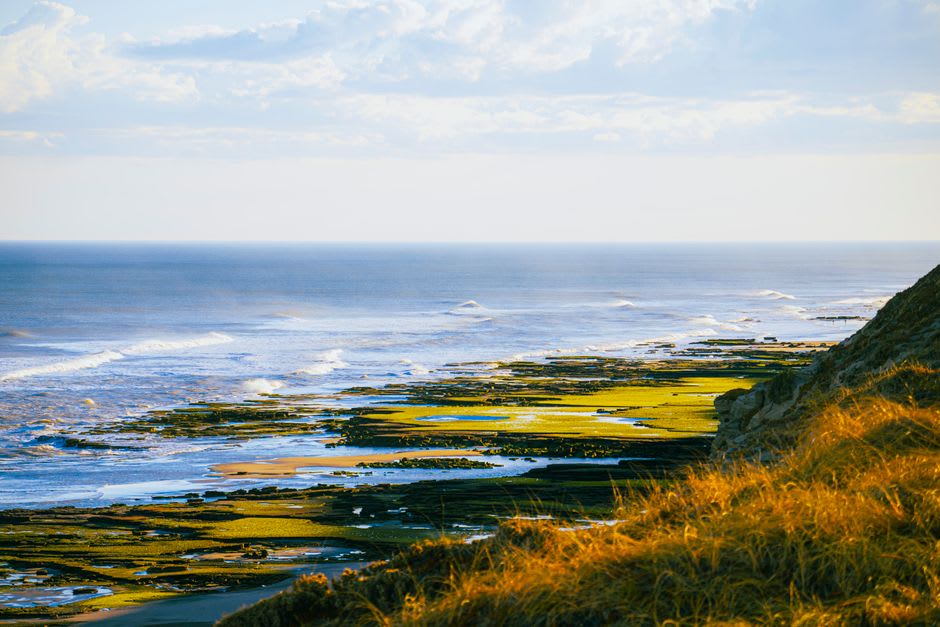
The Bahía Blanca estuary is the deepest natural harbor on the Atlantic coast of South America, and the skyline downtown reflects it in an odd, almost accidental way — grand early-twentieth-century buildings from the wheat-export boom sit a few blocks from the naval base at Puerto Belgrano, one of the largest in Latin America, and the two economies, agriculture and military, have shaped the city without ever quite talking to each other. I drove out along the estuary road one evening and watched grain silos lit up against a sky the color of a fresh bruise, cranes working late, and it had a strange, industrial beauty I didn’t expect to feel moved by.
Plaza Rivadavia and the Center
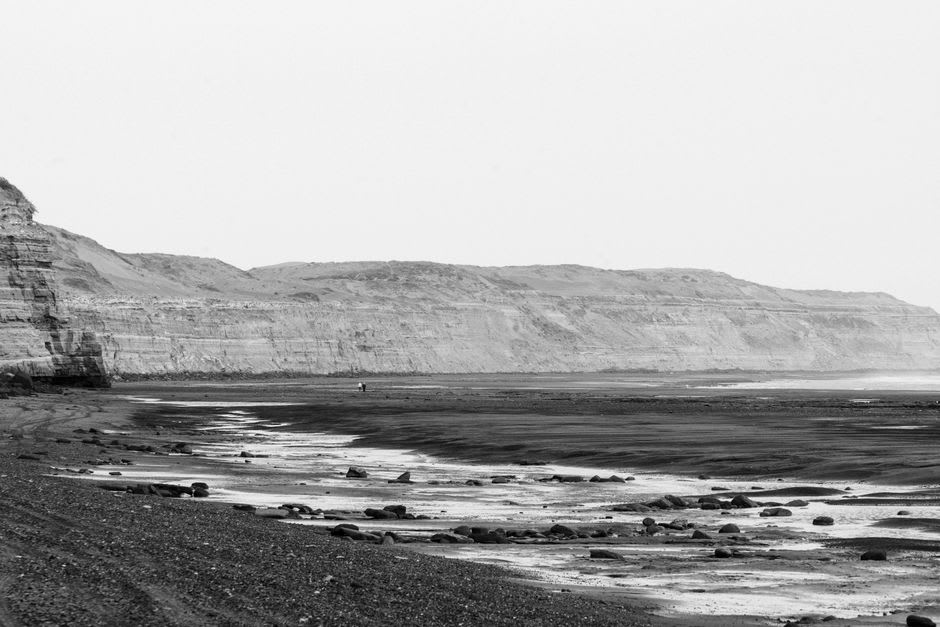
The center of town, around Plaza Rivadavia, has an old-money solidity to it — the Municipalidad building, the cathedral, a scattering of Italianate facades from a wealthier era, all arranged around a square with enough mature trees that the summer heat felt manageable in a way I hadn’t expected this far south. Lia found a bookstore just off the plaza that had clearly been in the same family for decades, run by a man who talked to us for twenty minutes about the wheat trade before either of us said we weren’t buying anything about the wheat trade.
What the City Actually Is
I think what I liked about Bahía Blanca in the end was that it doesn’t try to be a destination. It’s an actual functioning mid-size Argentine city with its own economy and its own slightly formal, port-town seriousness, and stopping there felt less like sightseeing and more like getting an honest read on a part of the country most itineraries skip entirely on the way to somewhere prettier.
When to go: October through April, avoiding the sharp winter winds that come off the Pampas in June and July. It works well as a one- or two-night stopover en route to Patagonia rather than a standalone destination.
Keep exploring
More from Argentina
 argentina
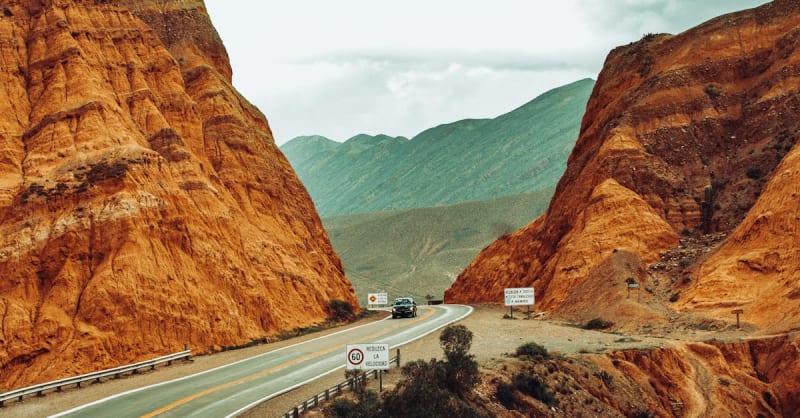
 Bariloche
The Argentine Lake District's chocolate-box town — alpine scenery, craft beer, and Patagonian charm.
Explore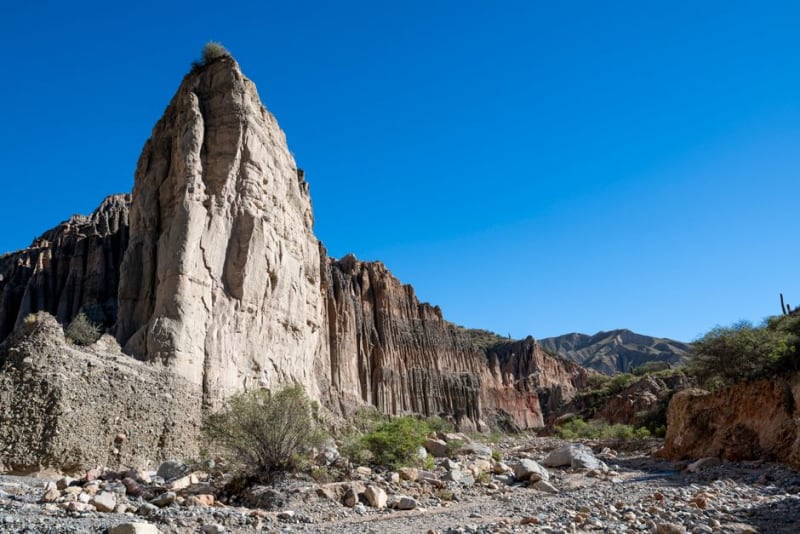 argentina
 Barreal
A high desert valley in San Juan province where the wind drives sailcarts across a dry lakebed under some of Argentina's darkest skies.
Explore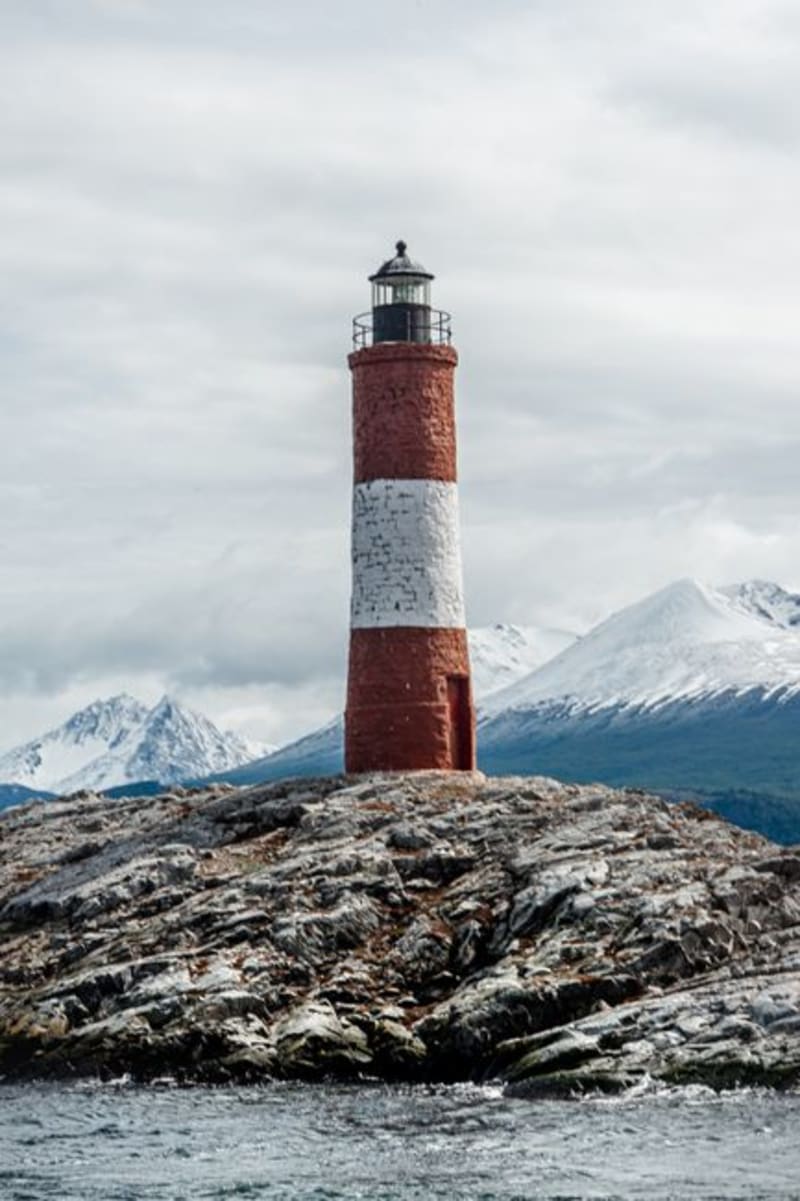 argentina
 Beagle Channel
The strait between continents — sea lion colonies, penguins, and lighthouses on a boat trip out of Ushuaia.
Explore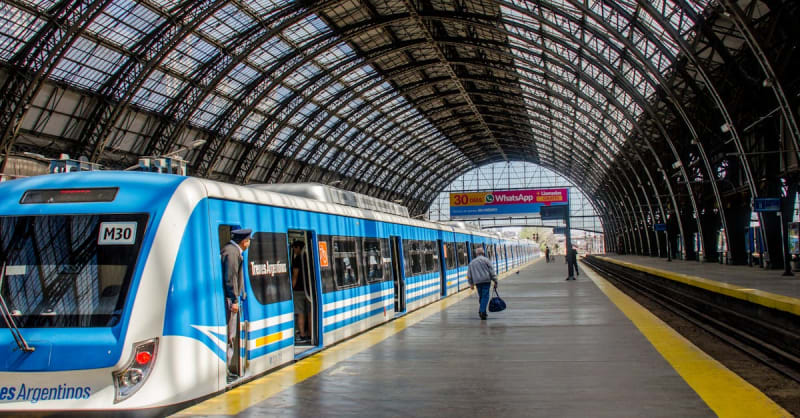 argentina
 Buenos Aires
The Paris of South America — tango, steak, Malbec, and a fierce cultural pride on every corner.
Explore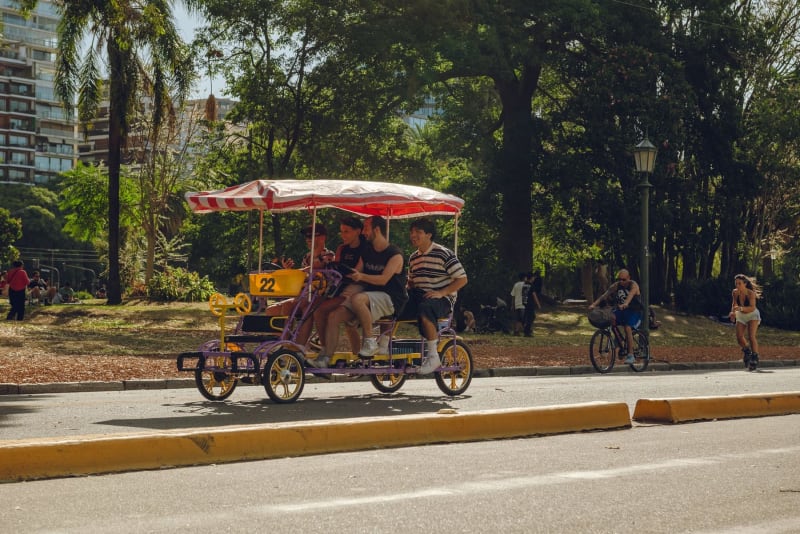 argentina
 Buenos Aires Palermo
Palermo's leafy streets buzz with tango bars, specialty coffee, and the sidewalk energy of Latin America's Paris.
Explore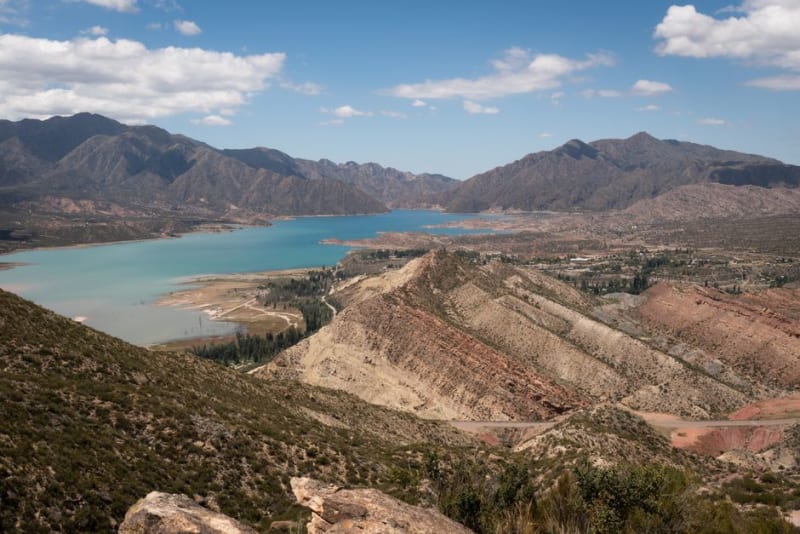 argentina
 Cachi
A whitewashed colonial adobe town in the Calchaquí Valley, reached by one of the most scenic mountain roads in Salta.
Explore