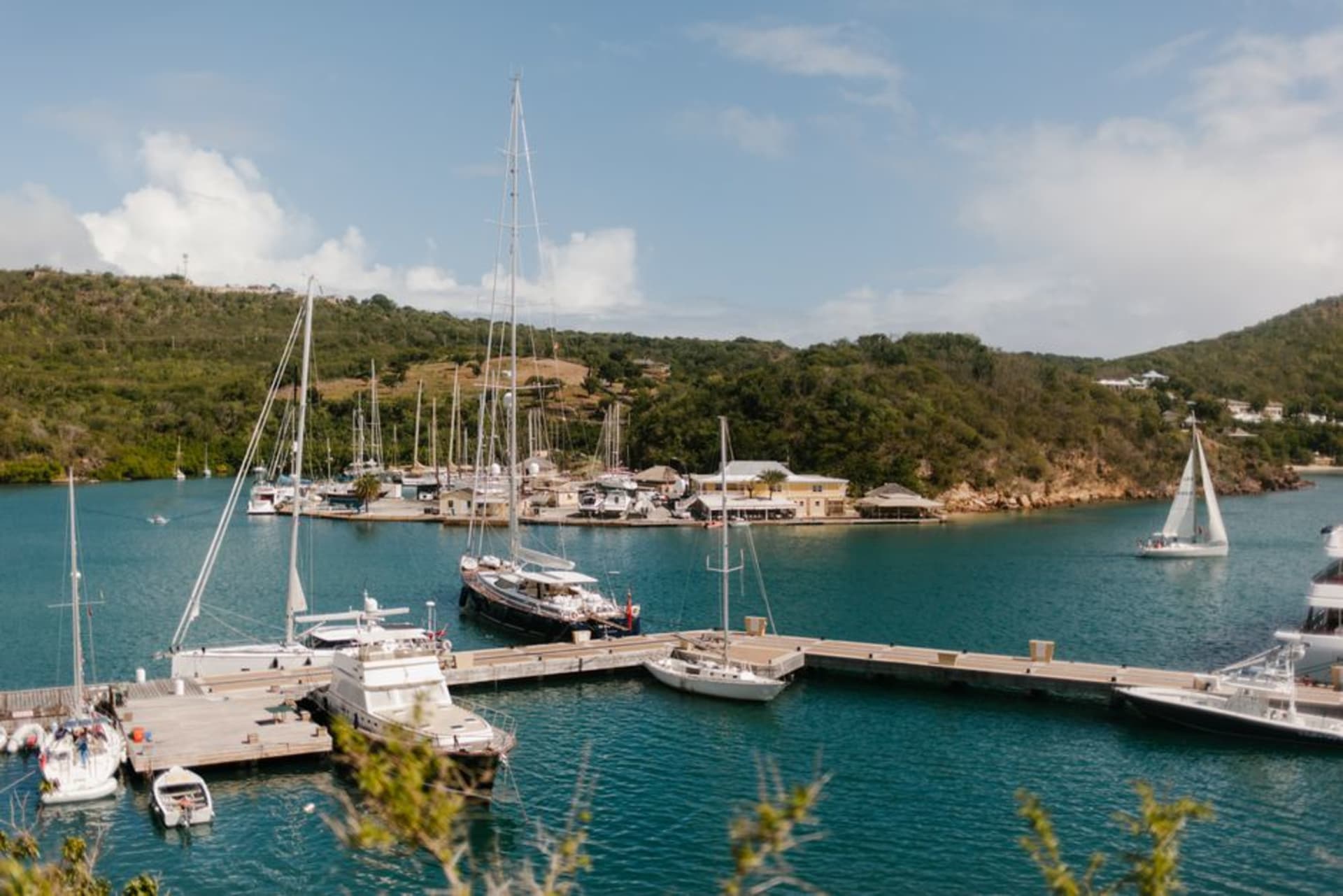
A working Georgian naval dockyard on English Harbour where restored stone warehouses now shelter superyachts instead of frigates.
Lia and I walked into English Harbour under a flat, hot midday light, and the first thing that struck me wasn’t the yachts — it was the stone. Real, thick, eighteenth-century stone, the kind you expect in a European port city, not tucked into a Caribbean cove. Nelson’s Dockyard has been doing this since the 1740s, and it never really stopped: it’s the only Georgian-era Royal Navy dockyard on Earth that’s still a working marina today. We’d read that Horatio Nelson himself was stationed here in the 1780s, commanding the Leeward Islands Station, and that he apparently despised every minute of it — the heat, the isolation, the local merchants he was sent to police. Standing under the same timber-framed boat house he would have known, sweating through my shirt within ten minutes, I understood the complaint completely.
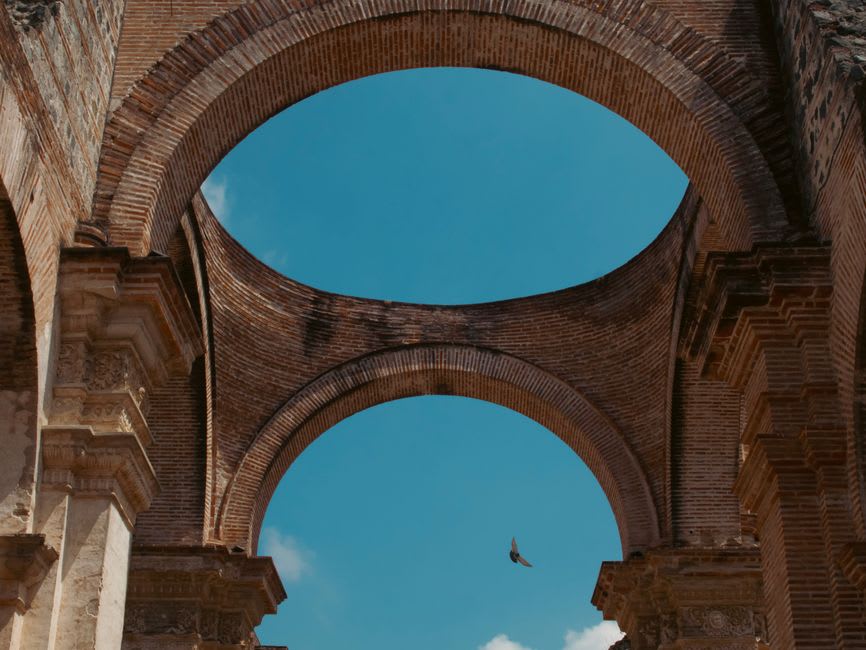
What got me was the layering of time. The dockyard fell quiet after 1889, abandoned for decades, and it wasn’t until the 1950s that restoration began bringing the old capstan house, the copper and lumber store, and the officers’ quarters back to something like their original shape. Now those same stone shells hold a museum, a couple of small hotels, and a scatter of shops selling rum and sailing gear, and none of it feels like a theme park — it feels inhabited, which is rare for a historic site this old. We had a rum punch at a bar built into what used to be a naval storehouse, watching a crew hose down the deck of a sailboat that looked older than the country I grew up in, and Lia pointed out that this was probably the closest either of us would ever get to time-traveling without leaving our seats.
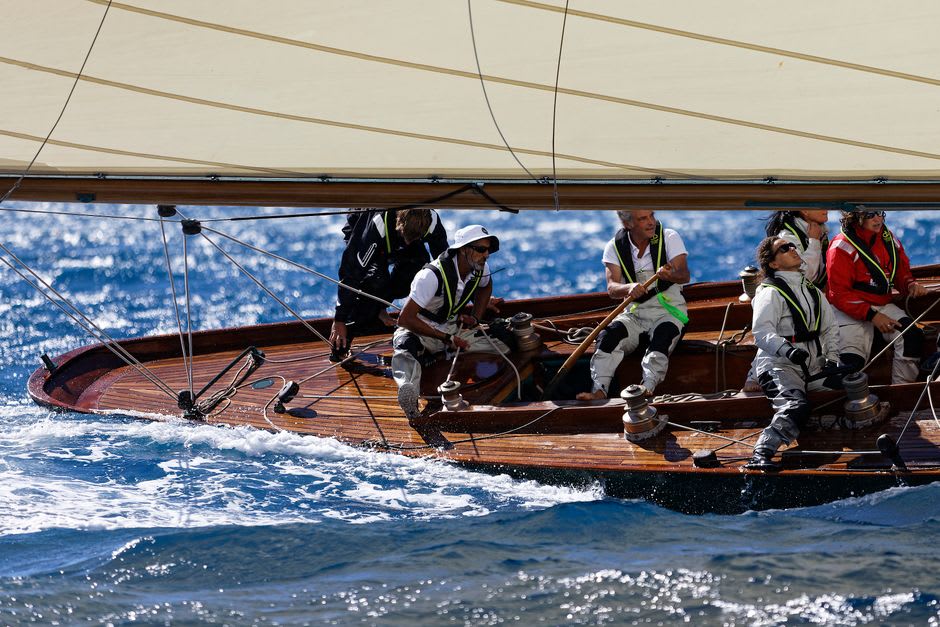
It became Antigua and Barbuda’s first UNESCO World Heritage Site in 2016, listed for the dockyard and its related archaeological sites, and honestly the designation makes total sense once you’ve walked the whole quay. This isn’t a ruin propped up for photos — it’s a piece of infrastructure that has simply kept doing its job, harbor, repairs, and all, for close to three hundred years. We climbed up to Shirley Heights afterward for the view down over the anchorage, the masts lined up like a forest below us, and I remember thinking that Nelson would probably still hate the heat, but he might have grudgingly admired what the place turned into.
When to go: aim for December through April, the dry season, when the harbor is at its liveliest — Antigua Sailing Week lands in this window too, so the dockyard fills with racing yachts and the whole waterfront feels like one long celebration.
Keep exploring
More from Antigua and Barbuda
 antigua-and-barbuda
 Shirley Heights
A hilltop fortification above English Harbour where rum punch, steel pan, and one of the Caribbean's best sunset views share the same ridgeline.
Explore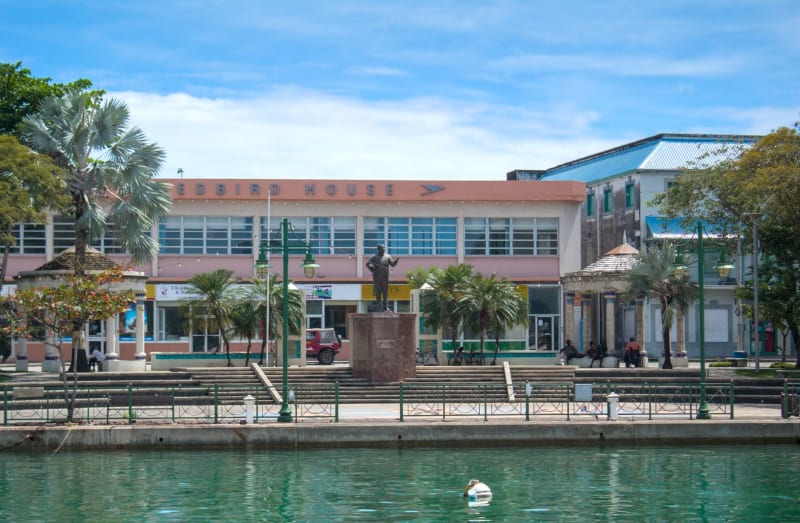 antigua-and-barbuda
 St. John's
Antigua's capital hums with Creole market life and painted colonial facades that the resort buses always drive past without stopping.
Explore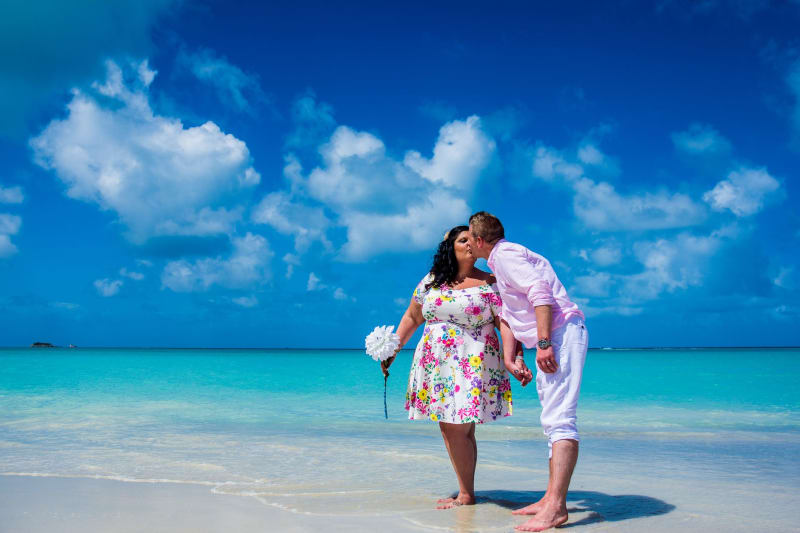 antigua-and-barbuda
 Barbuda
A flat, near-empty island running on its own quiet frequency — pink sand, frigate birds, and an unhurried pace that Antigua has mostly forgotten.
Explore antigua-and-barbuda
 Betty's Hope
A 17th-century sugar plantation in Antigua's interior where twin windmills stand in a field of cane and the island's uncomfortable history asks to be read.
Explore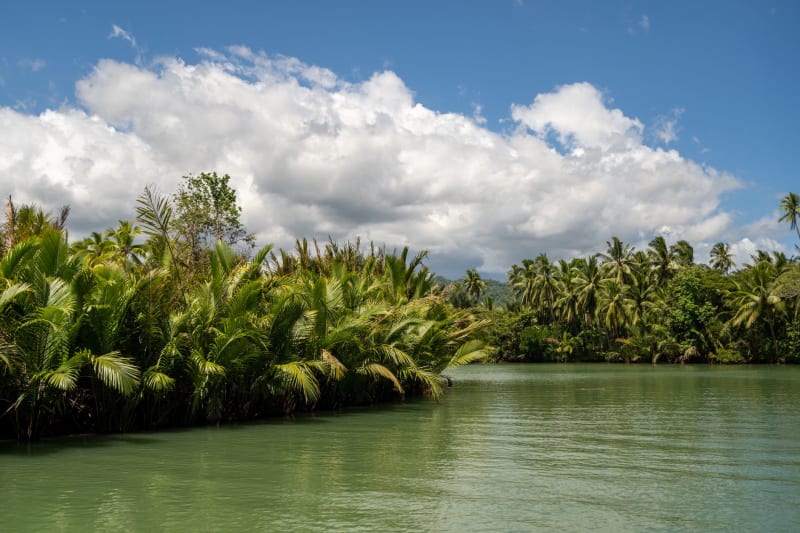 antigua-and-barbuda
 Codrington Lagoon
A vast mangrove lagoon on Barbuda sheltering the Western Hemisphere's largest frigate bird colony — nature so concentrated it becomes theatrical.
Explore antigua-and-barbuda
 Devil's Bridge
A natural limestone arch on Antigua's wild Atlantic coast at Indian Town Point, carved by centuries of surf that still explodes through blowholes in the rock with theatrical violence.
Explore