Calgary
"Calgary is where the mountains stop and the beef starts, and both transitions are more abrupt than you expect."
I arrived in Calgary from Banff, which meant I drove east for ninety minutes watching the Rockies disappear in the rearview mirror while the land ahead flattened into the kind of horizon that seems to keep receding. The mountains don’t fade gradually — they drop behind a last foothill and then they’re simply gone, replaced by sky in every direction and grain elevators catching the afternoon sun twenty kilometres away. Calgary sits precisely at that threshold, a city that was built on cattle and oil and a particular brand of western practicality that you notice in the directness of conversations and the functionality of how things are arranged.
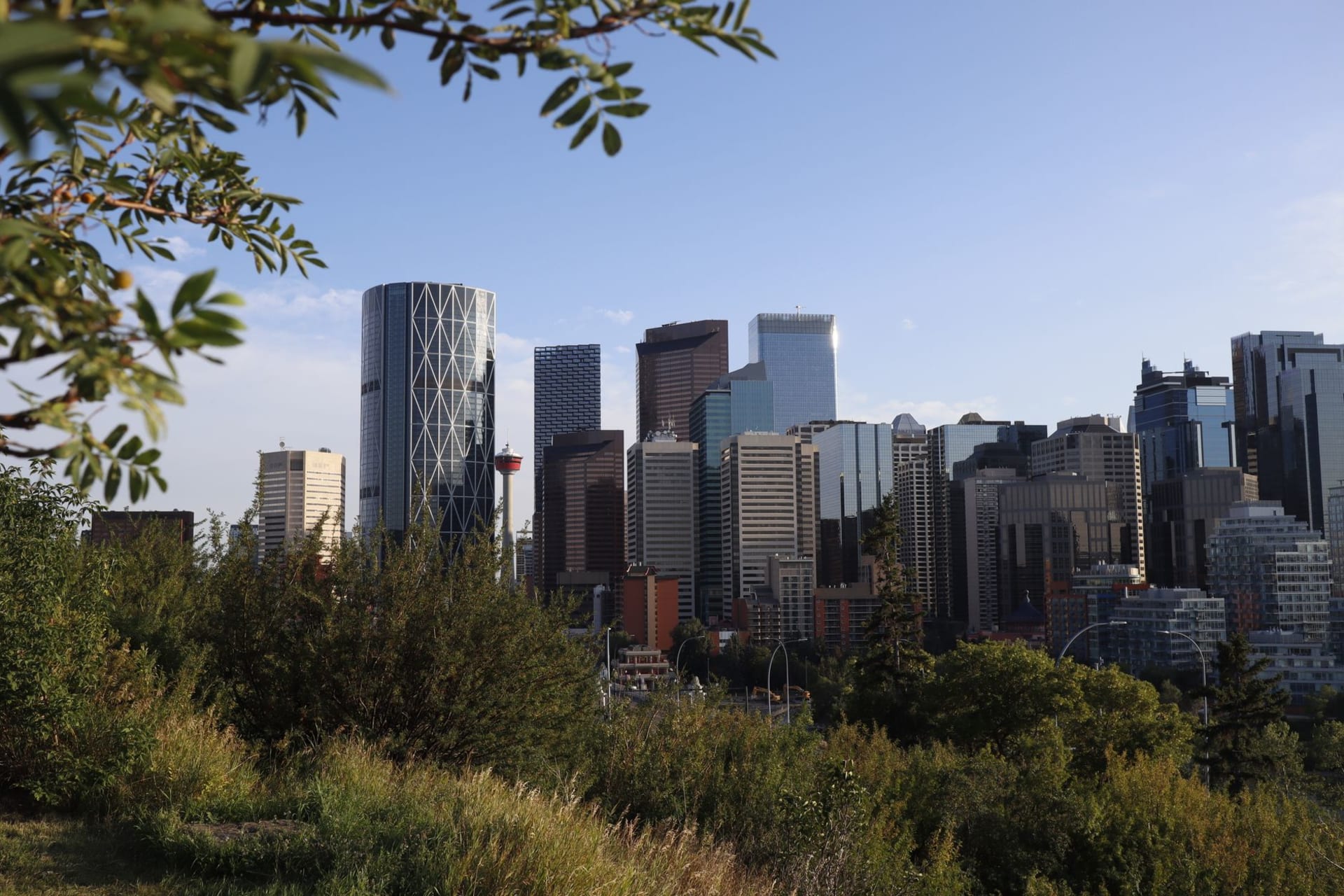
The downtown core is small and modern and Texan in its confidence — glass towers, wide streets, an efficient +15 walkway system connecting buildings above street level that Calgarians use all winter to avoid the cold. I walked it in September when the temperatures were still reasonable and felt the particular mid-sized-city pleasure of getting your bearings quickly, of understanding within a few hours how the grid sits and where things are. The Bow River cuts through on the northern edge and the path system along its banks is excellent — flat, wide, popular with cyclists and runners and people walking dogs in that serious prairie way.

The food is the real reason to pay attention to Calgary, specifically the beef. Alberta raises cattle on grain and grass in a way that has produced a regional product of genuine distinction, and the best Calgary steakhouses treat this with the seriousness the ingredient deserves. The strip loin I ate at a place in the Beltline district — dry-aged forty days, simply grilled, served with bone marrow butter and nothing more elaborate than good salt — was the best steak I’ve eaten in North America, and I’ve eaten a lot of steaks in a lot of places with strong steak opinions. It tasted of something specific, of a particular terroir of grass and cold and high altitude that I couldn’t have articulated before but recognized immediately once I tasted it.
The Calgary Stampede runs for ten days every July and transforms the city in ways that are either thrilling or exhausting depending on your tolerance for rodeo, pancake breakfasts, and collective costuming. The city’s population of lawyers and engineers puts on Stetsons and pearl-snap shirts for the duration with a commitment that is self-aware but no less earnest. I’ve been twice and found it genuinely strange and compelling — the chuckwagon racing is legitimately dramatic, the midway runs all night, and the city takes a particular pleasure in its own annual ritual that feels rooted rather than performed.

The Kensington neighbourhood north of the river and the Inglewood strip east of downtown are both worth an afternoon — coffee shops and bookstores and the kind of slow neighbourhood retail that gives a city texture. The Glenbow Museum, which recently reopened after a major renovation, has a serious Indigenous history collection and a strong western Canada narrative that puts the cattle and oil context into something more complete. After a week in the mountains, spending a day with Alberta history rather than Alberta scenery felt like the right calibration.
When to go: May through October for agreeable weather and full city function. July for the Stampede if you want the full experience — book accommodation months in advance. September and October are ideal: warm days, cold nights, the Rockies visible from downtown on clear days, and none of the summer crowds that can make the restaurant wait times genuinely punishing.