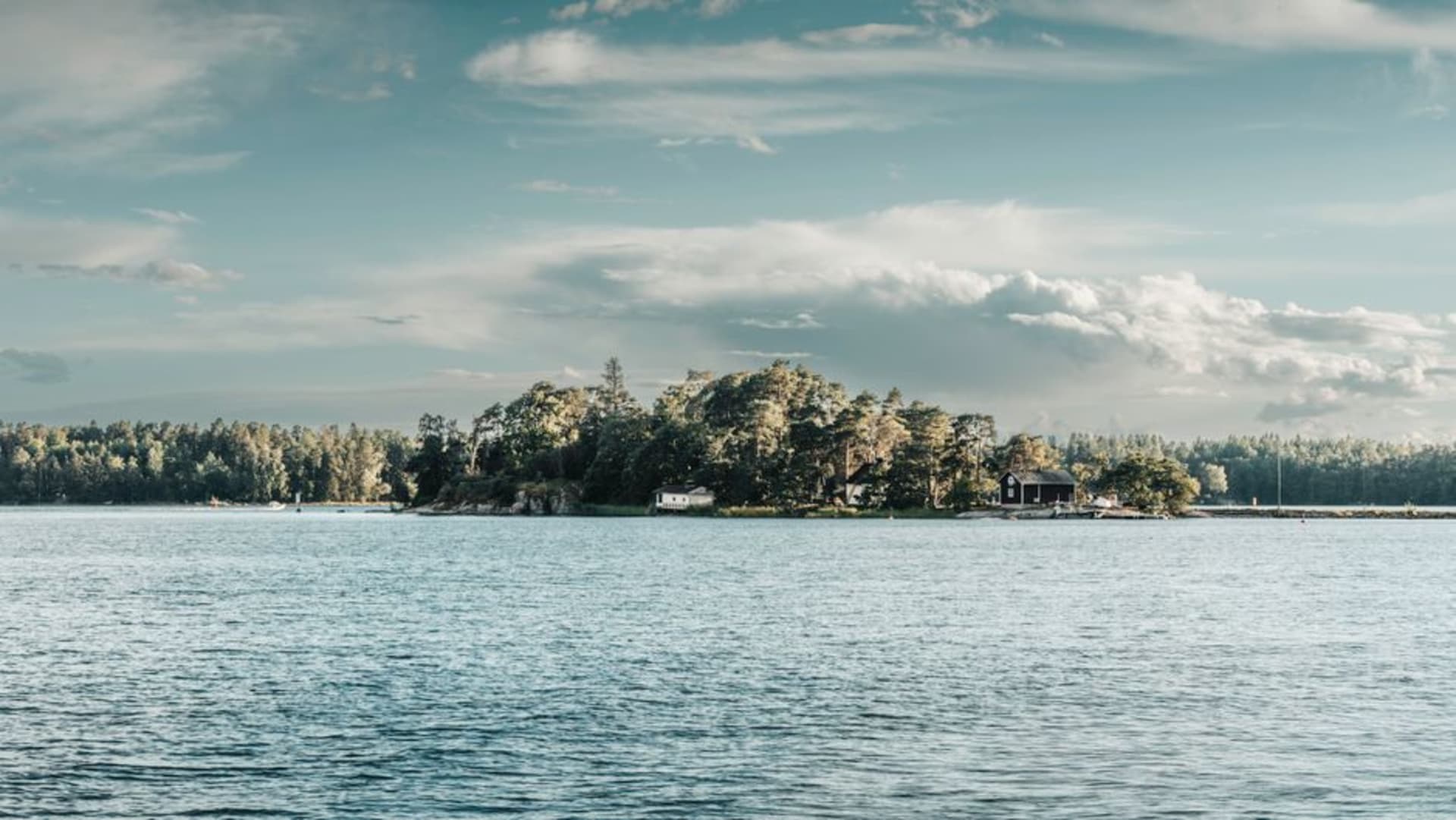
Kobba Klintar
"Twenty minutes from the capital by boat, and it feels like a different century entirely."
A tiny skerry just off Mariehamn's harbor where a nineteenth-century pilot and customs station survives almost untouched, reachable only by a short boat hop across open water.
I almost missed Kobba Klintar entirely, which would have been a genuine loss, because it’s the kind of place that doesn’t advertise itself from Mariehamn’s harborfront — a low, bare cluster of granite skerries visible on the horizon if you know to look for it, connected to the town by nothing more than a small passenger boat that runs a handful of times a day in summer. A woman at the tourist office mentioned it almost as an afterthought while I was asking about something else entirely, and I’m glad she did.
The island itself is barely more than exposed rock, but it held, for over a century, one of the most important pilot and customs stations in the archipelago — ships approaching Mariehamn from the open sea were required to stop here, take on a local pilot who knew the surrounding shoals, and clear customs before continuing into port. The station operated from the 1860s until well into the twentieth century, and the buildings that remain — a lighthouse, the old pilots’ cottages, a customs house — have been preserved as a small open-air museum, maintained with obvious care by a handful of volunteers rather than any large heritage body.
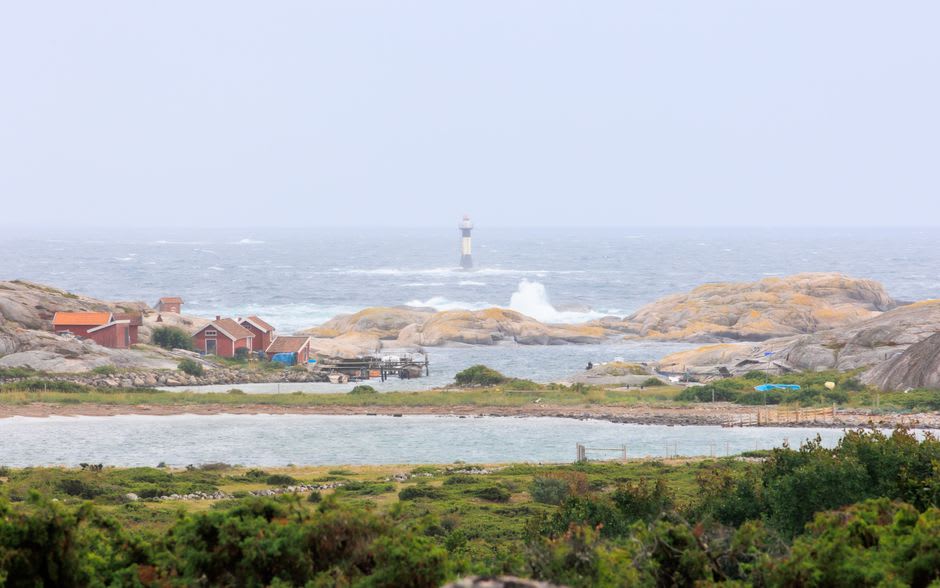
I spent most of an afternoon there without much company beyond a French family and a pair of Finnish retirees, wandering between the buildings and climbing the low lighthouse tower for a view back toward Mariehamn’s harbor and, in the other direction, out toward the open Baltic that the pilots here spent their careers reading for weather and hazard. There’s a small café run in one of the old buildings during the summer months, serving coffee and a simple cake, and I sat outside it for a long time simply watching the ferries and sailboats that still pass close to the skerry on their way in and out of the capital’s harbor, following more or less the same channel the old pilots would have worked.
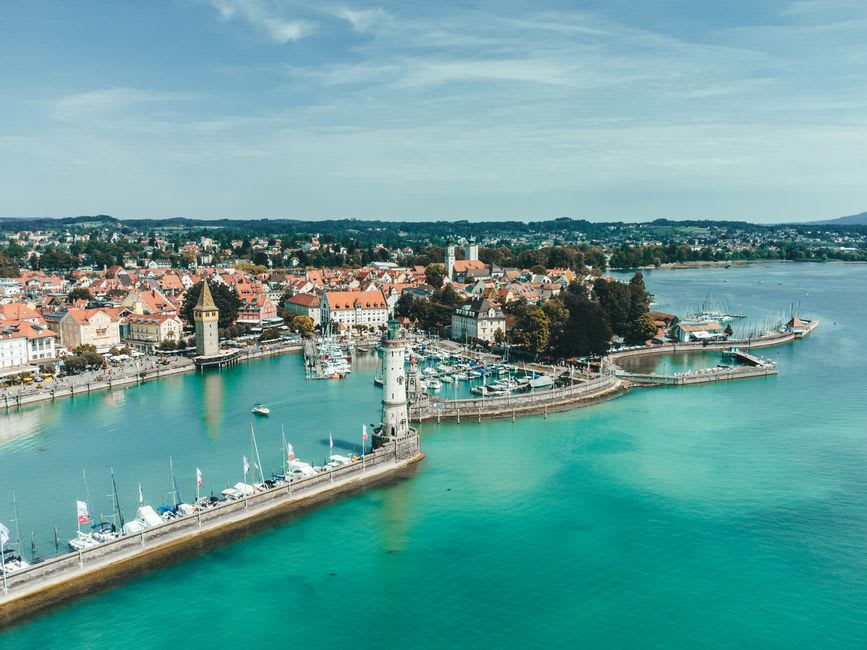
It struck me, standing there, how strange it is that a functioning maritime checkpoint from the age of sail sits twenty minutes from a modern capital’s harbor and yet receives a fraction of the visitors that Mariehamn’s own museum ship gets each day. Proximity, it turns out, is not the same thing as attention.
When to go: June through August, when the passenger boat from Mariehamn’s Västra hamnen runs a regular summer schedule and the museum buildings and café are open. Check departure times at the harbor the same morning — the schedule shifts with demand.
Keep exploring
More from Åland Archipelago
 aland-archipelago
 Kökar
The most remote inhabited island cluster in Åland, where the trees give up and the Baltic turns dark blue and you understand what alone really means.
Explore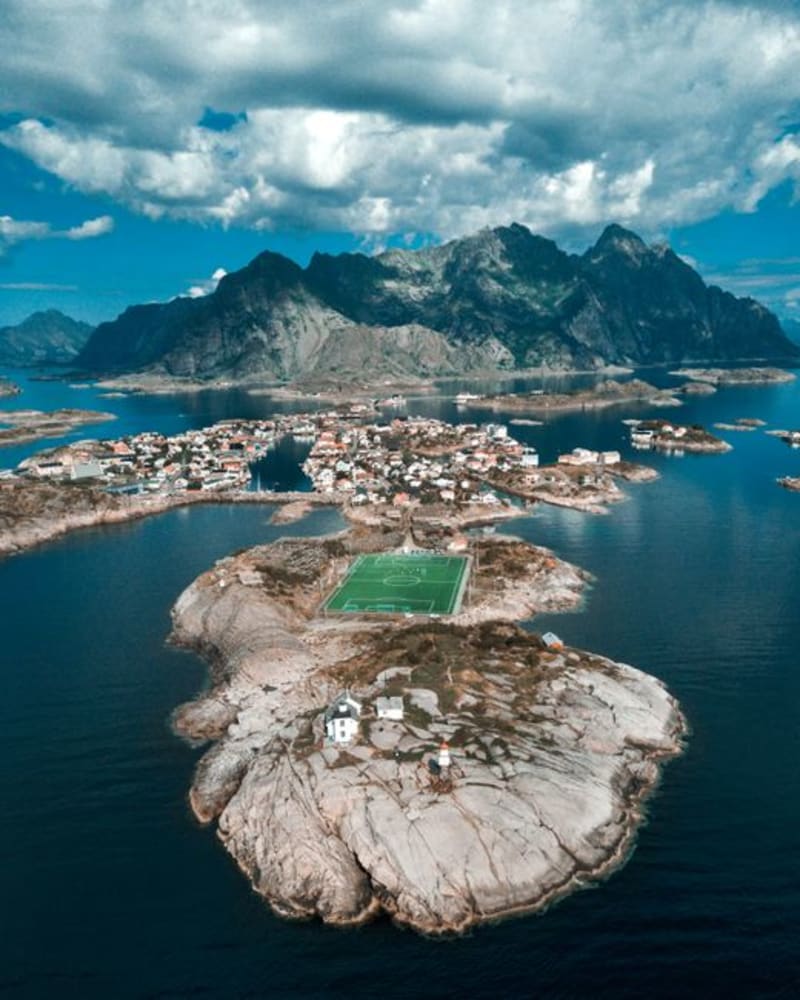 aland-archipelago
 Kumlinge
A scattering of granite islands deep in the eastern archipelago, reached by a long ferry chain and rewarded with a medieval church full of unrestored frescoes.
Explore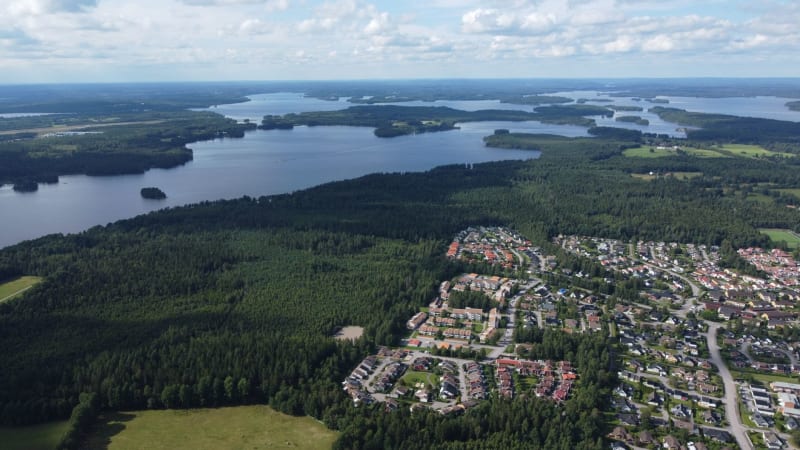 aland-archipelago
 Lemland
A quiet southern municipality of traditional farms and a medieval church, where the cycling is flat and perfect and the world seems to have agreed to slow down.
Explore aland-archipelago
 Lumparland
Åland's smallest municipality, a slip of farmland and forest wrapped around the busy ferry harbor of Långnäs, where the outer archipelago route quietly begins.
Explore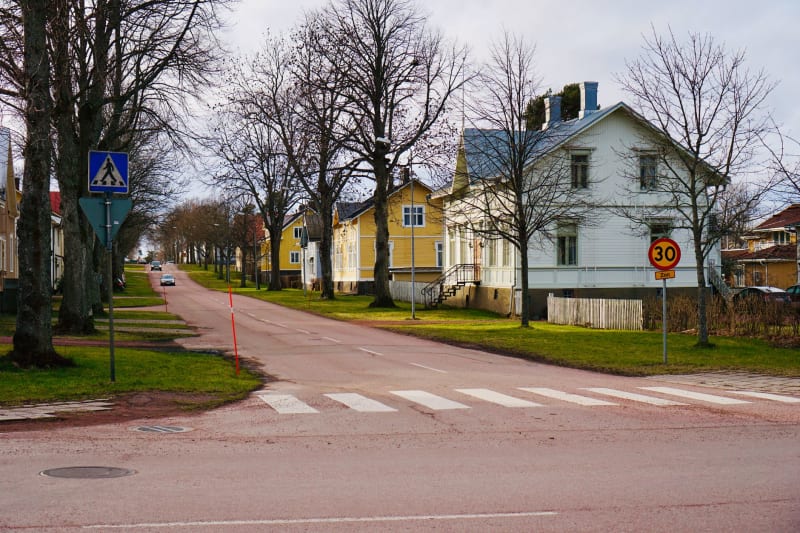 aland-archipelago
 Mariehamn
A wooden-town capital that smells of pine resin and salt air, where every street dead-ends at a harbor.
Explore aland-archipelago
 Ramsholmen
A protected oak and hazel woodland on the edge of Jomala, minutes from Mariehamn, where a short waymarked trail preserves a fragment of the forest Åland looked like before the pines took over.
Explore